2025 Guide: How to Choose the Best Nylon Weightlifting Belt for Your Needs
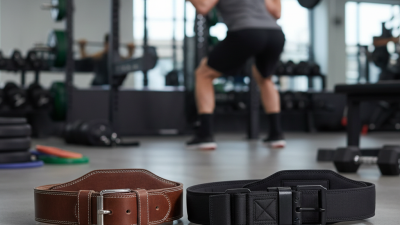
When it comes to optimizing your weightlifting performance, one crucial piece of equipment that often goes overlooked is the Nylon Weightlifting Belt. As industry expert and renowned strength coach Dr. Emily Hartman states, “A high-quality Nylon Weightlifting Belt not only supports your core but also enhances your overall lifting technique.” In 2025, choosing the right belt tailored to your specific needs can make a significant difference in your training regimen.
With various options available, selecting the best Nylon Weightlifting Belt requires careful consideration of factors such as fit, comfort, and durability. Understanding your individual lifting style and goals can help guide your choice. As Dr. Hartman emphasizes, “Every lifter is unique, and so should be their gear.” The right belt can provide the necessary support to help you achieve new personal records while minimizing the risk of injury.
In this guide, we will explore the essential aspects of Nylon Weightlifting Belts, including what to look for in terms of materials and design. Whether you’re a seasoned athlete or just starting your fitness journey, equipping yourself with the right knowledge will empower you to make an informed decision on the belt that best meets your needs.
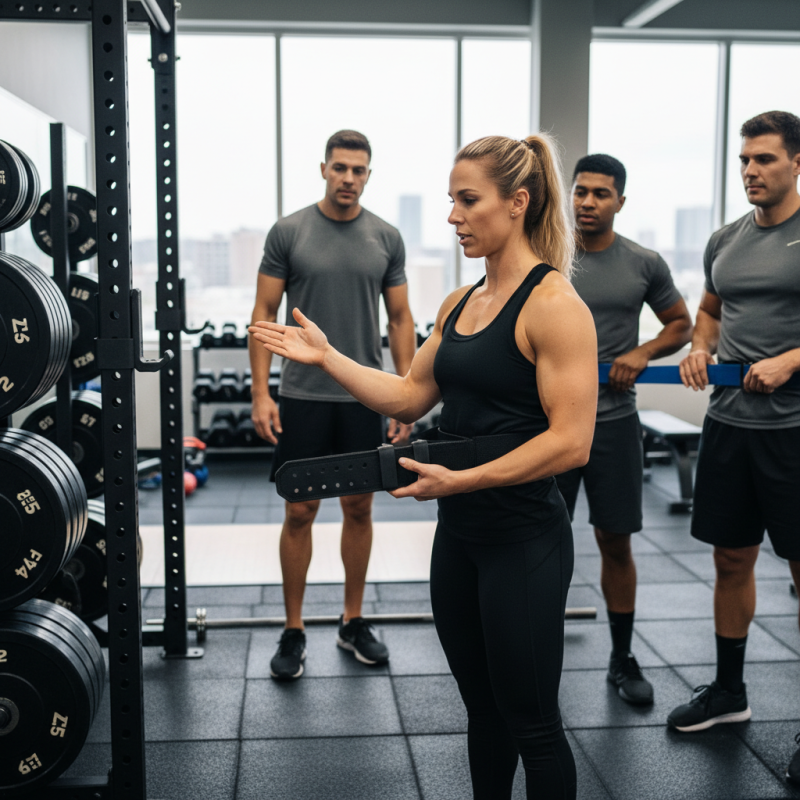
Understanding the Importance of a Weightlifting Belt in Your Training
A weightlifting belt is an essential piece of equipment for anyone looking to enhance their training performance, particularly in
strength training and Olympic lifting. The belt helps
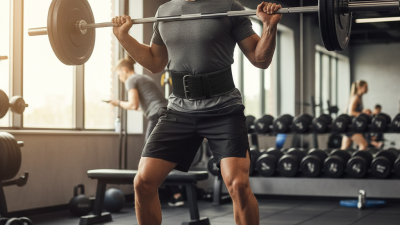
stabilize the core, reduce strain on the back, and maintain proper posture during heavy lifts. According to a report from the
National Strength and Conditioning Association (NSCA), the use of a weightlifting belt can increase
intra-abdominal pressure, which provides extra support to the spine and can lead to improved lifting technique and increased
performance by up to 15%.
When choosing a nylon weightlifting belt, it's crucial to consider its width
and thickness, as these factors can significantly impact comfort and effectiveness. A belt that is too narrow may not provide enough
support, while one that is excessively thick can restrict movement. Aim for a belt that is at least 4 inches wide and made of high-quality nylon material for
optimal durability and flexibility.
Tips: Always try on a belt before purchasing if possible. Ensure that it fits snugly but
allows for proper movement and breathing. Additionally, consider the belt's adjustability; a good nylon belt should have multiple
adjustment points to accommodate changes in body posture and core engagement during different exercises. Proper training technique
should always take precedence over lifting heavier weights, so utilize the belt as a support tool rather than a crutch.
Key Features to Look For in a Nylon Weightlifting Belt
When choosing a nylon weightlifting belt, there are several key features that can significantly impact your lifting performance and overall comfort. One of the most critical aspects to consider is the belt's width and thickness. A belt that is around 4 inches wide provides the necessary support for your core while maintaining flexibility for mobility. According to a 2021 study in the Journal of Strength and Conditioning Research, lifters who utilized belts with proper support reported improved performance during heavy lifts, indicating that structural integrity is essential for maximizing strength training benefits.
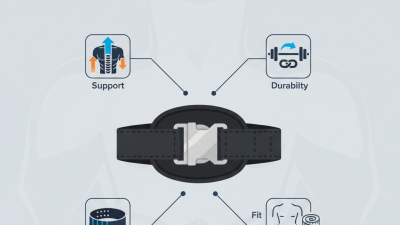
Another important feature to look for is the belt's buckle mechanism. A secure, easy-to-adjust buckle ensures that the belt stays firmly in place throughout your workout without becoming a distraction. Research from the National Strength and Conditioning Association suggests that belts with quick-release buckles allow for a more efficient transition between lifts and exercises, enhancing the overall training experience. Additionally, it is advisable to opt for belts crafted from durable, high-quality nylon, as this material not only offers strength but also breathability. A belt that can withstand the rigors of intense workouts while remaining comfortable is vital for both performance and longevity in the gym.
2025 Guide: How to Choose the Best Nylon Weightlifting Belt for Your Needs
| Feature |
Importance |
Recommended Specifications |
User Level |
| Material Quality |
High |
Heavy-duty nylon, reinforced stitching |
All Levels |
| Belt Width |
Medium |
4 inches |
Beginners to Intermediate |
| Adjustability |
High |
Velcro or buckle mechanism |
All Levels |
| Weight Capacity |
High |
Up to 700 lbs |
Intermediate to Advanced |
| Comfort |
High |
Padding on the inside |
All Levels |
| Style Options |
Medium |
Various colors and designs |
All Levels |
Sizing Your Nylon Weightlifting Belt: Finding the Perfect Fit
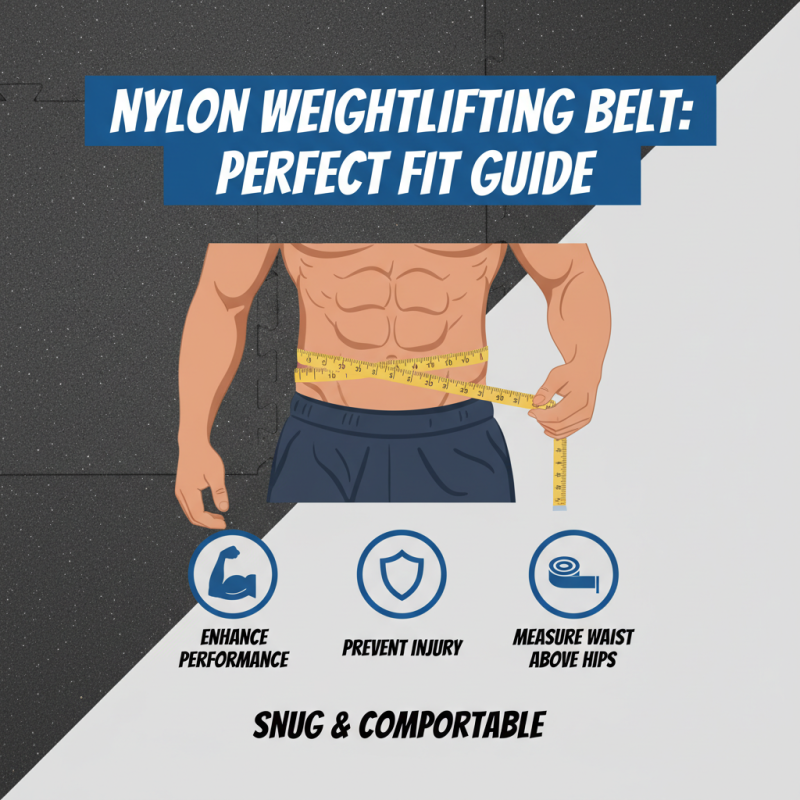
When choosing a nylon weightlifting belt, ensuring the right fit is paramount to enhance performance and prevent injury. To begin with, it's essential to measure your waist accurately. Use a soft measuring tape to find the circumference around your midsection, just above the hip bones where the belt will sit. This will give you a clear indication of your size, allowing you to select a belt that fits snugly but comfortably.
Once you have your waist measurement, consider the belt's width and thickness. A broader belt provides more support and stability during heavy lifts, while thickness contributes to durability. It's also important to remember that nylon belts come with varying levels of stiffness. A stiffer belt offers more support, whereas a softer one can provide more flexibility. When trying on the belt, it should be tight enough to provide support without restricting movement. Experimenting with different buckle types and lengths can further help in finding the perfect fit, ensuring that your new belt becomes an essential piece of your workout gear.
Comparing Different Brands: Best Nylon Weightlifting Belts for 2025
When selecting a nylon weightlifting belt, it's essential to consider the specific features that different brands offer to find the best fit for your needs. Look for belts with adjustable sizing to ensure snugness during your workouts, which aids in core stability and supports heavy lifts. Additionally, check for quality stitching and materials, as this can greatly impact the durability and functionality of the belt over time.
Tips: Always try on the belt if possible or refer to sizing charts to find the best fit. A belt that's too tight or too loose can hinder performance rather than enhance it. Also, consider the width of the belt—wider belts generally provide more support for heavy lifts, while narrower ones can offer more flexibility and comfort for dynamic movements.
While comparing brands, pay attention to user reviews and ratings. They can give insights into real-world usage and how well a belt withstands the rigors of training. Versatility is another factor; some belts are designed for multiple training disciplines, which can be a cost-effective choice if you plan to experiment with different weightlifting styles. Make sure to check the warranty offered by the brands, as it reflects their confidence in the product's quality and longevity.
Maintenance Tips for Extending the Lifespan of Your Weightlifting Belt
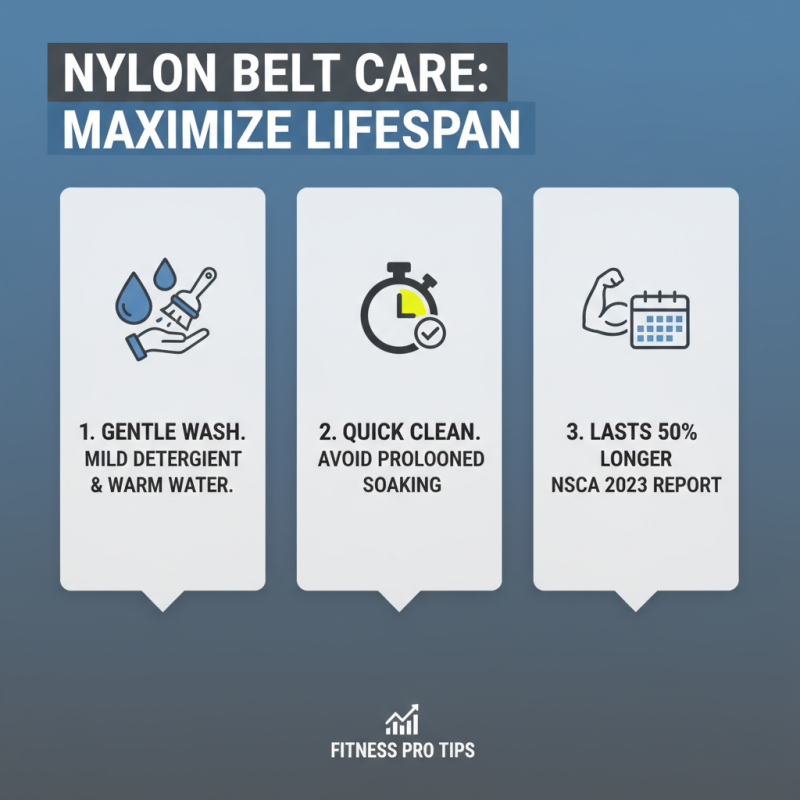
Proper maintenance of your nylon weightlifting belt is crucial for ensuring its longevity and performance. According to a 2023 report by the National Strength and Conditioning Association, well-maintained fitness equipment can last significantly longer—up to 50% more—compared to poorly cared for alternatives. To extend the lifespan of your belt, regular cleaning is essential. A gentle wash using mild detergent and warm water can help prevent the buildup of sweat and grime. Avoid submerging the belt in water for prolonged periods, as this can compromise the integrity of the nylon fibers.
In addition to regular cleaning, proper storage can also enhance the durability of your belt. After each workout, it’s advisable to hang the belt in a cool, dry place away from direct sunlight. Exposure to excessive humidity or heat can lead to deterioration of the material over time, according to a study from the International Journal of Sports Equipment Review. Additionally, routinely checking for signs of wear and tear, such as frayed edges or weakened seams, can help catch potential issues before they escalate. By implementing these maintenance practices, you not only prolong the life of your nylon weightlifting belt but also ensure it remains a reliable part of your fitness regimen.