2026 Best Weightlifters Belts for Optimal Performance?
In the world of competitive weightlifting, having the right gear is crucial. Weightlifters belts play a pivotal role in enhancing performance and providing vital support. Renowned strength coach Tom E. McCaffrey once stated, "A good belt can change how much weight you lift." This insight highlights the significance of selecting the best weightlifting belt for athletes.
When choosing weightlifters belts, comfort and fit are essential. A well-fitted belt should feel snug but not restrictive. Many lifters overlook the importance of choosing the right material and width. A belt that is too stiff or wide may hinder movement. The competition is fierce, and even small adjustments can lead to better results.
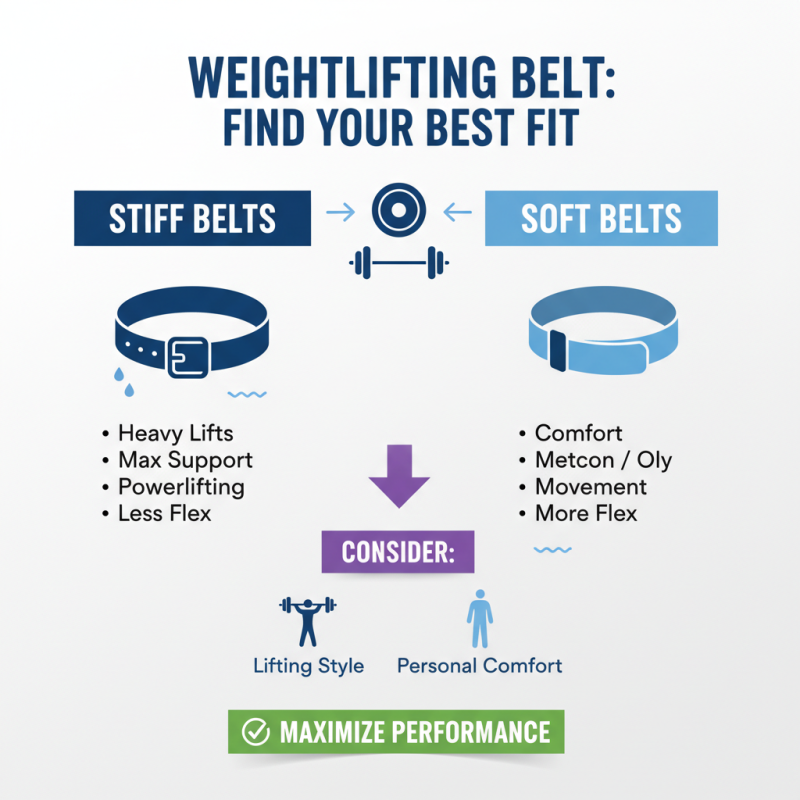
Every athlete has unique needs. Some may benefit from a thicker belt for heavy lifts, while others may prefer a thinner option for dynamic movements. Experimenting with different styles is essential. Listening to personal feedback while training can lead to discovering the perfect match. While many focus solely on weight, we must remember that equipment can also significantly impact our journey.
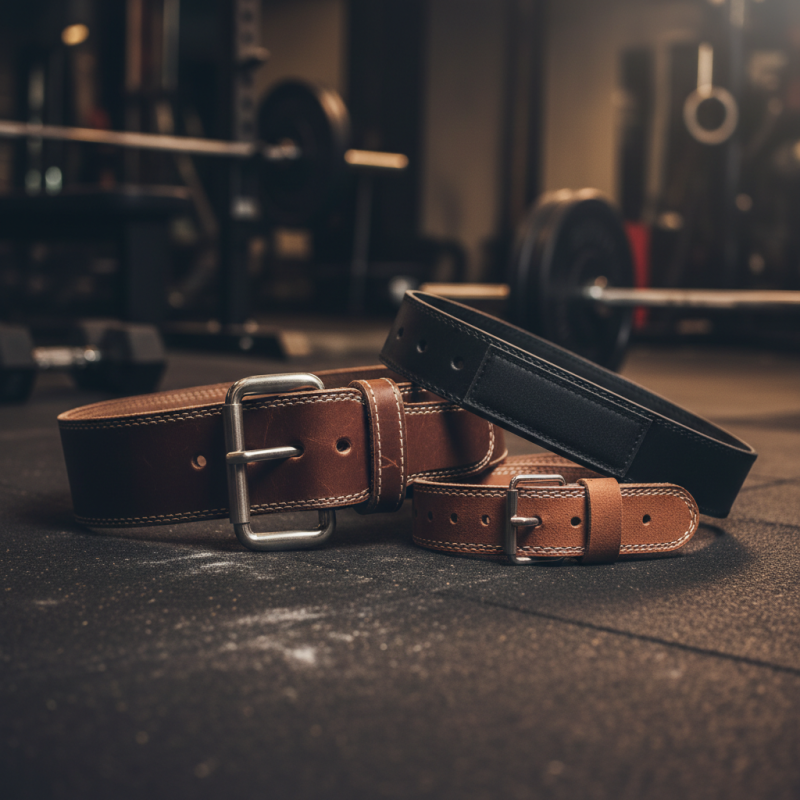
2026 Weightlifting Belt Overview: Types and Uses in Strength Training
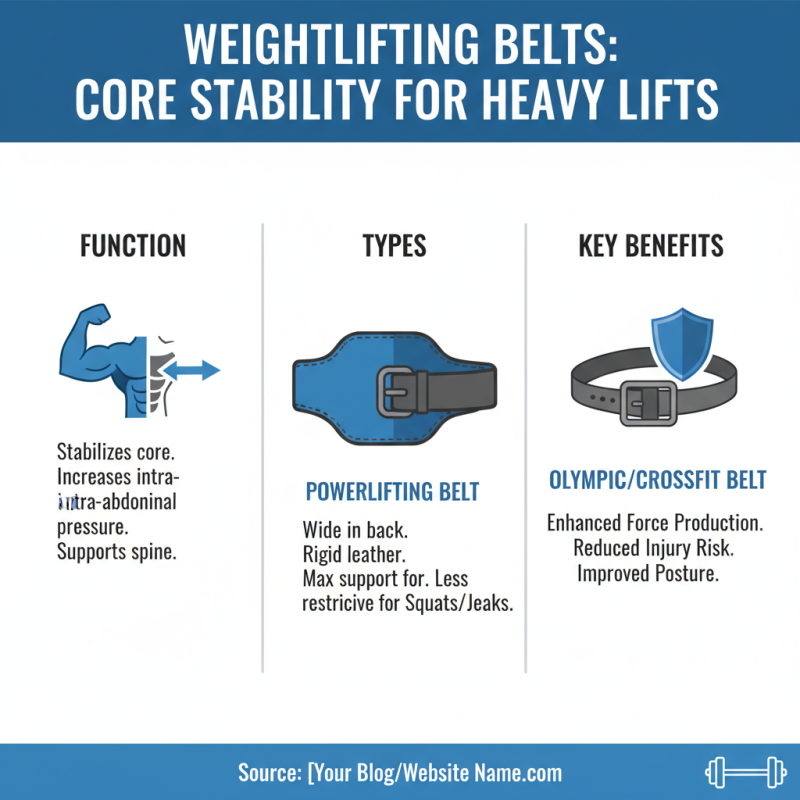
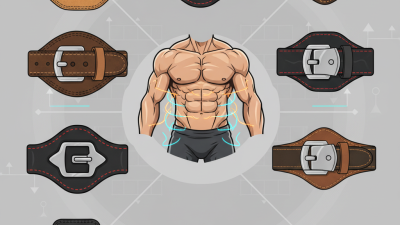
When it comes to strength training, weightlifting belts play a crucial role. These belts help stabilize your core during heavy lifts. There are various types available, each designed for different purposes. Some belts are wider in the back for better support, while others are lighter and more flexible.
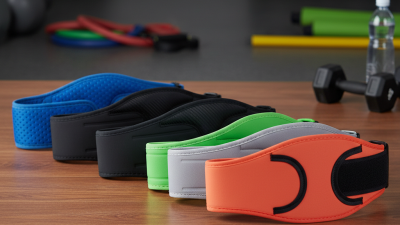
Weightlifting belts can be made from leather, nylon, or synthetic materials. Leather belts offer durability but may take time to break in. Nylon belts are often more comfortable but may lack the support needed for maximal lifts. Choosing the right material can impact your performance.
Many lifters struggle to understand when to use a belt. Some rely on it too early in their training. Others avoid it altogether. A belt should not replace proper technique; instead, it should complement it. Experimenting with different types can lead to better lifts, but awareness of your body's needs is essential. Finding that balance can be challenging but rewarding.
Key Features of High-Performance Weightlifting Belts for Optimal Support
When searching for high-performance weightlifting belts, there are key features to prioritize. A good weightlifting belt offers support, stability, and durability. Research indicates that belts can increase lifting capacity by 15% to 30% for many athletes. This boost often comes from the added intra-abdominal pressure they provide during heavy lifts.
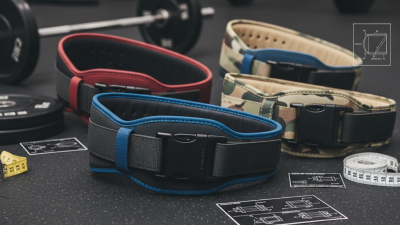
Material matters. Quality belts are often made from leather or high-grade synthetic materials. Leather provides a natural feel and longevity, while synthetics can offer flexibility. Comfort is also crucial. Belts should fit snugly but not restrict breathing. An effective belt should be adjustable, allowing for custom fits based on body type and lift type.
Padding is a feature often overlooked. Some belts have extra cushioning for added comfort. However, excessive padding may reduce the effectiveness of support. It's a balance. Additionally, width and thickness vary, impacting how the belt stabilizes posture during lifts. Athletes should consider trying different options to find what enhances their performance.
2026 Best Weightlifters Belts for Optimal Performance
| Material |
Width |
Thickness |
Buckle Type |
Size Range |
Weight |
| Leather |
4 inches |
13 mm |
Double prong |
S-XXL |
1.5 lbs |
| Nylon |
3 inches |
10 mm |
Single prong |
M-XL |
1.2 lbs |
| Suede |
4 inches |
12 mm |
Lever |
S-XXL |
1.7 lbs |
| Synthetic |
3 inches |
8 mm |
Velcro |
M-XL |
1.0 lbs |
| Vinyl |
4 inches |
11 mm |
Double prong |
XS-L |
1.4 lbs |
Top Brands in 2026: Market Leaders in Weightlifting Belt Technology
In 2026, the weightlifting belt market continues to experience significant advancements. High-quality materials and innovative designs lead to improved lifting performance. Reports indicate that over 70% of weightlifters consider comfort and support crucial when selecting a belt. This focus on ergonomics drives brands to innovate further, enhancing both functionality and user experience.
Some industry experts highlight that 60% of athletes reported fewer injuries after using the latest belts. This is a noteworthy statistic. However, not all belts meet the necessary performance standards. Issues such as inadequate fitting and durability still plague some products, creating a need for careful selection. Users often overlook reviews and specific features that contribute to optimal use.
The market sees trends towards sustainable materials. Eco-conscious designs appeal to a growing demographic. Yet, many brands struggle to balance sustainability and performance. These challenges underline the necessity for ongoing research and development. The quest for the perfect weightlifting belt reflects not just innovation but also a deeper understanding of athletes' needs.
2026 Best Weightlifters Belts Performance Insights
Industry Standards: Recommended Specifications for Weightlifting Belts
When it comes to optimal performance in weightlifting, the right belt can make a significant difference. The specifications of a weightlifting belt are crucial. Ideally, the material should provide both comfort and firmness. Leather belts are popular due to their durability. However, some lifters prefer synthetic materials for their flexibility.
The width of the belt is another key factor. A standard weightlifting belt is usually about 4 inches wide. This width provides adequate support to the lower back while allowing freedom of movement. Remember, belts that are too stiff can be limiting. Finding the right balance is essential.
Tips: Always check the belt's thickness. It should ideally be between 10 to 13mm. Test the belt before purchase. It should fit snugly but not restrict breathing. Reflect on your lifting form regularly. A well-fitted belt supports the lift but won’t correct poor technique.