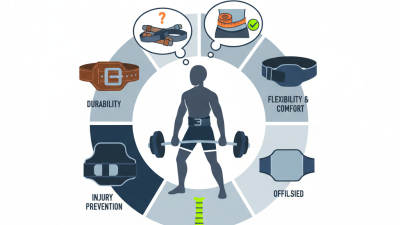
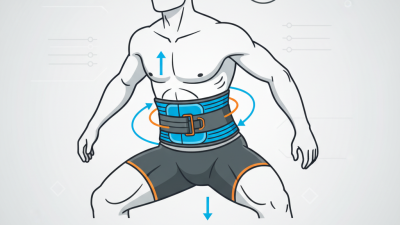
In the world of serious weightlifting, the right gear can make all the difference. A well-designed Gym Weightlifting Belt is essential for lifters aiming to enhance performance and prevent injury. According to renowned fitness expert Dr. Lisa Thompson, “A quality belt can help you lift more safely and effectively.”
Weightlifters often overlook the importance of proper equipment. Finding the best Gym Weightlifting Belt requires understanding its features. Many lifters simply grab whatever is available. This can be a costly mistake. A good belt should fit snugly without restricting movement.
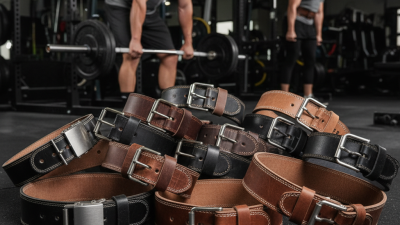
Material plays a vital role as well. Genuine leather belts provide durability and support. For beginners, a softer material might be more comfortable at first. However, one must consider transitioning to sturdier options for serious lifting. Choosing the right belt often involves trial and error. Reflecting on individual needs is crucial for optimal performance.
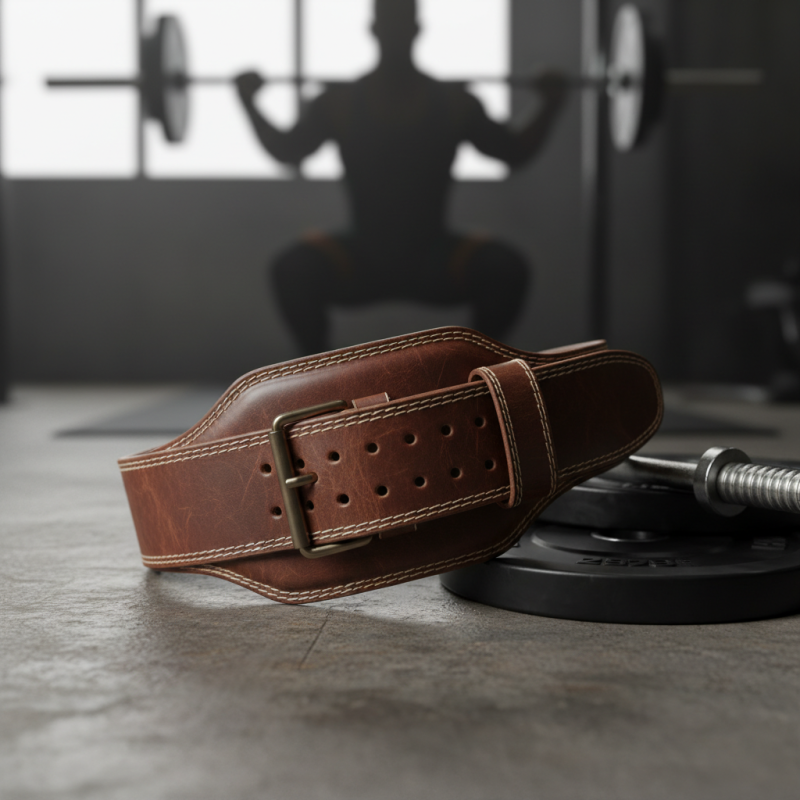
When choosing a weightlifting belt, serious lifters should consider several key features. A good belt offers support without being overly restrictive. Look for a width that provides stability throughout your core. A belt that is too narrow might not give you the support needed during heavy lifts.
Material is another important factor. A durable leather belt can support your lifts for years. However, it can be rigid and may take time to break in. Synthetic options are often lighter and more comfortable, but make sure they offer adequate support as well.
Tip: Always try on a belt before buying. Make sure it fits snugly but allows you to breathe comfortably. This can save you from making a costly mistake.
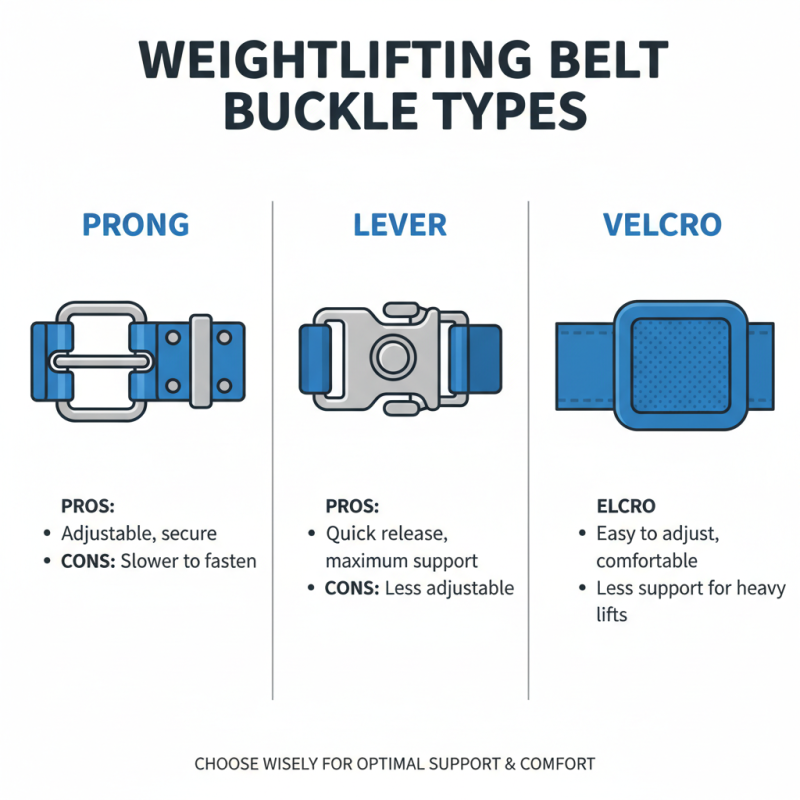
Another aspect to think about is the buckle type. A lever belt is quicker to adjust but can be bulky. A traditional prong buckle allows for more adjustments but can be slower to use. It's essential to reflect on what feels best for your lifting style. Finding the right balance may take time and experimentation.
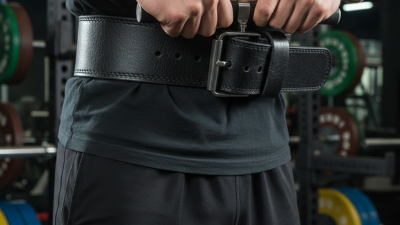
When choosing a weightlifting belt, material composition plays a crucial role. Common materials include leather, synthetic fabrics, and nylon.
Leather offers durability and support but can be stiff. Synthetic fabrics provide flexibility and comfort. However, their longevity might be questionable. Some lifters prefer nylon due to its lightweight nature. A balance between strength and comfort is essential.
According to a recent survey by the American Council on Exercise, 45% of lifters find that improper belt materials contribute to discomfort. A well-constructed belt should facilitate movement without causing restrictions. Ideally, it should hug the waist snugly yet allow for breathing. Many lifters report dissatisfaction with belts that dig into their skin.
Texture also affects grip and overall performance. A smooth texture can slip, while a textured finish enhances grip during heavy lifts. Reports show that 70% of serious lifters prefer belts with a textured surface. It’s worth exploring different options to find what works best. Listen to your body, and don't compromise on your gear. Experimentation may lead to the perfect choice for your lifting journey.
When selecting the right weightlifting belt, width and thickness play crucial roles. A belt that is too skinny may lack support during heavy lifts. On the other hand, an overly thick belt can restrict movement, which can hinder performance. Aim for a balance. Many lifters prefer a width of at least 4 inches. This provides adequate coverage and stability for the lower back during intense exercises.
Thickness is another essential component. Standard belts often range from 10mm to 13mm in thickness. Thicker belts offer increased support but may take longer to break in. A thinner belt might be more comfortable at first but may not provide the same level of security. It's important to try different options to see what feels right. Remember that comfort today may not guarantee support during intense training tomorrow.
Tips: Always test the belt while lifting. Move around, bend, and flex. It should feel snug but not painfully tight. Adjustability is key; a belt that fits well enhances performance. Pay attention to how your body responds. If you feel strain or discomfort, reevaluate your choice. The right fit should feel like a supportive hug. Understand that the perfect belt might vary as your strength progresses.
| Feature | Description | Standard Dimensions | Recommended Use |
|---|---|---|---|
| Belt Width | A wider belt provides extra support for heavy lifts. | 4 inches (10 cm) | Powerlifting, Olympic lifting |
| Belt Thickness | Thickness affects the comfort and rigidity of the belt. | 10 mm to 13 mm | Serious lifting, competition |
| Material | High-quality leather or nylon for durability and support. | Leather/Nylon | Heavy lifting, durability |
| Buckle Type | Different buckle types provide various tightening mechanisms. | Double prong, lever | Quick adjustments |
| Size Adjustability | Ensure a snug fit for maximum support. | Adjustable sizes | For all body types |
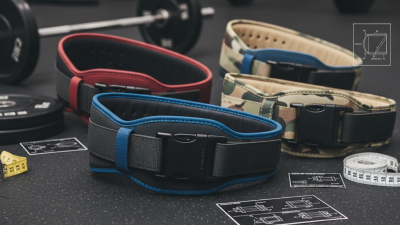
When choosing a weightlifting belt, the buckle type is crucial. The fastening system impacts support and comfort during lifts. Common buckle styles include prong, lever, and Velcro. Each has unique benefits and drawbacks, which you should consider carefully.
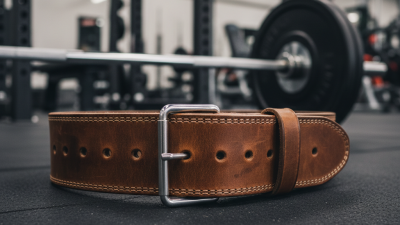
Prong buckles tend to be the most traditional. They offer adjustability, allowing you to find the perfect fit. However, they can be time-consuming to fasten and unfasten under pressure. Lever buckles, on the other hand, are quick to secure and release. They provide a secure fit without constantly readjusting. But, they may limit some lifters with their sizing. Velcro is popular for casual training sessions. It’s easy and flexible but lacks the security needed for heavy lifts.
**Tip:** Test each buckle style before committing. Comfort and ease of use are vital during intense workouts.
A closer look at designs can also help. Wider belts distribute pressure evenly. This can help protect your lower back during heavy lifts. On the other hand, thinner belts allow for greater mobility but may sacrifice support. Reflect on what you truly need for your training.
**Tip:** Evaluate your lifting style. Do you prefer heavy squats or dynamic movements? Your choice of belt should match your goals. Explore options to ensure optimal performance in the gym.
When selecting a weightlifting belt, sizing and adjustability are crucial. A proper fit can enhance performance and prevent injuries. Choose a belt that allows for easy adjustment. The ability to size effectively can make or break your lifting experience.
Some belts come with multiple sizing options. This feature ensures that you can fine-tune the fit. A snug but comfortable belt supports your core during heavy lifts. Don't underestimate the importance of trying on different sizes. Your body is unique, and the right fit will vary from person to person.
Tips for finding the right fit: Measure your waist accurately. If your weight fluctuates, opt for a belt that accommodates these changes. Look for belts with adjustable features like multiple loops or Velcro straps. Remember, a belt that's too tight can hinder movement. One that's too loose can fail to provide the necessary support. Finding balance is key.