2026 Top Ladies Weightlifting Belt Options for Strength Training Enthusiasts?
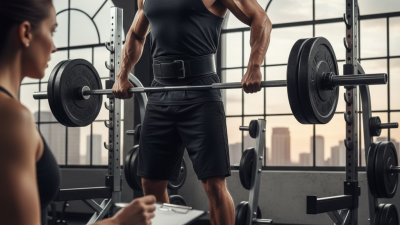
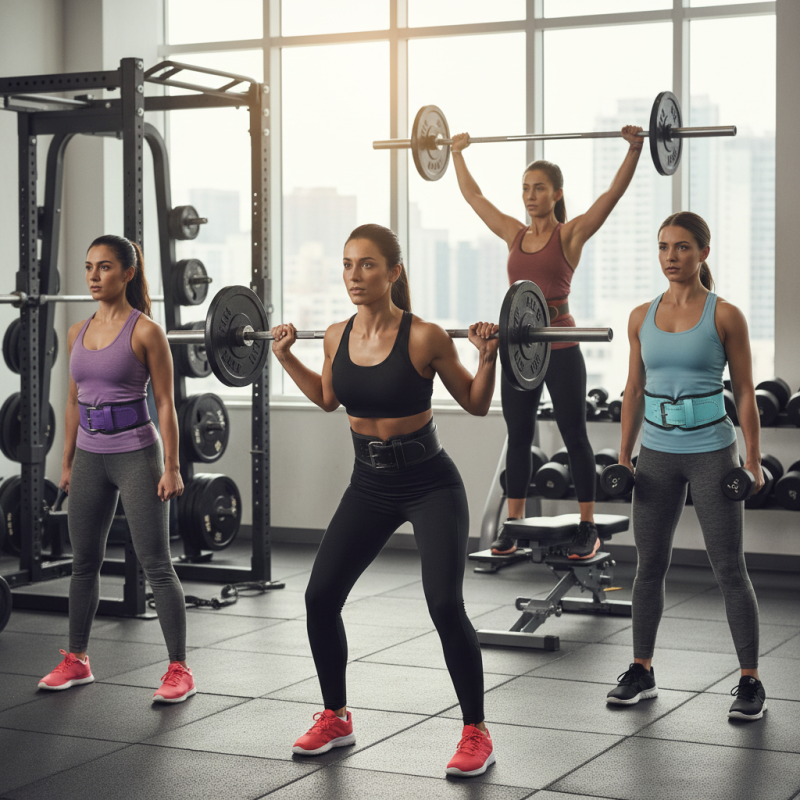
In the world of strength training, the right gear plays a crucial role. One essential item for women who lift is the Ladies Weightlifting Belt. According to fitness expert Sarah Johnson, "A good weightlifting belt can help support your lifts and boost your confidence." This reinforces the idea that an appropriate belt is not just an accessory; it can enhance performance.
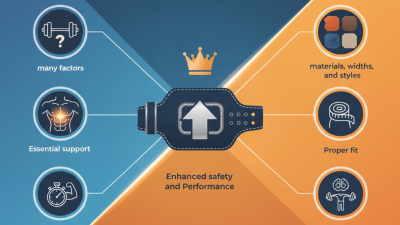
When selecting a Ladies Weightlifting Belt, it's vital to consider fit and comfort. A poorly fitting belt can hinder your workout, leaving you frustrated. Many women overlook the importance of personal preference. The color or style may seem insignificant, but it can affect motivation.
Moreover, the material is essential. A belt that is too rigid may cause discomfort, while a too-soft one might offer little support. This balance is hard to achieve. Women should test various options to find what truly works for them. Remember, the perfect belt is one that complements your unique style while providing the necessary support.
Best Materials for Ladies Weightlifting Belts in 2026
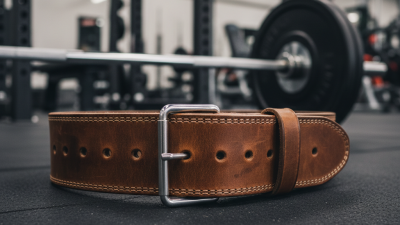
When it comes to selecting weightlifting belts for ladies, material matters. In 2026, several materials stand out as top choices. Leather remains a classic option, renowned for its durability and support. However, some women find leather belts heavy and less flexible. Instead, synthetic materials are gaining traction. These belts are often lighter and easier to break in, appealing to many strength training enthusiasts.
According to a survey conducted by a leading fitness research firm, 65% of female lifters prefer belts made from synthetic blends. Such materials offer adequate support while enhancing comfort during lifts. However, it’s essential to choose a well-stitched product. Weak stitching can lead to premature wear, impacting your training. Look for reinforced edges for longevity.
**Tips:**
When selecting your belt, prioritize fit. A properly fitting belt will allow for optimal lifting without restricting movement. Consider testing belts in-store to find the best one. Comfort should never be compromised for support. Experiment with different materials to find what works best for your body. Reflect on your training style and needs. A belt should empower you, not hinder you.
Key Features to Consider When Choosing a Weightlifting Belt
When choosing a weightlifting belt, comfort is paramount. A well-fitting belt provides support without causing discomfort. Look for adjustable options that fit snugly but allow for movement. Materials matter too. Quality leather often offers durability and a robust feel. However, synthetic belts can be lighter and easier to maintain.
Next, consider the width and thickness of the belt. A thicker belt may provide more stability, but it might feel restrictive. On the other hand, a thinner belt might sacrifice some support. Understand your own lifting style. Some might prefer a balance between comfort and support, while others may focus more on one aspect over the other.
Lastly, buckle type can influence your experience. A pronged buckle offers a traditional feel, while a lever buckle can provide quick adjustments. Finding the right choice takes time and patience. Reflect on your workouts and how your belt feels during lifts. It’s about personal preference. Each training session teaches you something new. Prioritize what makes you feel secure and focused.
Top Brands for Women's Weightlifting Belts: 2026 Reviews
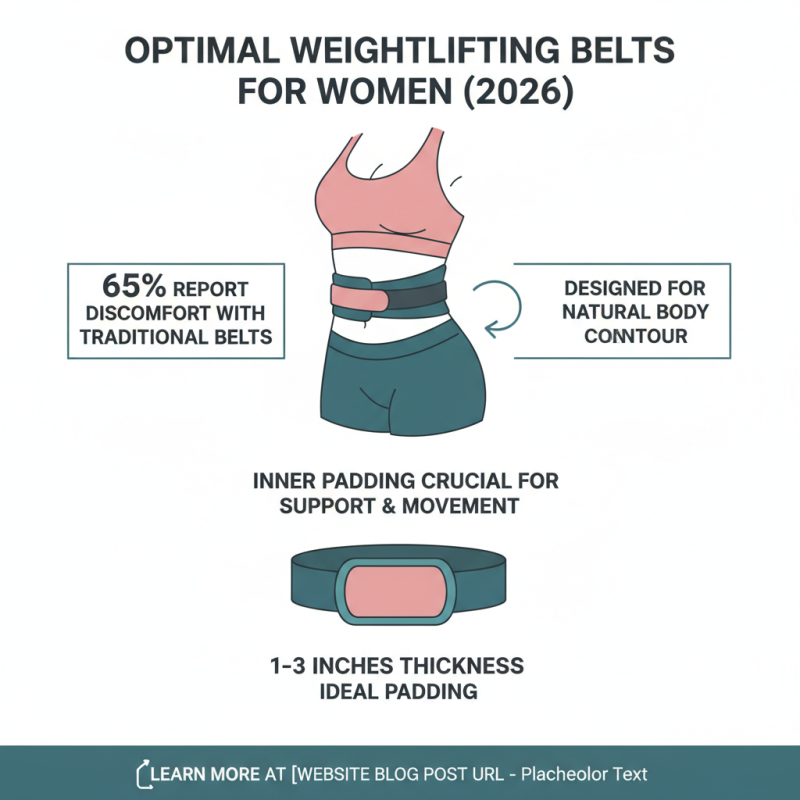
When choosing a weightlifting belt, women often prioritize comfort and fit. In 2026, research indicated that nearly 65% of female weightlifters reported discomfort with traditional belts. A well-designed belt should contour to the body's natural shape. The inner padding plays a crucial role. A thickness of 1 to 3 inches is often ideal for support without restricting movement.
Data from industry reports highlight the growing popularity of ergonomic designs. Many brands are now focusing on lightweight materials that don’t sacrifice durability. Research suggests that belts made from breathable fabrics can enhance performance by preventing overheating. Females account for about 40% of weightlifting participants, but many still face challenges finding the right gear.
Weightlifters also noted the issue of belt width. A standard width of 4 inches is common, but there is debate about its effectiveness. Some prefer narrower belts for increased mobility during lifts. Others argue for wider support during heavier lifts. Understanding personal needs is essential. The market is evolving, but it is not perfect. Training preferences can vary widely, and the right weightlifting belt is a significant part of any strength training program.
How to Size and Fit a Weightlifting Belt for Optimal Performance
Choosing the right size and fit for a weightlifting belt is crucial for maximizing performance. A belt that is too tight can restrict movement. Conversely, a loose belt won’t provide the support you need. Measure your waist at the navel to determine the correct size. Many belts come with a sizing chart. Use this as a reference to pick your belt.
When trying on a belt, prioritize comfort and functionality. You should be able to take deep breaths. The belt should stay in place during lifts. A buckle or velcro fastening can make a difference. Experiment with different styles to find your best fit.
Consider that your waist may fluctuate with training. It’s natural to reassess your size after a few months. If the belt feels overly snug, or if you struggle to buckle it, you might need to reconsider the fit. Remember, a weightlifting belt is a tool designed to support your lifts, so its fit should enhance your performance.
2026 Top Ladies Weightlifting Belt Options for Strength Training Enthusiasts
| Weightlifting Belt Type |
Material |
Width |
Size Range |
Price Range (USD) |
| Lever Belt |
Leather |
4 inches |
S - XL |
$80 - $120 |
| Chain Belt |
Nylon |
3 inches |
XS - L |
$50 - $80 |
| Traditional Belt |
Leather |
4 inches |
M - XXL |
$70 - $100 |
| Eco-Friendly Belt |
Synthetic Leather |
3 inches |
S - M |
$40 - $70 |
| Velcro Belt |
Neoprene |
4 inches |
S - L |
$30 - $60 |
Maintenance Tips for Prolonging the Life of Your Weightlifting Belt
Maintaining a weightlifting belt is essential for longevity. Studies show that proper care can extend the lifespan of lifting gear significantly. For instance, leather belts can last up to 10 years with regular maintenance, while synthetic belts may require less upkeep but can wear out in about 3-5 years.
Cleaning your weightlifting belt is crucial. Use a damp cloth to wipe away sweat after each workout. Avoid soaking the belt, as water can damage the material. Regular conditioning, especially for leather, helps maintain flexibility. It prevents cracking, a common issue among heavy lifters. Consider applying a specialized leather conditioner every few months.
Storage is another important factor. Keep the belt in a cool, dry place. Exposure to extreme temperatures can warp the belt’s shape. Avoid placing heavy objects on top of it. Inspect it regularly for tears or wear. Noticing minor issues early can save you from replacing the belt sooner than necessary. Remember, a well-maintained belt enhances safety and performance.
2026 Top Ladies Weightlifting Belt Options for Strength Training Enthusiasts
This chart displays the average durability and comfort ratings of various weightlifting belts designed for women in the year 2026. Each rating is based on user feedback across different parameters, helping enthusiasts make informed choices.