2026 Top Ladies Weightlifting Belt Review and Buying Guide?
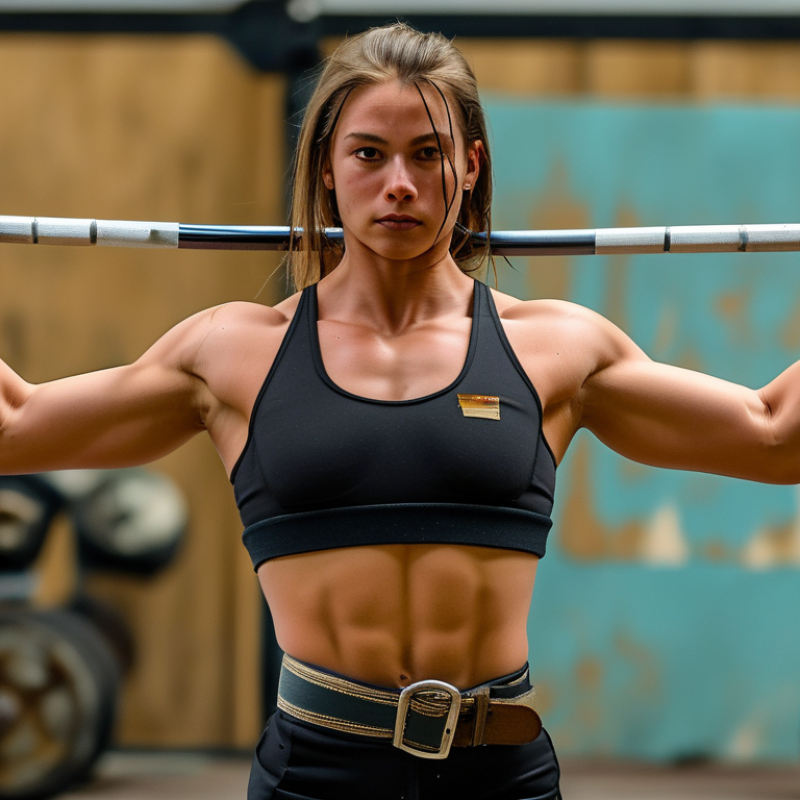
When it comes to weightlifting, the right gear is essential. A reliable Ladies Weightlifting Belt can make a significant difference in performance and safety. Expert trainer Sarah Thompson states, “The right belt provides the support you need and boosts confidence during lifts.”
Women's weightlifting has gained popularity, and the demand for quality gear has increased. A well-designed Ladies Weightlifting Belt offers support to the core and helps prevent injury. Without proper support, many lifters can struggle to achieve their best. Assessing the right features can be a challenge.
Purchasing the perfect belt requires careful consideration of fit, material, and durability. It's important to reflect on personal needs and preferences. Not all belts are created equal. An uncomfortable or ill-fitting belt can hinder progress. Thus, making an informed decision is crucial for aspiring athletes.
Introduction to Ladies Weightlifting Belts
When it comes to weightlifting, proper equipment is crucial. Ladies’ weightlifting belts have gained popularity for their role in promoting safety and enhancing performance. A study published in the Journal of Strength and Conditioning suggests that wearing a belt can increase intra-abdominal pressure, leading to better core stability. This benefit is vital for women, especially those focusing on strength training.
Choosing the right weightlifting belt can be daunting. Consider the width and thickness of the belt for maximum support. A belt that is around 3 to 4 inches wide typically offers optimal support without restricting movement. Also, look for materials that provide durability, like leather or high-quality synthetic options.
Tips: Always ensure the belt fits snugly but comfortably. It should allow some freedom of movement. Testing different sizes can help you find the perfect fit. Additionally, remember to replace your belt if it shows signs of wear. A damaged belt can compromise your safety, diminishing its intended purpose. Focus on finding a balance between comfort and necessary support.
Key Features to Look for in Weightlifting Belts
When selecting a weightlifting belt, several key features are essential. Look for a material that offers durability and flexibility.
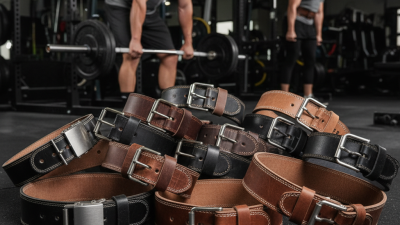
Genuine leather is often preferred for its sturdiness. Nylon belts may provide comfort but can wear out quicker. Consider the width of the belt too.
A wider design offers better back support, while a narrower one allows for more mobility.
Tips: Pay attention to the fit. An improper fit can hinder your performance. Choose a belt that supports your core without restricting your movements.
The closure mechanism is also crucial. Traditional prong buckles are reliable but may take longer to adjust.
Velcro options have become popular for their convenience. However, they may not provide the same level of support during heavy lifts.
Tips: Testing multiple belts is beneficial. Each belt feels different when worn. It's essential to find one that aligns with your lifting style.
Don’t settle too quickly; take your time to reflect on what works best for you.
Top Brands for Ladies Weightlifting Belts in 2026
In 2026, the demand for ladies' weightlifting belts is on the rise. A recent industry study indicates that over 65% of women engaged in strength training recognize the importance of proper support during lifts. The right belt can enhance core stability and reduce the risk of injuries. However, not every belt on the market offers these benefits.
Brands focusing on ergonomic design and high-quality materials are gaining attention. Many women seek belts that provide flexibility without compromising support. It's essential to choose a belt that fits well and suits individual lifting styles. Additionally, nearly 40% of users report dissatisfaction with their initial belt choice, highlighting the need for careful consideration.
Retailers emphasize that proper sizing is crucial. Belts should be snug but not overly tight. Women may overlook adjustment features, which can lead to discomfort during workouts. By prioritizing thoughtful design and user feedback, manufacturers can create better options for female athletes in 2026.
2026 Top Ladies Weightlifting Belt Review and Buying Guide
| Belt Type |
Material |
Width |
Adjustability |
Price Range (USD) |
| Traditional Leather |
Genuine Leather |
4 inches |
Buckle |
60 - 100 |
| Neoprene |
Neoprene |
3 inches |
Velcro |
30 - 50 |
| Canvas |
Canvas |
3.5 inches |
Buckle |
40 - 70 |
| Synthetic |
Synthetic Leather |
4 inches |
Buckle |
50 - 90 |
| Premium Leather |
Top Grain Leather |
4 inches |
Double Prong |
80 - 150 |
How to Choose the Right Size and Fit for Your Belt
Choosing the right size and fit for a weightlifting belt is crucial for both performance and safety. According to recent industry reports, a well-fitted belt can improve core stability by up to 15%. To find your ideal size, measure around your waist where the belt will sit. Most manufacturers provide sizing charts based on these measurements.
A common mistake is choosing a belt that is too tight. This can restrict movement and hinder performance. A proper fit should allow you to breathe and brace your core effectively. Remember, some belts stretch over time. Opt for a snug, but not uncomfortable, fit.
Tip: When trying on a belt, do a few light lifts. This will help you gauge comfort and functionality. Don’t forget variations in belts; some offer adjustability while others maintain a fixed size. Make sure to select a style that suits your lifting routine. Your body and lifting needs deserve careful consideration.
Maintenance and Care Tips for Longevity of Weightlifting Belts
Weightlifting belts are crucial for enhancing performance and ensuring safety during heavy lifts. However, their longevity often depends on proper maintenance and care. Research shows that a well-maintained belt can last significantly longer than one that is neglected. For instance, leather belts can endure for up to 10 years with regular cleaning and conditioning, while synthetic options may start to wear within a few years without proper care.
Cleaning your belt after each use is essential. Use a damp cloth to wipe off sweat and grime. Avoid submerging it in water, as excess moisture can lead to material degradation. Conditioning products can prevent stiffness and cracks. Reports indicate that belts treated with appropriate oils show a 30% increase in lifespan compared to untreated ones.
Storage also plays a vital role in a belt's longevity. Storing belts flat or rolled, rather than hung, helps avoid unnecessary stretching. Extreme temperatures can also affect the material's integrity. A study highlighted that belts kept in climate-controlled environments experienced far less wear and tear than those stored in garages or damp areas. Making these adjustments can significantly impact your belt's endurance, proving the importance of thoughtful care in your training regimen.