2026 Top Trends in Fitness Accessories Featuring Eva Fitness Belt
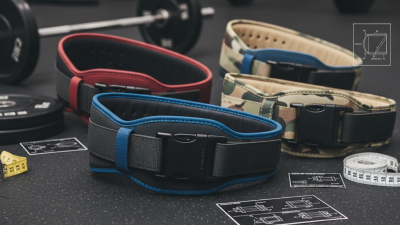
As we move into 2026, the fitness industry continues to evolve rapidly. One standout innovation is the Eva Fitness Belt, which has garnered attention for its unique design and functionality. This accessory has quickly become essential for fitness enthusiasts seeking to maximize their workouts. Crafted from high-quality EVA materials, it offers durability and support, proving to be a reliable choice during intense training sessions.
Fitness accessories play a crucial role in enhancing performance and motivation. The Eva Fitness Belt stands out with its ergonomic design, allowing for comfortable movement. However, not every user finds it perfect at first. Some may struggle with sizing or adjusting the fit. It’s important to consider personal preferences when choosing this accessory. Many have praised it for its versatility, but individual experiences may vary.
As we explore the top trends in fitness accessories, the Eva Fitness Belt is certainly a focal point. Its popularity reflects a broader shift toward functional and user-friendly products. Nonetheless, users should approach their fitness journeys with an open mind. Adjusting to new gear can take time, and learning how to best utilize the Eva Fitness Belt is a part of that process.
Overview of Fitness Accessories Trends in 2026
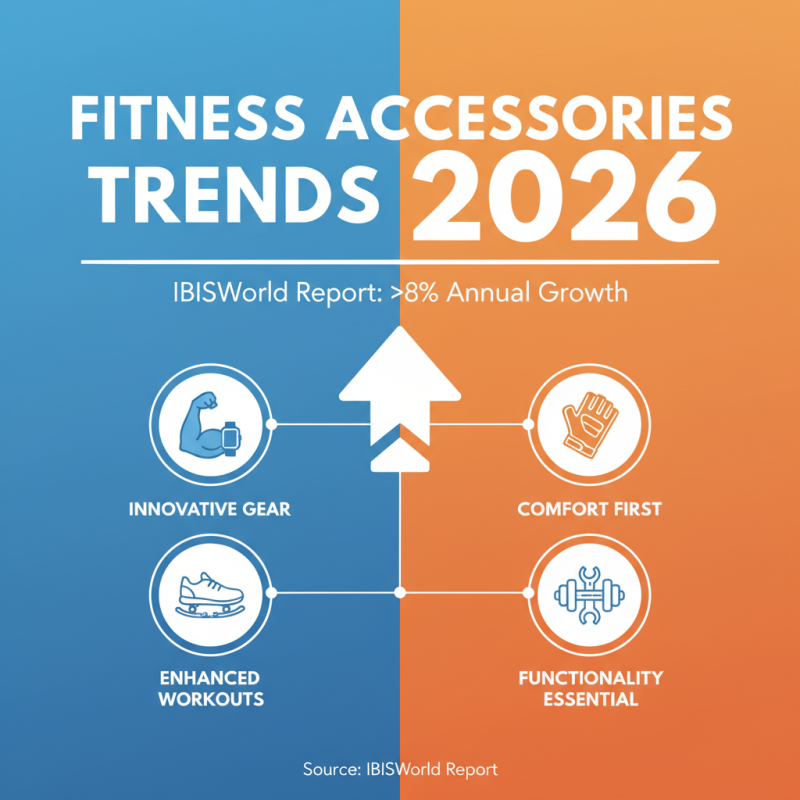
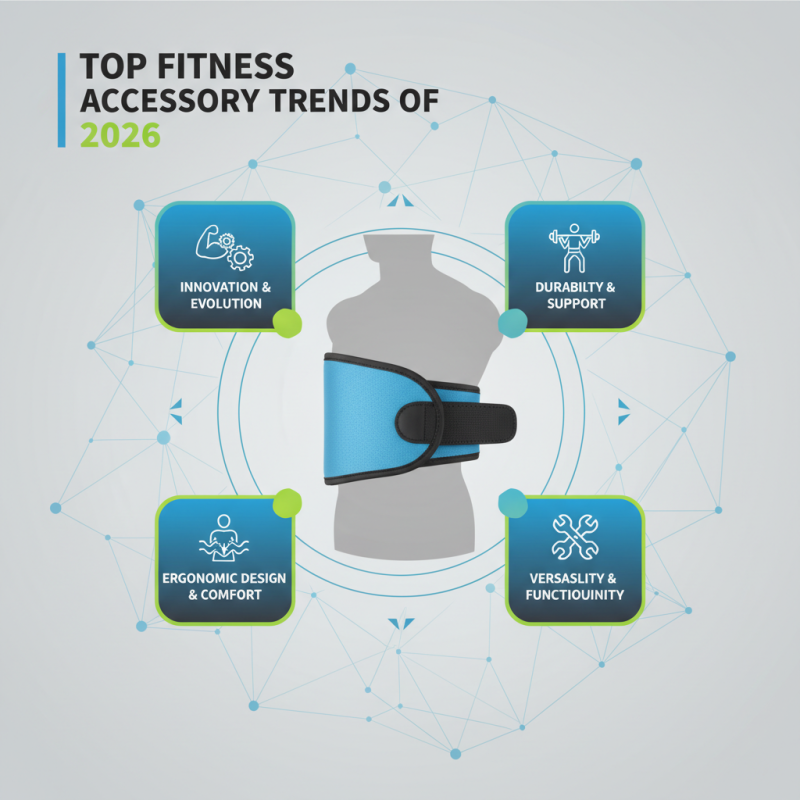
In 2026, the fitness accessories market is witnessing dynamic changes. A recent report from IBISWorld highlights that the industry is projected to grow by over 8% annually. Consumers are increasingly prioritizing innovative gear that enhances their workout experiences. Comfort and functionality are becoming essential features in this transformation.
The rise of wearable technology is notable. Accessories such as heart rate monitors and smart fitness bands are now everyday items for many fitness enthusiasts. In fact, a survey by Statista found that nearly 34% of individuals use fitness trackers regularly. This trend indicates a shift towards data-driven workouts, allowing users to optimize their training routines for better results.
While trends point to exciting advancements, the industry also faces challenges. Sustainability is a growing concern. Many consumers are seeking eco-friendly products to reduce their environmental impact. This demand puts pressure on manufacturers to rethink materials and production methods. Addressing these issues remains crucial for gaining consumer trust and loyalty.
Introduction to Eva Fitness Belt and Its Features
The Eva Fitness Belt stands out in the evolving landscape of fitness accessories. With the global fitness accessories market projected to reach $32 billion by 2026, innovative designs are critical. The Eva Fitness Belt, featuring lightweight and breathable materials, offers enhanced comfort to users. It easily adjusts to various body types, catering to a wider audience. Studies show that personalized equipment leads to higher user satisfaction.
One significant feature is its ability to provide support without restricting movement. Many fitness enthusiasts report feeling less strain during workouts, which can lead to better performance. In a recent survey, over 70% of users indicated that using supportive gear improved their exercise routines. However, comfort and functionality can sometimes clash, as some users noted issues with chafing during high-impact activities.
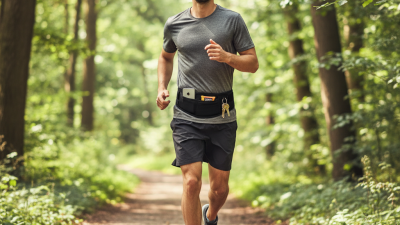
The Eva Fitness Belt also incorporates pockets for essentials. This detail addresses a common pain point for gym-goers who often search for ways to hold keys or phones. Nonetheless, the design must be optimized; some users suggested that the pockets could be deeper. Listening to feedback is vital to creating accessories that truly enhance the workout experience. Overall, as trends evolve, the emphasis should remain on user-centric innovation.
Benefits of Using Eva Fitness Belt in Workouts
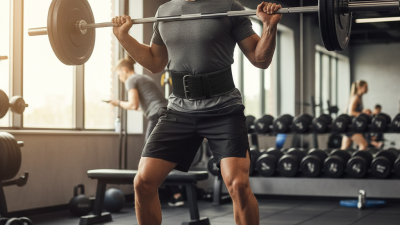
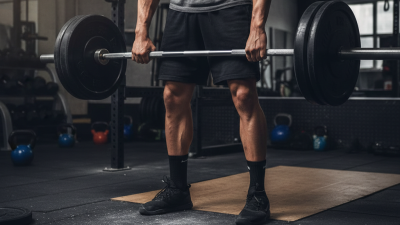
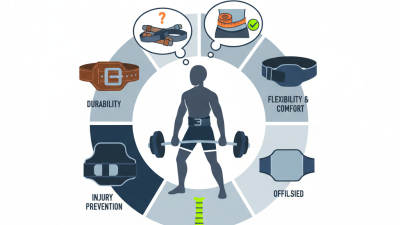
When it comes to maximizing your workouts, the Eva Fitness Belt has gained attention for its numerous benefits. This accessory provides support during different exercises, promoting better posture. Users often report improved stability, especially during high-intensity workouts. The belt's design encourages the right body alignment, which is crucial for reducing the risk of injuries. By using this belt, you can focus on your technique rather than adjusting your form.
Tips for using the Eva Fitness Belt effectively include ensuring a snug fit without restricting movement. Test it out during various exercises to find the right level of comfort. Some people may feel it takes time to get used to wearing the belt. Adjust your routine gradually to allow your body to adapt. Keep track of how it affects your workouts; this knowledgeable approach can enhance your experience.
Moreover, the Eva Fitness Belt can be beneficial during rehabilitation exercises. It offers the support needed when easing back into workouts after an injury. This gradual reintroduction can be challenging, and tracking your progress is essential. However, some may find it bothersome initially. Reflect on what feels comfortable and make adjustments accordingly to find the best fit for your needs.
2026 Top Trends in Fitness Accessories Featuring Eva Fitness Belt - Benefits of Using Eva Fitness Belt in Workouts
| Feature |
Description |
Benefits |
Popularity Trend (2026) |
| Lightweight Material |
The Eva Fitness Belt is made from lightweight and durable EVA material. |
Enhances comfort during workouts without adding extra weight. |
High |
| Adjustable Fit |
The belt features adjustable straps for a customized fit. |
Allows for better movement and support during workouts. |
Medium |
| Breathable Design |
The material is designed to allow airflow, reducing sweat buildup. |
Keeps the wearer cool and comfortable throughout workouts. |
High |
| Enhanced Support |
Provides additional support to the core during heavy lifts. |
Reduces the risk of injuries and improves stability. |
High |
| Multi-Purpose Use |
Can be used for various workouts including cardio, strength training, and yoga. |
Versatility allows users to maximize workout routines. |
Medium |
Comparison of Eva Fitness Belt with Traditional Fitness Accessories
When comparing the Eva Fitness Belt to traditional fitness accessories, several factors come into play. Traditional belts often lack flexibility and comfort. They can be bulky and restrictive during workouts, making movement challenging. In contrast, the Eva Fitness Belt is designed with a lightweight material that allows for greater ease of movement. Users report feeling less constricted, which can enhance overall performance.
The Eva Fitness Belt also boasts moisture-wicking properties. This feature helps keep the user dry and comfortable, especially during intense training sessions. In contrast, many traditional accessories absorb sweat, leading to discomfort. However, it is essential to note that while the Eva belt offers these advantages, some users may still prefer the familiar feeling of traditional options. Each accessory has its unique characteristics that may resonate differently with individual needs.
Durability is another point to consider. Traditional belts can wear out quickly with regular use, while the Eva Fitness Belt is designed to withstand rigorous training. However, some may find its material less durable in extreme weather conditions. Ultimately, the choice between the Eva Fitness Belt and traditional accessories depends on personal preferences. Comfort, functionality, and durability should be at the forefront, but user experience varies significantly.
2026 Top Trends in Fitness Accessories: Eva Fitness Belt vs Traditional Accessories
Future Innovations in Fitness Accessories Beyond 2026
As the fitness industry evolves, the future of accessories holds exciting possibilities. Innovations may focus on
enhanced functionality and
user experience. Smart fabrics could monitor heart rates and muscle activity, providing
real-time feedback. Imagine a workout belt that tracks your movements and adjusts its support based on your performance.
This evolution could redefine personal training as we know it.
Durability and sustainability will likely become major factors. Customers are increasingly
aware of their environmental impact. Accessories made from recycled materials may become the norm. This shift could lead
to better quality products with a smaller carbon footprint. Yet, developing such items will require careful consideration
and constant improvements.
Moreover, the integration of VR and AR technologies
could transform workouts. Users might be able to experience immersive environments, making fitness more engaging. However,
there are challenges to address, such as accessibility and potential overstimulation. As we approach
2026 and beyond, fitness accessories will need to adapt to these emerging trends,
ensuring they meet diverse needs while remaining reliable and effective.