Leave Your Message

Top 10 Benefits of Using a Leather Weightlifting Belt for Your Workouts

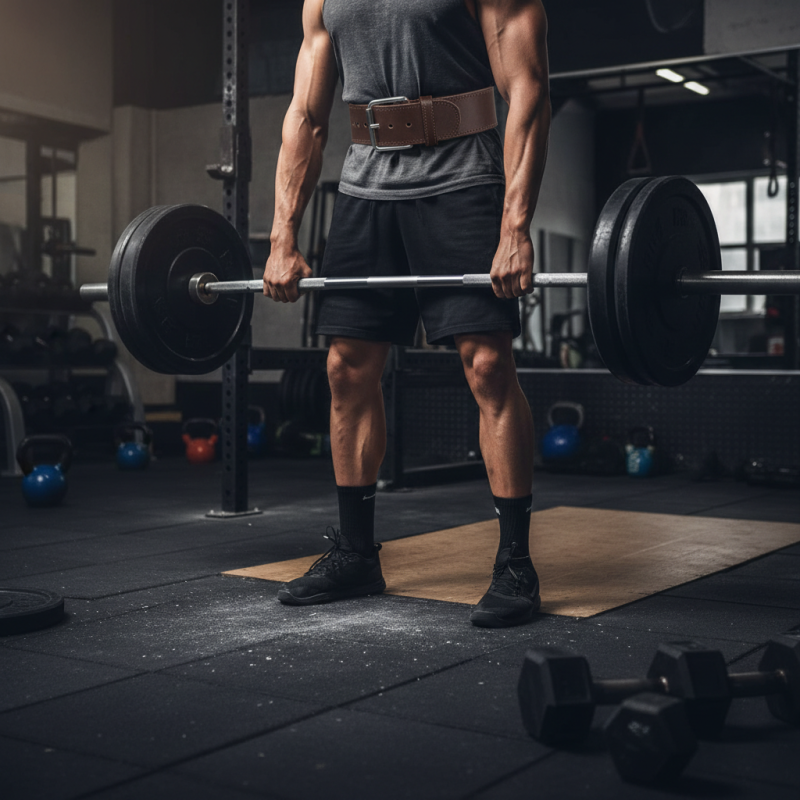
When it comes to maximizing your workout performance, the right equipment can make all the difference. A Leather Weightlifting Belt is increasingly recognized as a vital accessory for serious lifters. According to renowned strength coach and fitness expert Mark Rippetoe, "A weightlifting belt is an essential tool for those who are serious about lifting heavy and training hard." This statement encapsulates the significance of this simple yet powerful piece of gear in providing stability, support, and confidence during lifts.

The benefits of using a Leather Weightlifting Belt extend beyond mere aesthetics; they play an integral role in enhancing core stability and performance. As athletes push their limits, the additional support allows for the safe execution of heavy squats, deadlifts, and other power movements. This introduction will explore the top ten benefits of integrating a Leather Weightlifting Belt into your training routine, helping you understand why this versatile piece of equipment deserves a place in your gym gear. Embrace the potential of your workouts as we delve into the profound impact a Leather Weightlifting Belt can have on your fitness journey.
Top 10 Benefits of Using a Leather Weightlifting Belt for Your Workouts

Benefits of Enhanced Core Stability with Leather Weightlifting Belts

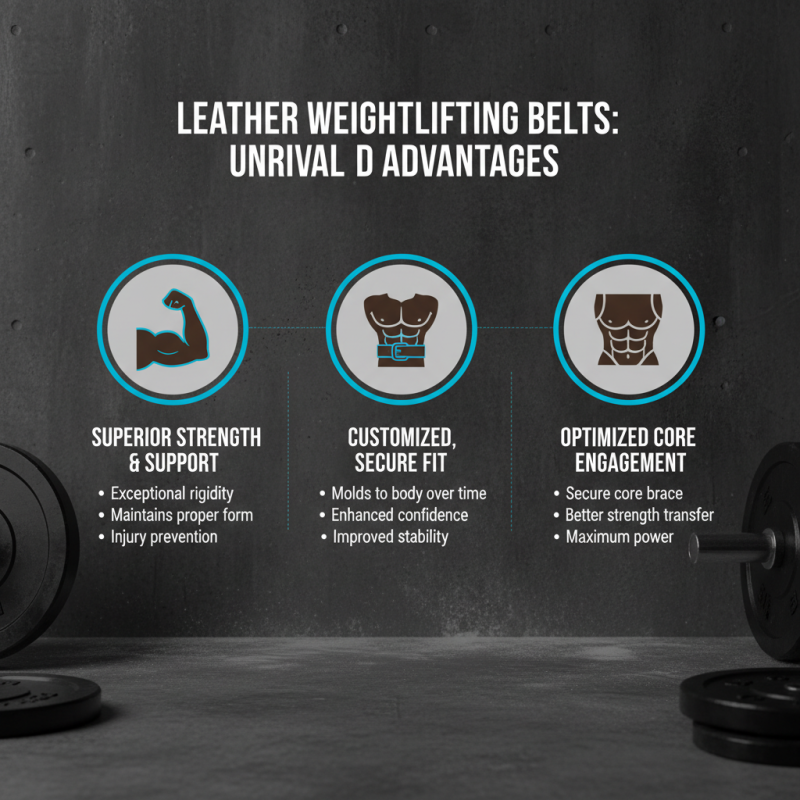
When it comes to weightlifting, core stability is paramount for executing movements both safely and effectively. One of the essential tools that can greatly enhance core stability is the leather weightlifting belt. The firm support it provides assists lifters in maintaining proper posture while lifting heavy weights, ensuring that the spine is adequately protected. This stability not only helps in avoiding injuries but also plays a crucial role in maximizing performance during workouts.

The design of a leather weightlifting belt promotes intra-abdominal pressure, which is vital for maintaining a strong core. When the belt is worn, it encourages the lifter to engage their abdominal muscles more effectively, activating the core to stabilize the spine. This muscular engagement is particularly beneficial during compound movements like squats and deadlifts, where the risk of injury from improper form is significantly higher. By providing a solid anchor point, the leather belt allows athletes to lift heavier with confidence, leading to improved strength gains over time. Ultimately, enhanced core stability from using a leather weightlifting belt not only boosts performance but also fosters a safer workout environment.
Impact of Leather Material on Durability and Longevity in Gym Use

The impact of leather material on durability and longevity in gym environments cannot be overstated. Leather, known for its robust characteristics, provides substantial resistance against wear and tear often encountered during intensive weightlifting sessions. According to a recent study published by the International Journal of Strength and Conditioning, leather belts can last up to five times longer than synthetic alternatives when subjected to rigorous daily use. This longevity not only offers athletes a reliable counterpart for strength training but also contributes to cost-effectiveness over time.

Moreover, the natural properties of leather allow it to develop a customized fit over frequent use, enhancing comfort and support for the lifter. A report from the National Strength and Conditioning Association further suggests that the personalized alignment achieved through regular use of a leather belt can lead to improved lifting performance metrics by providing better core stabilization. Additionally, the breathability of leather material can reduce moisture buildup, decreasing the risk of mold or degradation that typically affects synthetic belts after extended periods of sweat exposure. As such, opting for leather weightlifting belts allows practitioners to invest in a piece of equipment that not only performs well but also assures longevity and durability throughout their fitness journey.

Top 10 Benefits of Using a Leather Weightlifting Belt for Your Workouts

Benefit Description Impact of Leather Material
Increased Support Provides additional lumbar support during heavy lifts. Leather offers sturdiness, enhancing stability.
Improved Posture Encourages proper spine alignment during workouts. Durable leather helps maintain its shape for effective posture control.
Enhanced Performance Allows lifters to perform more effectively under load. Quality leather provides necessary rigidity without being too restrictive.
Injury Prevention Reduces risk of back injuries during heavy lifts. Leather maintains integrity over time, supporting injury prevention.
Comfortable Fit Molds to the body for personalized comfort. High-quality leather adapts to wearer's shape enhancing comfort.
Durability Lasts significantly longer compared to synthetic belts. Leather is naturally resilient, ensuring longevity under rigorous use.
Breathability Allows air circulation, reducing sweat build-up. Natural leather has better ventilation properties than many synthetics.
Aesthetic Appeal Offers a classic, professional look. The finish of leather enhances overall aesthetics over time.
Versatility Suitable for different types of lifting and workouts. Quality leather functions well in varied gym environments.
Cost-Effectiveness Investing in leather pays off in long-term usage. Durable leather minimizes the need for frequent replacements.

Statistical Improvements in Lifting Performance with Weightlifting Belts

Using a leather weightlifting belt can significantly enhance your workouts, especially when it comes to lifting performance. Studies indicate that lifters utilizing a weightlifting belt can experience improvements in their one-rep max (1RM) lifts by approximately 10% to 15%. This increase is attributed to the belt's ability to stabilize the core, reduce spinal flexion, and allow for safer lifting techniques. As a result, whether you're performing squats, deadlifts, or overhead presses, a weightlifting belt provides the necessary support to maximize your strength potential.

Tips to consider when using a weightlifting belt include selecting the right size and ensuring a proper fit. An ill-fitting belt can hinder performance rather than enhance it. Additionally, it is advisable to only use the belt for heavy lifts, focusing on building core strength without it during lighter training sessions. This approach ensures that you engage your core muscles effectively while relying on the belt to provide extra support when it is most needed.

Another important tip is to focus on proper lifting techniques. While a weightlifting belt can aid in lifting heavier weights, it should not be a substitute for correct form. Remember to maintain a neutral spine and engage your core throughout your lifts. Prioritizing form not only helps in preventing injuries but also contributes to long-term improvements in your lifting performance. By incorporating these practices, you can make the most of your workouts and see substantial gains with the help of a leather weightlifting belt.

Role of Weightlifting Belts in Injury Prevention and Back Support

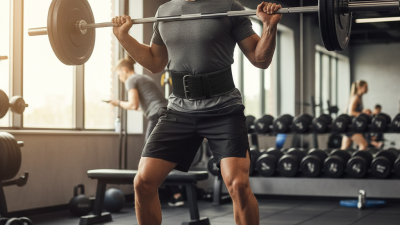
Weightlifting belts are an essential tool for serious athletes and fitness enthusiasts, particularly when it comes to injury prevention and providing necessary back support during heavy lifts. By stabilizing the core and maintaining proper posture, a leather weightlifting belt helps to distribute pressure across the torso, reducing the risk of strain on the lumbar spine. This is especially important during compound movements such as squats or deadlifts, where the lower back is subjected to significant loads. When the belt is worn correctly, it acts as a brace to prevent excessive spinal flexion or hyperextension, thereby minimizing the likelihood of injuries.

Moreover, the psychological benefits of wearing a weightlifting belt should not be overlooked. Athletes often feel more secure and confident with the added support, which can enhance their performance and enable them to push their limits safely. The awareness that the belt provides can lead to better technique, allowing lifters to focus on their form rather than on their body's stability. As a result, this leads to safer lifting practices and promotes long-term physical health, allowing individuals to continue their training with reduced risk of injury over time. Using a leather weightlifting belt, therefore, serves not only as physical support but also as a motivational tool in the pursuit of fitness goals.

Comparison of Leather and Other Materials in Weightlifting Accessories

Top 10 Benefits of Using a Leather Weightlifting Belt for Your Workouts

When it comes to weightlifting accessories, the choice of material can significantly impact performance, comfort, and durability. Leather weightlifting belts are often preferred by serious lifters due to their unique properties. Leather provides exceptional strength and support, which is crucial for maintaining proper form and preventing injury during heavy lifts. Unlike synthetic materials, leather molds to the body over time, offering a customized fit that enhances the lifter's confidence and stability. This adaptability allows for a more secure brace of the core, facilitating better transfer of strength through the lifts.

In contrast, weightlifting belts made from synthetic materials such as nylon or neoprene may initially feel more comfortable, but they often lack the rigidity and support needed for more advanced lifting techniques. While these materials can be lighter and easier to clean, they do not provide the same level of back support and pressure distribution that leather belts do. Additionally, synthetic belts may wear out faster, leading to reduced effectiveness during workouts. Overall, while both types of belts serve their purpose, leather remains the preferred option among serious athletes looking for longevity, support, and performance enhancement in their lifting experience.