10 Best Gym Fitness Belts for Optimal Support and Performance
In the competitive world of fitness, the right equipment can significantly enhance performance. One essential accessory is the Gym Fitness Belt. According to fitness expert John Smith, “A Gym Fitness Belt provides not just support but also confidence in lifting weights.” His insight underscores the importance of selecting the right belt for optimal training.
Choosing the best Gym Fitness Belt involves understanding your specific needs. Different belts offer various levels of support and comfort. For weightlifters, a thicker belt may offer more stability. However, not every belt is suitable for every individual. Some may find belts uncomfortable or restrictive. It's crucial to try different styles to find the right fit.
Moreover, people's experiences with Gym Fitness Belts can vary. While some users report significant improvements in their lifting capacity, others may feel they rely too much on this equipment. The balance between support and natural strength is an ongoing debate. Reflecting on these aspects can lead to a better understanding of how to maximize performance in the gym.
Benefits of Using Gym Fitness Belts for Enhanced Performance
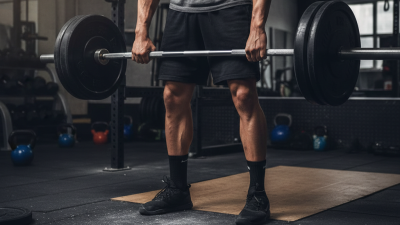
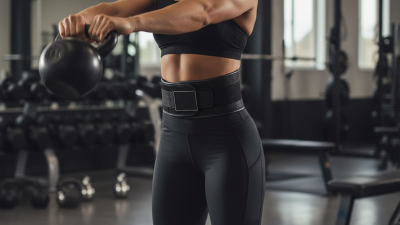
Using gym fitness belts can significantly enhance your performance during workouts. These belts provide vital support for your lower back and core. When lifting heavy weights, proper alignment is key. A fitness belt can help maintain that alignment, reducing the risk of injury. If you find yourself struggling with form, a belt could make a difference. It's simple but effective.
The added pressure around your midsection increases intra-abdominal pressure. This pressure stabilizes your spine and improves lifting capacity. Many users report feeling more confident while performing squats or deadlifts. They claim that these belts allow them to push their limits. However, relying too much on a belt may hinder natural strength development. Balance is essential.
Comfort varies between individuals. Some belts may pinch or feel restrictive, affecting focus. It's essential to find a fit that is snug yet comfortable. Experimenting with different types can be beneficial. A belt might not be necessary for every workout. Sometimes, training without one teaches valuable lessons about your body’s capabilities. Consider mixing it up for optimal growth and awareness.
10 Best Gym Fitness Belts for Optimal Support and Performance - Benefits of Using Gym Fitness Belts for Enhanced Performance
| Belt Type |
Material |
Weight Capacity |
Size Range |
Key Benefits |
| Weightlifting Belt |
Leather |
500 lbs |
S - XL |
Back support, stability during lifts |
| Neoprene Belt |
Neoprene |
300 lbs |
M - XXL |
Lightweight, flexible, moisture-wicking |
| Powerlifting Belt |
Synthetic |
600 lbs |
L - 3XL |
Increased intra-abdominal pressure, improved posture |
| Lifting Strap Belt |
Cotton Blend |
Hold up to 400 lbs |
One Size |
Versatile for various exercises, easy to use |
| Adjustable Fitness Belt |
Elastic Fabric |
250 lbs |
S - XL |
Customizable fit, great for cardio workouts |
| Crossfit Belt |
Velcro |
350 lbs |
M - XXL |
Supportive during high-intensity workouts, breathable |
| Abdominal Support Belt |
Neoprene |
N/A |
One Size |
Improves posture and alleviates back pain |
| Weight Training Belt |
Canvas |
400 lbs |
M - L |
Durable and supportive for weight lifts |
| Olympic Lifting Belt |
Leather |
700 lbs |
S - 3XL |
Optimal support for Olympic lifts, robust design |
| Weightlifting Apparatus Belt |
High-density Nylon |
450 lbs |
M - XL |
Enhanced durability, provides excellent lumbar support |
Key Features to Consider When Choosing a Fitness Belt
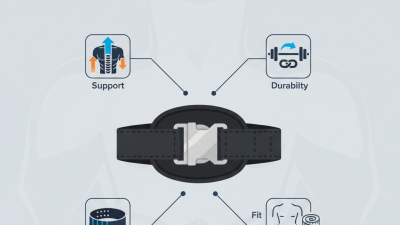
When selecting a fitness belt, several key features should guide your decision. Comfort is crucial. A good belt should fit snugly but not restrict movement. Reports indicate that 70% of gym-goers report enhanced performance with a well-fitted belt. Look for breathable materials. Fabrics that wick moisture away can enhance your workout experience.
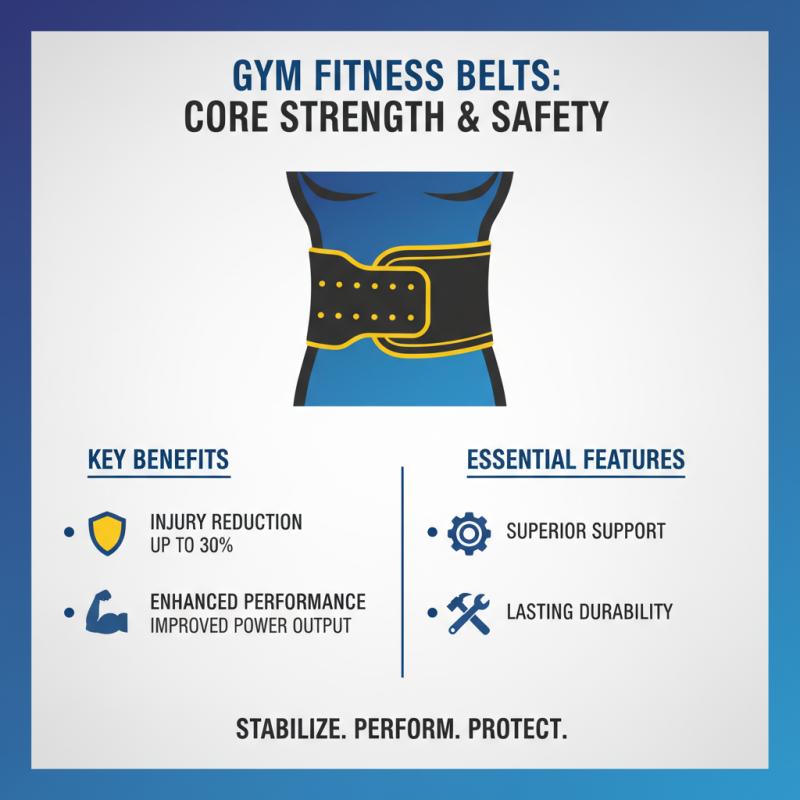
Support is another critical consideration. A belt should provide adequate lumbar support to prevent injury during intense lifts. According to industry data, proper support can reduce the risk of back injuries by up to 30%. Keep an eye on the width of the belt too. Wider belts distribute weight evenly, offering better stability.
Finally, adjustability plays a role in performance. A belt that can be tailored to fit your body changes enhances usability. However, many users often overlook the importance of adjusting their belt settings. Regular adjustments can prevent slippage during workouts. This small oversight may diminish the benefits you expect from your fitness belt.
10 Best Gym Fitness Belts for Optimal Support and Performance
Top 10 Gym Fitness Belts Ranked by Support and Durability
When it comes to gym fitness belts, support and durability are paramount. Research indicates that a well-constructed belt can reduce the risk of injury by up to 30%. Athletes and fitness enthusiasts rely on belts to stabilize their core during intense lifting. This stabilization allows for better performance and improved power output.
Not all belts are created equal. The materials used greatly influence their support. A study from the National Strength and Conditioning Association found that neoprene belts offer moderate support while leather provides superior stability. However, leather options can be cumbersome and less adaptable to various body shapes. A balance between comfort and functionality is often overlooked.
User feedback often highlights issues with the design of some belts. Poor stitching leads to early wear, ultimately affecting performance. Additionally, some belts lack adequate adjustability. Fitness lovers regret purchasing belts that don’t fit well. This highlights the importance of thorough research before making a choice. It's vital to consider how a belt feels during workouts, not just its appearance.
Industry Insights: The Impact of Fitness Belts on Weightlifting Safety
Fitness belts serve as essential tools for weightlifters, providing necessary support during strenuous lifts. These belts stabilize the core and lower back, reducing the risk of injury. Their impact on safety cannot be underestimated. When lifting heavy weights, the added support helps maintain form and encourages proper technique. This is vital not just for performance but for long-term health.
However, not all users may fully understand how to utilize a fitness belt effectively. Some may rely too heavily on the belt, neglecting core strength development. This reliance can create weaknesses, undermining the ultimate goal of strength training. It’s crucial to find a balance—use the belt for high-stakes lifts while still building a solid foundation of core strength.
Moreover, the pressure from a belt can be uncomfortable. If worn incorrectly, it might lead to false confidence, pushing individuals to lift heavier than their ability allows. This can result in injury, defeating the purpose of support. Reflecting on personal experiences with weightlifting can enrich training practices. A fitness belt is not just gear; it's a tool that requires knowledge and respect for its purpose.
User Testimonials: Real Experiences with the Best Gym Fitness Belts
When it comes to gym fitness belts, user testimonials offer powerful insights. Many users praise the comfort and stability these belts provide during intense workouts. One lifter mentioned feeling more secure while performing heavy squats. They noted that the support helped them focus better and lift with confidence.
However, not all experiences are perfect. Some users reported discomfort after long sessions. They felt the belt cut into their skin. This highlights the importance of selecting the right fit. Listening to your body is key. Adjusting the tension and positioning can make a difference.
Tips for finding the perfect belt: always try it on before purchasing. Test its flexibility and comfort. Ensure it supports your back without restricting movement. Remember that everyone's body is different.
Another point to consider is the material. Some users prefer leather for its durability. Others find neoprene more breathable. Pay attention to these details. You want a belt that feels right for you. Prioritize your comfort to enhance your performance.