Best Leather Weightlifting Belts for Serious Lifters in 2026?
In the realm of strength training, Leather Weightlifting Belts play a critical role in performance and safety. A recent survey revealed that nearly 70% of serious lifters use a weightlifting belt during their workouts. These belts provide essential support for the core, helping to stabilize the spine and potentially reduce the risk of injury.
Industry experts emphasize the importance of selecting a quality leather belt for optimum support. A reputable study published in the Journal of Strength and Conditioning Research highlighted that lifters who utilized proper equipment, like Leather Weightlifting Belts, achieved significantly improved performance metrics. However, not all belts are created equal, and choosing the wrong one can lead to discomfort and ineffective lifting techniques.
As we look towards 2026, the market for Leather Weightlifting Belts is evolving rapidly. Innovations in design and materials continually challenge traditional notions of weightlifting gear. Yet, it is crucial to approach these advancements with caution. While many belts boast enhanced features, not every option will suit your individual needs. Ensuring you choose a belt that combines quality, comfort, and performance can make all the difference in your lifting journey.
Best Leather Weightlifting Belts for Serious Lifters in 2026
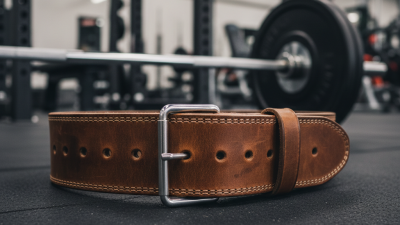
When it comes to serious weightlifting, a reliable leather weightlifting belt is essential. These belts provide crucial support for your back and core during heavy lifts. They enhance your stability and help prevent injuries when you're pushing your limits. For lifters in 2026, finding the best option can make a significant difference in your performance.
Investing in a quality leather belt is wise. Look for belts made from high-quality leather that offer durability and strength. The perfect fit is also vital. An ill-fitting belt can cause discomfort or even hinder your performance. Don't skip the sizing process. Take the time to measure yourself for the best experience.
Tips for choosing the right belt: consider the width. A width of 4 inches is standard but might not suit everyone. Also, consider the buckle type. Lever buckles provide ease of use but may not offer the adjustability some lifters prefer. Personal preferences vary, and testing different styles can yield surprising insights into your comfort and support needs. Remember, what works for one may not work for another, so reflect on your choices before purchasing.
Understanding the Importance of Weightlifting Belts in Strength Training
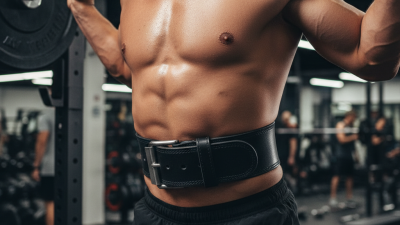
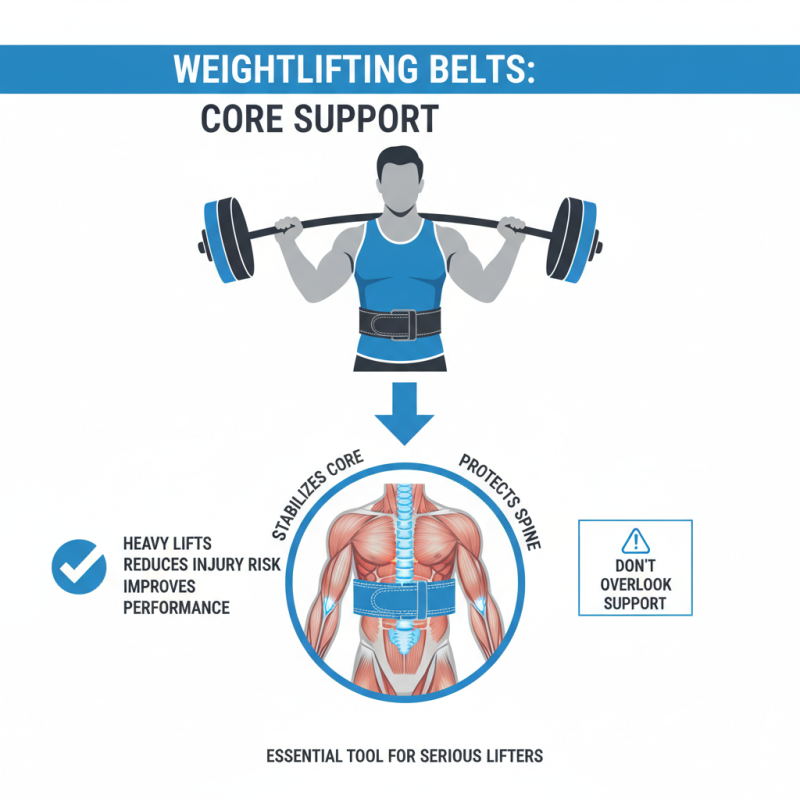
Weightlifting belts are essential tools for serious lifters. They provide support during heavy lifts. A well-fitted belt stabilizes the core. This stabilization helps protect the spine from injury. Many lifters overlook this aspect. They might focus instead on lifting more weight. However, the right support is crucial for maximum performance.
Using a weightlifting belt affects how you lift. It encourages proper breathing techniques. Proper intra-abdominal pressure can enhance strength. A belt is often seen as a crutch, but that’s not the case. It doesn't do the work for you. Instead, it complements your effort, improving focus and alignment.
Some may struggle with finding the right belt. The perfect fit varies for each individual. A poorly fitted belt can hinder performance. It’s vital to take the time to find one that feels comfortable. Remember, lifting safely should always be the priority. Reflect on your training habits. Are you using a belt to your advantage? Make adjustments where needed for better results.
Key Features to Look for in High-Quality Leather Weightlifting Belts
When choosing a leather weightlifting belt, it's essential to focus on several key features. A
high-quality belt should provide optimal support and stability.
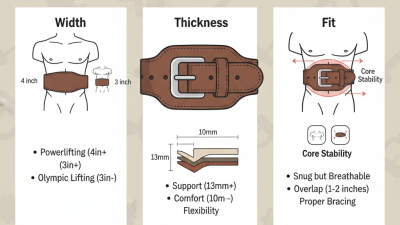
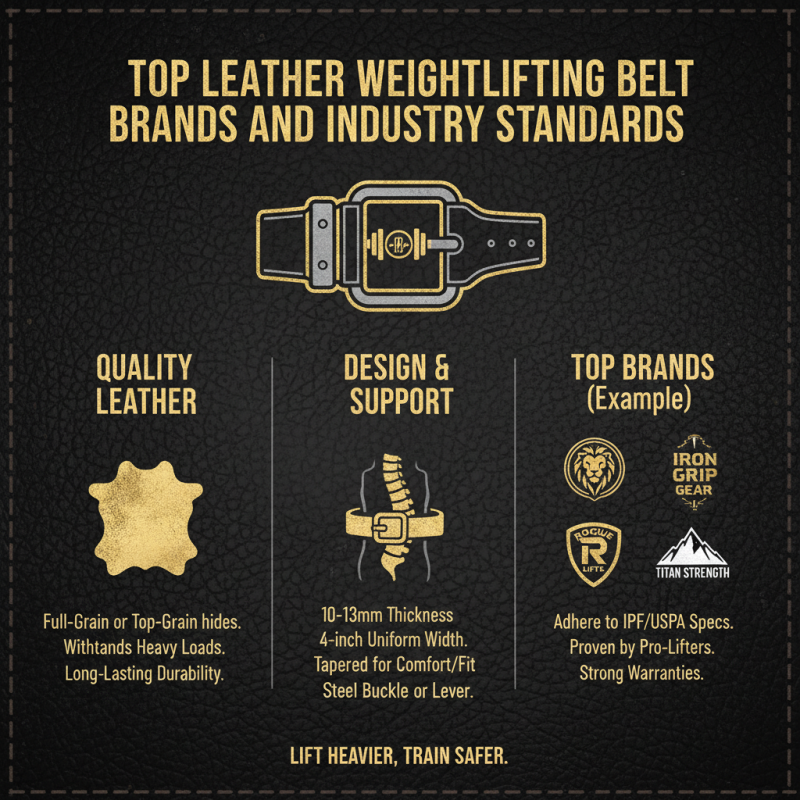
Look for belts made of genuine leather, as they offer durability and comfort. A thickness of
10-13mm is commonly recommended for serious lifters, ensuring
adequate rigidity without sacrificing flexibility.
The width of the belt is also crucial. A wider belt can distribute pressure evenly across the waist,
aiding in lifting performance. Many experts suggest a minimum width of 4 inches.
Additionally, a single prong or lever buckle design can ensure that the belt remains
secure during intense workouts.
Tips: Always ensure the fit is snug but allows for breathing.
Some belts feature padding for additional comfort, which can be beneficial for high-repetition workouts.
Remember to check for a break-in period. New belts may feel stiff and require adjustment. Choosing the
right leather belt can significantly enhance your lifting potential.
In terms of safety, consider the edge finishing. Clean,
smooth edges prevent chafing, which can ruin a workout. It's an often-overlooked feature that can impact
your performance. Continuous wear can lead to wear and tear. Regularly inspect your belt for any signs
of damage to maintain reliability during heavy lifting sessions.
Comparing Durability and Performance: Leather vs. Other Materials
When choosing a weightlifting belt, durability and performance matter. Leather belts have long been favored for these qualities. According to a 2023 industry report, leather belts typically last an average of 5 to 10 years, depending on usage and care. In contrast, synthetic belts often show wear within 1 to 2 years, making leather a more reliable option for serious lifters.
Leather provides superior support during heavy lifts. Its rigidity helps stabilize the spine, enhancing lifting technique. Studies show that lifters using leather belts can increase their lifting capacity by up to 20% compared to those with softer materials. However, leather can require more maintenance. It needs regular conditioning to prevent cracking and maintain its integrity.
Tip: Inspect your belt regularly for signs of wear. Even slight cracks can diminish support during lifts. Store your leather belt in a cool, dry place to prevent damage.
Synthetic materials, like nylon, have their advantages. They are often lighter and more flexible, but may not provide the same level of support under heavy loads. Lifters should consider their training style before making a choice. A belt’s effectiveness often lies within personal preference and specific lifting goals. Experimenting with different options can yield valuable insights.
Best Leather Weightlifting Belts for Serious Lifters in 2026
| Belt Type |
Material |
Durability (Years) |
Performance Rating (1-5) |
Weight (lbs) |
| Powerlifting Belt |
Genuine Leather |
5 |
5 |
2.5 |
| Olympic Weightlifting Belt |
Nubuck Leather |
4 |
4 |
2.0 |
| Bodybuilding Belt |
Top Grain Leather |
6 |
5 |
2.75 |
| CrossFit Belt |
Buffalo Leather |
5 |
4 |
2.3 |
| General Training Belt |
Synthetic Leather |
3 |
3 |
1.8 |
Conclusion
In 2026, the importance of Leather Weightlifting Belts in strength training continues to gain recognition among serious lifters. These belts provide essential support and stability during heavy lifts, allowing athletes to maximize their performance while reducing the risk of injury. When choosing a high-quality leather weightlifting belt, key features such as the material quality, width, thickness, and buckle design should be considered to ensure optimal fit and functionality.
A comparative analysis of leather versus other materials highlights the superior durability and performance that leather belts offer, which is often favored by serious lifters. User reviews and ratings further emphasize the preference for leather weightlifting belts, revealing insights into the experiences of athletes and their effectiveness in enhancing training results. Overall, leather weightlifting belts remain a crucial investment for those aiming to take their lifting to the next level.