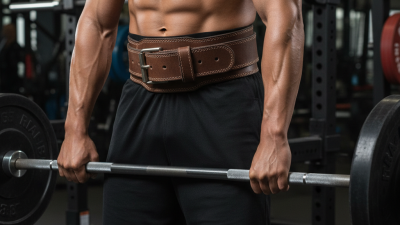
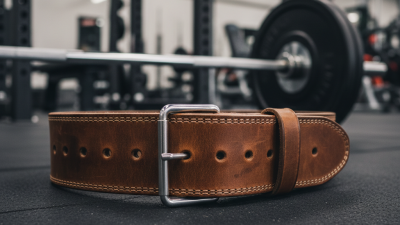
2026 Best Leather Weightlifting Belts for Ultimate Performance and Support?
When it comes to serious weightlifting, the right gear makes all the difference. Leather weightlifting belts stand out for their durability and support. They offer a level of stability that is vital during intense lifts. A quality leather belt can help prevent injury. Generally, seasoned lifters recommend investing in a high-quality option.
Choosing the right leather weightlifting belt can be challenging. With various styles and features available, you may feel overwhelmed. Some belts prioritize comfort, while others focus on maximum support. Your choice should depend on your lifting style and specific needs. Remember, not all belts are created equal. A belt that works wonders for one lifter might not suit another.
Ultimately, the best leather weightlifting belts combine performance with reliability. They enhance your lifting experience and foster confidence in your abilities. As you explore options, consider factors like size, thickness, and design. Each detail contributes to your overall performance. Reflecting on your needs will guide you toward the perfect belt.
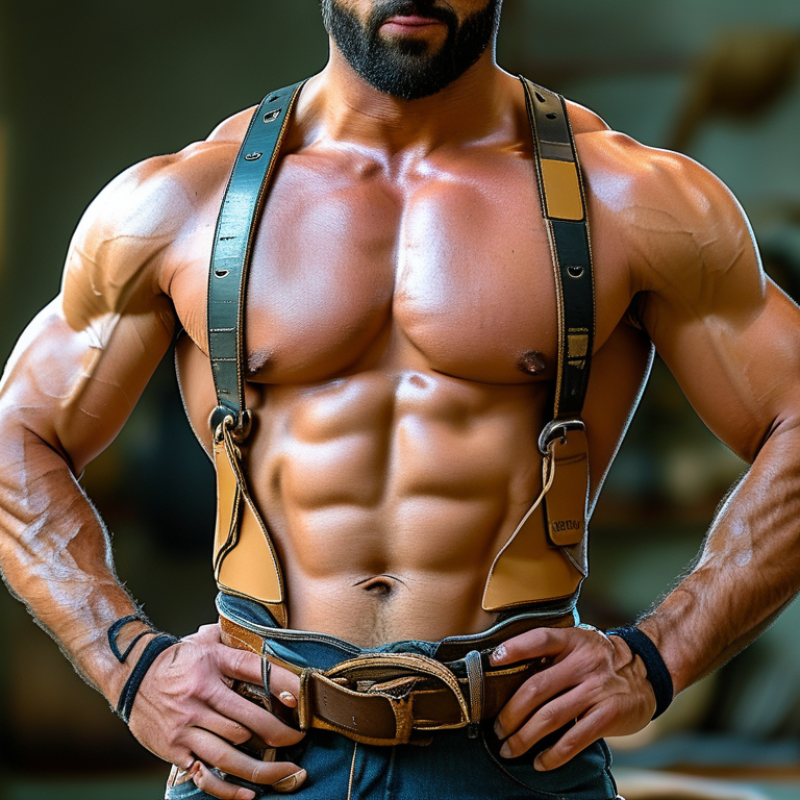
Understanding the Importance of Leather Weightlifting Belts in Training
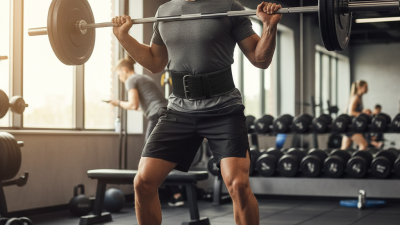
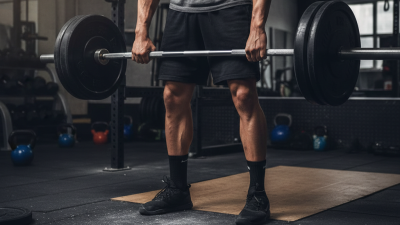
Leather weightlifting belts are essential for athletes seeking stability and strength during heavy lifts. These belts provide critical support to the lower back and core, which can help prevent injuries. They offer a snug fit that encourages proper posture during lifts. This added security can enhance performance, especially during squats and deadlifts.
When selecting a leather weightlifting belt, consider the thickness and width. A thicker belt can offer more support, while a wider belt may provide coverage for larger lifters. Additionally, pay attention to the belt's buckle type. A secure buckle prevents unwanted slips, allowing for a more focused workout.
Tips: Always break in a new leather belt gradually. This helps to avoid discomfort during heavy lifts. Also, remember to adjust the belt to a snug fit, ensuring it supports without restricting breath. Regularly inspect the belt for signs of wear. This contributes to both safety and performance in your training regimen.
Key Features to Look for in Leather Weightlifting Belts
When selecting a leather weightlifting belt, several key features should enhance your performance. A solid belt should offer a thickness of at least 10mm, which provides adequate support during heavy lifts. Research indicates that belts of this thickness can reduce injury risk by up to 17% when properly used. The belt's width matters too; a wider belt provides more support for the lower back. Look for options that contour to your body shape, allowing for comfort without sacrificing stability.
Material quality cannot be overlooked. Full-grain leather is often the most durable choice. It withstands wear and tear better than synthetic alternatives. Keep in mind, though, that a high-quality leather belt may require a break-in period. This period helps adapt the belt to your unique lifting style.
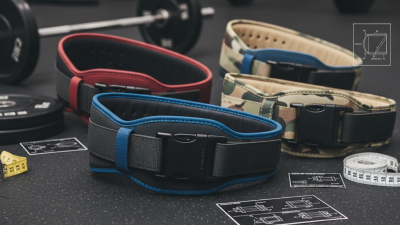
Tip: Always check the belt’s buckle type. A lever buckle usually offers quick adjustments, while prong buckles may provide a tighter fit. Many lifters also prefer a removable Velcro strap for additional security. These small features can significantly influence your lifting experience, so choose wisely. Ensuring a snug fit is essential for maximizing support.
Top Leather Weightlifting Belts of 2026 Reviewed
When evaluating leather weightlifting belts, it's crucial to understand what to look for. A good belt enhances your lifting experience. Comfort and support are key features. The right material can make all the difference. Many lifters prefer genuine leather due to its durability and performance. However, not all leather is created equal.
Tips for selecting a weightlifting belt include knowing your size. A proper fit ensures maximum support during lifts. Consider the thickness of the belt. Thicker belts usually offer more support but might take time to break in. Don't overlook the importance of buckle style. A secure buckle can prevent unwanted shifts while lifting.
Before you make a purchase, reflect on your lifting goals. Are you focused on strength or endurance? Your training style should influence your choice. The best belts will adapt to your needs. Remember, every lifter is different. Testing multiple options can lead you to the perfect fit. Make informed choices to elevate your training performance.
Comparative Analysis: Leather vs. Synthetic Weightlifting Belts
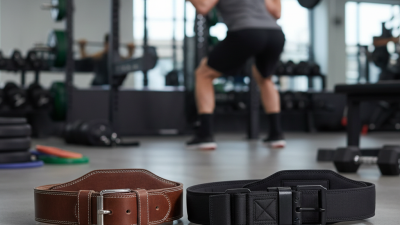
When choosing between leather and synthetic weightlifting belts, several factors come into play. Leather belts are often praised for their durability and timeless appeal. They provide excellent support during heavy lifts. However, they can be stiff and require a break-in period, which can challenge some lifters. Many find that this rigidity can make initial workouts uncomfortable, leading to potential distractions.
On the other hand, synthetic belts are gaining popularity for their flexibility and lightweight design. These belts tend to be ready to use straight out of the box, offering immediate comfort. They often feature moisture-wicking properties, which is great during intense workouts. Yet, their longevity can be a concern. Some lifters report quicker wear and tear compared to leather options. It’s important to consider not only comfort but also the potential trade-offs in durability.
Ultimately, the choice depends on the athlete's needs and preferences. Some lifters appreciate the tradition of leather, while others opt for the modern convenience of synthetic materials. Reflecting on personal experiences and desired outcomes can guide this decision effectively. Each type has its merits and drawbacks, and it is essential to weigh them carefully.
Tips for Proper Use and Maintenance of Weightlifting Belts
Using a leather weightlifting belt can greatly enhance your lifting performance. However, proper use and maintenance are crucial for maximizing its benefits. Begin by ensuring the belt is worn snugly around your waist. It should provide support without restricting your breathing. Proper placement is also vital. Position the belt around your hips, just above the iliac crest. This location provides the best support during heavy lifts.
Maintenance is equally important. Clean your leather belt regularly using a damp cloth. Avoid submerging it in water, as this can damage the leather. You can apply leather conditioner occasionally to keep the material supple. Store the belt in a cool, dry place away from direct sunlight to prevent cracking. Regularly inspect the belt for any signs of wear, such as cracks or fraying. If any issues arise, consider whether the belt is still providing adequate support.
Reflecting on your lifting form can also help ensure you are using the belt effectively. Adjust your belt-tension routine as needed to cater to your lifting progression. Being mindful in these areas can enhance your overall performance.