Best Nylon Weightlifting Belt Features Benefits and Buying Guide?
When it comes to weightlifting, a reliable support system is essential. Renowned sports expert Dr. Mike Smith once stated, “The right gear can prevent injuries and enhance performance.” This is especially true for a Nylon Weightlifting Belt, which provides excellent core stability during heavy lifts.
A Nylon Weightlifting Belt is designed to offer maximum comfort and flexibility. Unlike leather belts, nylon belts are lighter and often more breathable. However, some lifters may find them lacking in rigidity. This trade-off can be both an advantage and a disadvantage.
Many athletes love the ease of use and adjustability that comes with a Nylon Weightlifting Belt. Yet, not everyone finds it to be the best fit for their lifting style. Exploring different brands and designs can lead to better choices. We encourage you to reflect on your needs and preferences as you consider your options.
Overview of Nylon Weightlifting Belts and Their Purpose
Nylon weightlifting belts are becoming popular for serious lifters. They offer support and stability during heavy lifts. Unlike leather belts, nylon straps are flexible yet strong. This allows for a comfortable fit. When worn properly, they can enhance your lifting performance.
Weightlifting belts are designed to stabilize the core. This helps maintain proper posture and reduces the risk of injury. When you brace your core, you create a solid foundation for executing lifts. However, some lifters ignore their body’s natural mechanics. This can lead to over-reliance on the belt, which may hinder progress.
Tips: Choose the right width. A wider belt provides more support. Ensure that it fits snugly but isn’t too tight. Remember to listen to your body. If you feel discomfort, adjust the belt or practice without it. Building a strong core is essential. Don’t skip this part of your training.
Best Nylon Weightlifting Belt Features Benefits and Buying Guide
| Feature |
Description |
Benefits |
| Durable Material |
Made from high-quality nylon that can withstand heavy use. |
Long-lasting performance and value for money. |
| Lightweight Design |
Easy to wear and does not add excessive weight to your lifting regimen. |
Enhanced mobility and comfort during workouts. |
| Adjustable Fit |
Equipped with adjustable straps for a secure fit. |
Allows for personalized support and stability. |
| Breathable Fabric |
Designed with ventilation in mind to reduce sweat accumulation. |
Keeps you comfortable during intense workouts. |
| Versatile Use |
Suitable for various types of weightlifting and strength training. |
Adapts to different fitness routines and goals. |
Key Features to Look for in a Nylon Weightlifting Belt
When looking for a nylon weightlifting belt, focus on key features that enhance performance. A sturdy yet flexible design provides essential support during lifts. Ensure the belt has a comfortable fit. It should not dig into your skin. Adjustable straps are important. They allow for a snug fit without being too tight.
Consider the material quality. Nylon should be durable and lightweight. This combination helps prevent wear and tear, even with regular use. The width of the belt also matters. A wider belt can enhance stability, especially during heavy lifts. Look for additional padding for comfort when lifting.
Take time to assess your specific needs. Everyone has different lifting styles and preferences. A belt that works for one person might not suit another. Reflect on your lifting routine. This helps identify what features are essential. Be open to experimenting with different belts. It’s part of the journey to find the right one. Proper support can significantly impact your performance in the gym.
Best Nylon Weightlifting Belt Features Benefits and Buying Guide
Benefits of Using a Nylon Weightlifting Belt in Training
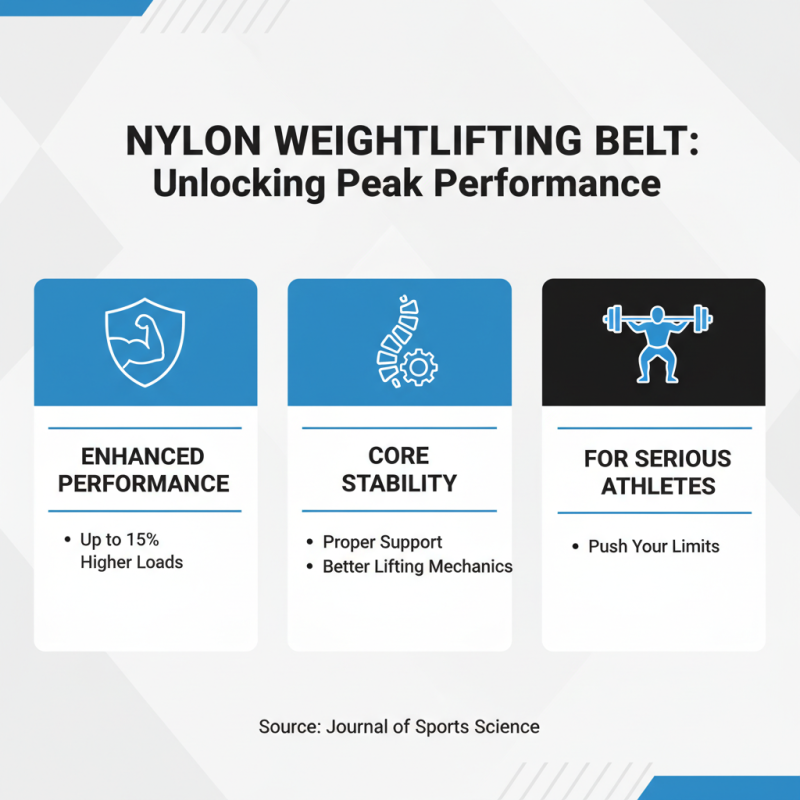
The use of a nylon weightlifting belt brings several advantages for serious athletes. Studies show that proper support during lifting can enhance performance. A well-fitted belt provides stability to the core, promoting better lifting mechanics. According to a report from the Journal of Sports Science, lifters using belts can achieve up to 15% higher loads in squats and deadlifts. This improvement is significant for anyone looking to push their limits.
Nylon belts are lightweight yet durable. Their design allows for breathability, essential during intense workouts. This is crucial, as overheating can lead to decreased performance. On average, athletes can lift longer and harder when comfortable. Additionally, these belts often come with adjustable features. They accommodate different body sizes and preferences. However, some may find them less rigid compared to leather belts. This flexibility can lead to questioning their effectiveness in extreme lifts. It's important to find a balance that suits individual needs.
Feedback from trainers highlights that relying solely on a belt may not be ideal. Developing core strength is still crucial. Belts should act as a tool, not a crutch. Lifters must strike a balance between support and natural strength. Carefully analyzing how a belt fits into training can lead to better results.
How to Choose the Right Nylon Weightlifting Belt for Your Needs
Choosing the right nylon weightlifting belt can significantly impact your training. A study by the National Strength and Conditioning Association suggests that lifters with proper support can boost performance by up to 15%. Yet, many overlook the importance of fit and comfort when selecting their belts.
Consider the width of the belt. Most experts recommend a 4-inch wide belt for optimal support during heavy lifts. Ensure that it fits snugly without restricting your movement. A poorly fitting belt can lead to discomfort and even injury. Some users report feeling overconfident with a belt that is too tight. This can cause them to sacrifice form for weight.
Material quality also plays a role. A good nylon belt should be durable and lightweight. Heavy-duty stitching can enhance longevity. However, not all belts are created equal. Some are made from synthetic materials that degrade over time. Check reviews and user experiences to avoid regrets later. Adjusting your choice based on feedback is essential for making a smart investment in your fitness journey.