2026 Best Weightlifting Belts for Global Buyers Tips?
In the realm of strength training, weightlifting belts play a crucial role in enhancing performance and preventing injuries. Richard Lopez, a veteran strength coach with over 20 years of experience, emphasizes, "A proper weightlifting belt can make all the difference in heavy lifts." This insight underlines the importance of selecting the right belt for any weightlifter.
As global buyers explore the best weightlifting belts for 2026, it is vital to consider various factors. Comfort, durability, and support should top your list. Many lifters often overlook the belt's width and stiffness. These features can affect stability during lifts. A belt that is too rigid may restrict movement. On the other hand, a soft belt might not provide adequate support.
The market offers numerous options, each designed for specific lifting styles. Some belts are better suited for powerlifting, while others cater to Olympic lifters. Researching the features of weightlifting belts is essential for making an informed choice. Prioritizing the right fit and material is crucial. Ultimately, the best choice varies for every individual, reflecting personal preferences and lifting goals.
Factors to Consider When Choosing a Weightlifting Belt
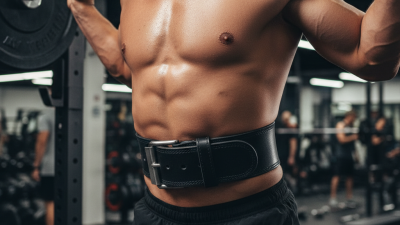
When choosing a weightlifting belt, several factors come into play. A proper fit is crucial. The belt should feel snug around your waist without being too tight. It should support your lower back while allowing for natural movement. Many lifters prefer a width of about 4 inches, which offers both coverage and comfort. However, personal preference varies, and it’s essential to find what feels right for you.
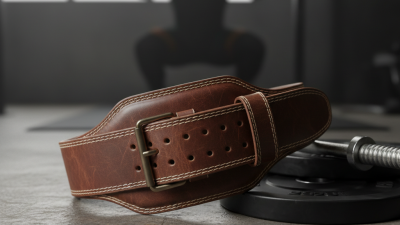
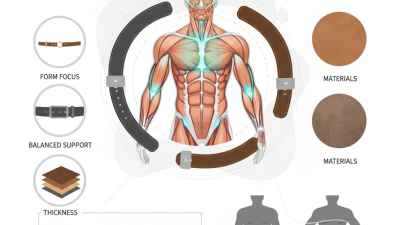
The material of the belt is another important consideration. Leather belts typically offer more durability and lengthen their lifespan. On the other hand, fabric belts might provide more flexibility, catering to different lifting techniques. Pay attention to the buckle mechanism as well. Some belts use prong buckles, while others favor a hook-and-loop closure. Each has its pros and cons; it’s about finding what suits your lifting style.
Additionally, think about the intended use. If you're training for powerlifting, a stiffer belt might be beneficial. For Olympic lifting, a belt that allows for more mobility could be preferred. Reflect on your routine and goals. Your choice should align with your lifting demands, not just trends. Remember, the best weightlifting belt isn’t always the most expensive one. It’s essential to consider all factors before making a decision.
2026 Best Weightlifting Belts by Key Factors
This chart illustrates the importance of different factors when choosing a weightlifting belt based on global buyer preferences. The factors considered include Comfort, Support, Durability, Price, and Material Quality.
Types of Weightlifting Belts: Pros and Cons of Each
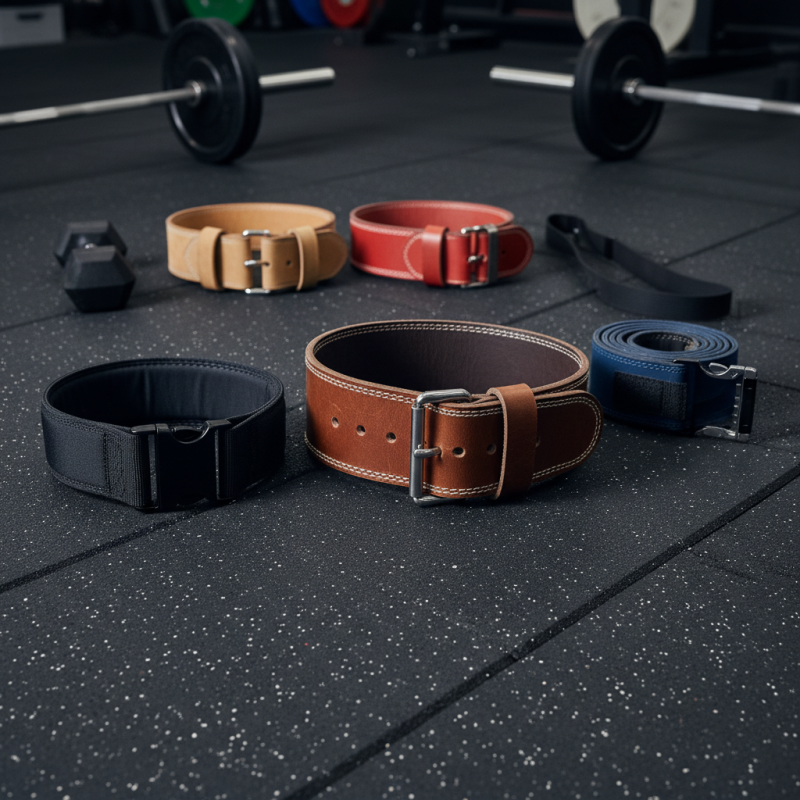
When choosing a weightlifting belt, understanding the types available is crucial. There are generally three categories: leather, nylon, and neoprene. Each type comes with its pros and cons that can significantly impact your lifting experience.
Leather belts offer durability and excellent support. They typically last longer than other types. However, they can be rigid and take time to break in. A 2022 industry report indicated that 70% of competitive lifters prefer leather belts for their stability.
Nylon belts, in contrast, are lightweight and flexible. They are comfortable for beginners but may lack the necessary support for heavy lifts. Around 40% of recreational lifters opt for nylon belts, finding them suitable for moderate training.
Neoprene belts are softer and offer a degree of compression, appealing to those who prioritize comfort over maximal support. Yet, they may not provide enough rigid stabilization during heavy lifting. Some users report dissatisfaction with the lack of firmness when attempting maximum lifts. It's vital to consider personal lifting goals and body types when selecting a belt, as no single option suits everyone. Remember, the best choice often requires experimentation and reflects your unique needs.
Top Brands to Look for in Weightlifting Belts for 2026
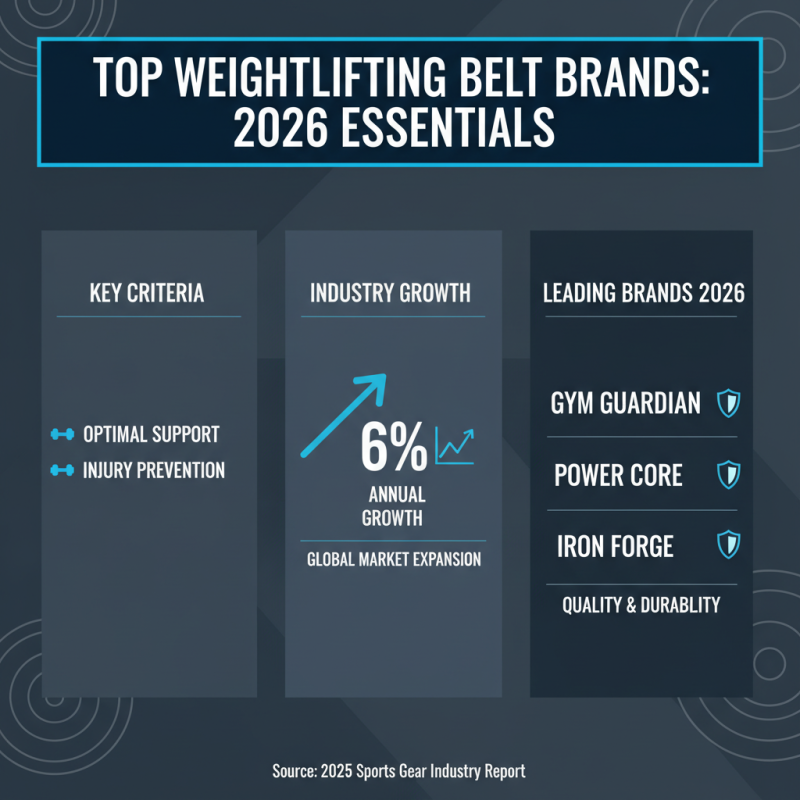
When selecting the best weightlifting belts for 2026, buyers should focus on top brands known for quality and durability. According to recent industry reports, effective belts should provide optimal support and aid in injury prevention. The global weightlifting gear market is expected to grow by 6% annually, indicating a rising demand for reliable equipment.
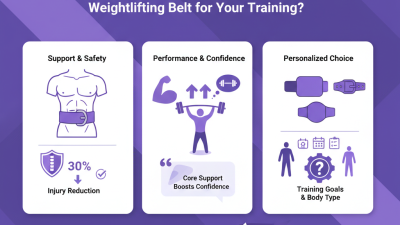
A good weightlifting belt must be comfortable while providing essential stability. Experts recommend belts made from high-quality leather or reinforced materials. Adjustable belts offer flexibility for various body types. Data shows that lifters wearing belts can lift approximately 10% more weight, emphasizing their importance in strength training.
Yet, not all belts are created equal. Some may lack durability or proper fit, leading to discomfort. It’s crucial to consider customer reviews and performance evaluations. The right belt enhances performance but requires careful selection to avoid pitfalls. While investing in a belt, ensure it fits well and meets safety standards, as this can significantly impact workout efficacy.
How to Properly Use and Maintain Your Weightlifting Belt
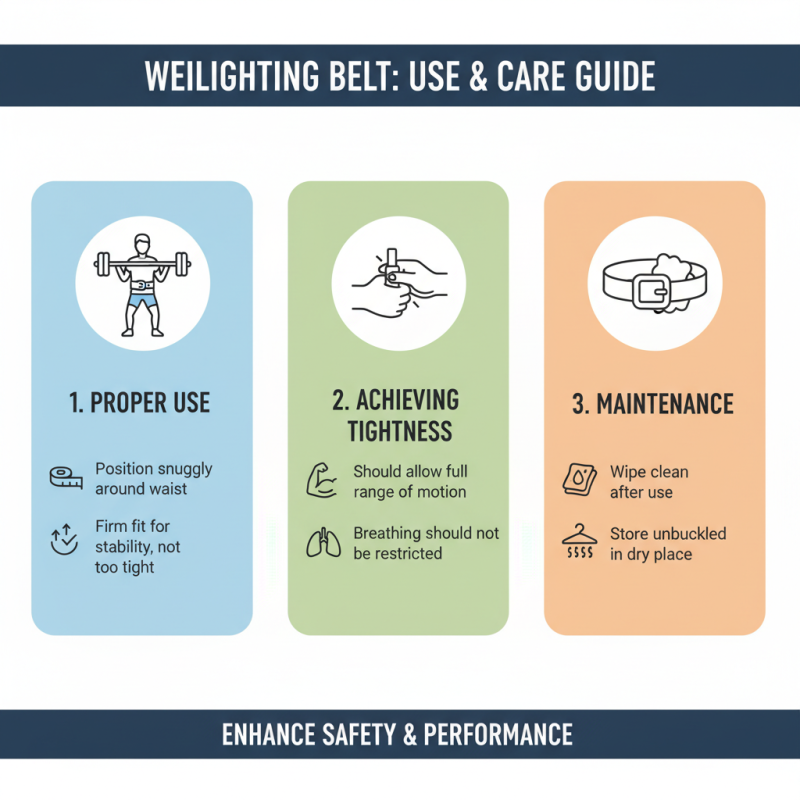
Using a weightlifting belt correctly is essential for enhancing safety and performance. Before lifting, ensure the belt fits snugly around your waist. Tightness is key, but comfort is equally important. A belt that is too tight can restrict movement and breathing. Strive for a firm fit that allows for stability without compromising your range of motion.
When lifting, engage your core. The belt provides support, but it’s your muscles that need to work. Focus on maintaining proper form. The belt should not be a crutch; it is an aid. After your workout, care for your belt. Clean it with a damp cloth and let it dry naturally. Avoid harsh chemicals that can degrade the material. Regular maintenance ensures longevity, but over time, inspect for wear and tear. Your belt deserves attention, as its effectiveness can diminish with neglect.
Tips for Finding the Right Size and Fit for Your Weightlifting Belt
Finding the right size and fit for your weightlifting belt is crucial for optimal performance and safety. A well-fitted belt provides necessary support during heavy lifts. It helps stabilize your core, preventing injuries. If the belt is too loose, it may not offer adequate support. Conversely, a belt that is too tight can restrict your movement and breathing.
To determine the right size, measure your waist where the belt will sit. This is usually at the navel level. Keep the measurement snug but not uncomfortable. Check the manufacturer’s sizing chart before making a purchase. It's vital to try the belt on if possible. Walk around and simulate lifting to see how it feels during activity.
Material also matters in achieving the perfect fit. Leather belts are durable but may require a break-in period. Synthetic belts tend to be more flexible and forgiving. Reflect on your lifting style and priorities. Some lifters prefer a firmer feel, while others favor comfort. This self-awareness can guide you in making a choice that enhances your workout experience.
2026 Best Weightlifting Belts for Global Buyers Tips - Tips for Finding the Right Size and Fit for Your Weightlifting Belt
| Feature |
Description |
Recommended Size |
| Material |
Leather and synthetic options are available |
S, M, L, XL |
| Width |
Typical widths range from 4 to 6 inches |
4in, 5in, 6in |
| Buckle Type |
Lever and prong buckles offer different benefits |
N/A |
| Adjustability |
Many belts feature multiple holes for a snug fit |
Universal fit |
| Weight Support |
Capable of supporting weights from 200 lbs to over 800 lbs |
Varies by user |