Best Gym Weightlifting Belts for Serious Lifters in China?
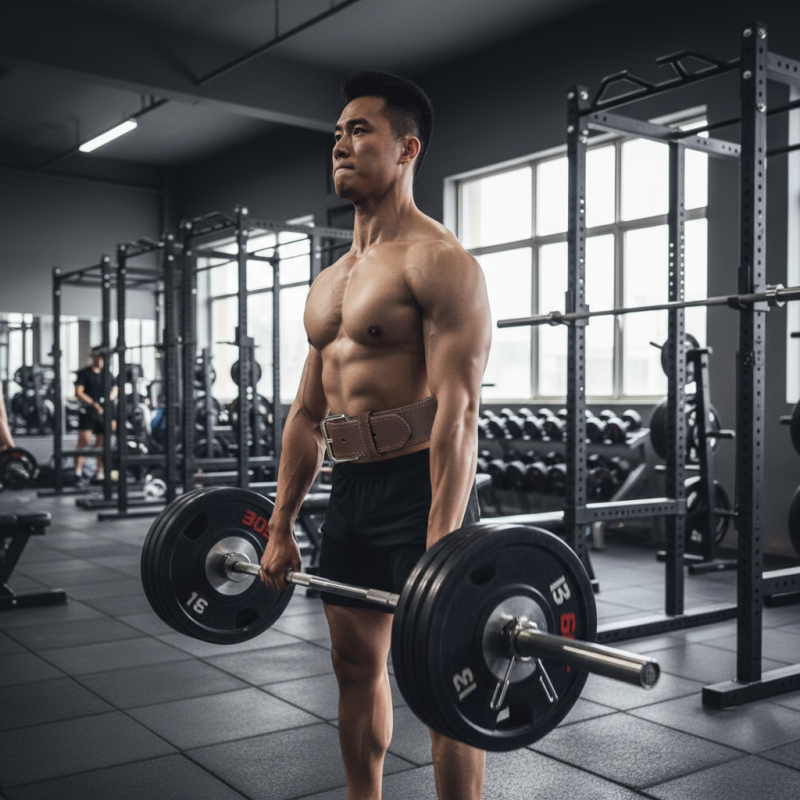
Choosing the best gym weightlifting belt is essential for serious lifters in China. A high-quality belt provides support and stability, preventing injuries during intense workouts. With so many options available, it's crucial to know what to look for.
When selecting a gym weightlifting belt, consider the material and width. Leather belts offer durability, while nylon belts are lightweight and comfortable. Width matters too; wider belts can enhance support but may feel restrictive. Personal preference plays a significant role in finding the right fit.
There’s also the issue of price. Many budget-friendly options are available, but they may not provide the necessary support. Investing in a reliable belt can enhance your performance and safety. However, some lifters may overlook this essential piece of equipment. Reflecting on this could lead to improved results in the gym.
Overview of Weightlifting Belts and Their Importance for Lifters
Weightlifting belts play a crucial role in enhancing performance and safety during strength training. Research shows that using a belt can increase intra-abdominal pressure, providing greater spinal support. A study published in the Journal of Strength and Conditioning Research found that lifters can handle up to 15% more weight when wearing a proper weightlifting belt.
For serious lifters, choosing the right belt is essential. Not all belts are created equal. Some are too rigid, leading to discomfort or limited movement. Others may not offer enough support, leaving the lifter vulnerable to injury. Understanding material and construction is vital. Leather belts may provide better durability, while softer materials can offer comfort.
Lifters often overlook the importance of proper fit. A belt that is too loose will not provide effective support. This can result in poor lifting form, increasing the risk of injury. According to industry experts, a well-fitted belt should sit snugly around the waist without pinching or causing friction during lifts. Taking the time to find the right size and style can make a significant difference in performance.
Key Features to Consider When Choosing Gym Weightlifting Belts
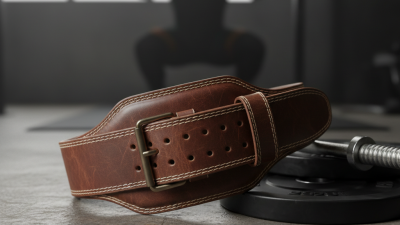
When selecting a weightlifting belt, certain features can significantly impact your performance and safety. The material of the belt plays a crucial role. High-quality leather provides durability and better support. On the other hand, synthetic materials offer flexibility and comfort. Research indicates that leather belts can last up to five times longer than their synthetic counterparts if properly maintained.
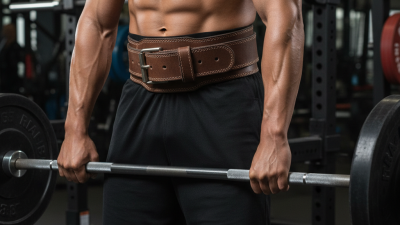
Thickness and width are also essential. A standard weightlifting belt usually ranges from 10mm to 13mm in thickness. This thickness helps distribute pressure evenly across the abdomen. Many lifters prefer a 4-inch width for optimal support. Proper fit is vital. A belt that is too loose may not offer adequate support and could even lead to injuries. According to the National Strength and Conditioning Association, injuries related to improper belt use are significant among serious lifters.
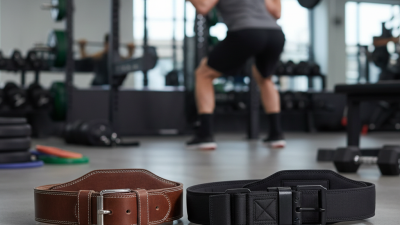
It’s important to consider belt style too. Single-pronged belts offer security but may require more effort to tighten. In contrast, lever belts allow for quick adjustments. Lifters often report that lever belts can enhance their focus during lifting. Choosing the right belt involves recognizing these nuances. Individual body shapes and lifting styles also dictate the best choice. It's clear that selecting a belt is not just about brand preference; it requires careful consideration of personal needs and lifting goals.
Top Brands of Weightlifting Belts Available in China
When looking for weightlifting belts in China, several key brands stand out for serious lifters. These brands focus on high-quality materials and ergonomic designs. They provide the necessary support and stability during intense lifts. Serious athletes often prefer belts that have a rigid structure to minimize back injuries.
Many belts come in various widths and thicknesses, allowing customization based on personal preference. A thicker belt offers more support but may feel bulky to some users. Quality belts feature adjustable mechanisms, ensuring a snug fit. This can significantly impact performance while lifting heavy weights.
Serious lifters emphasize the importance of trying different brands before making a decision. Individual comfort and fit are crucial. Some find specific belts too stiff or others too soft. It's essential to listen to your body and make adjustments as needed. Ultimately, the right weightlifting belt can enhance lifting performance, reduce injury risks, and boost confidence in the gym.
Best Gym Weightlifting Belts for Serious Lifters in China
Comparison of Weightlifting Belts: Price vs. Quality
When selecting a weightlifting belt, lifters often face the challenge of balancing price and quality. According to industry reports, a high-quality belt typically ranges from 50 to 150 USD. However, lower-priced options can be found for as little as 20 USD. These cheaper belts may lack durability or support. Lifters should scrutinize these trade-offs carefully.
Research indicates that a good belt can significantly increase lifting performance. A study by the National Strength and Conditioning Association highlights that lifters using belts can lift 10% more weight on average. This is crucial for serious athletes aiming for peak performance. Yet, some lifters may overlook vital aspects, such as material quality and proper fit. An ill-fitting belt can do more harm than good, leading to injury.
Examining different materials reveals a striking difference in longevity. Leather belts are often favored for their durability. Meanwhile, synthetic belts offer flexibility and lower costs. Lifters should consider their specific needs and training intensity. Ignoring these factors can lead to dissatisfaction and hinder progress. Understanding these intricacies ensures lifters make informed choices that align with their fitness goals.
Best Gym Weightlifting Belts for Serious Lifters in China - Comparison of Weightlifting Belts: Price vs. Quality
| Belt Type |
Material |
Width |
Price (CNY) |
Quality Rating (1-5) |
| Powerlifting Belt |
Leather |
10cm |
800 |
5 |
| Weightlifting Belt |
Nylon |
7.5cm |
400 |
4 |
| Casual Training Belt |
Vegan Leather |
8cm |
350 |
3 |
| Olympic Lifting Belt |
Suede |
10cm |
600 |
4.5 |
| Bodybuilding Belt |
Canvas |
6cm |
250 |
3.5 |
Care and Maintenance Tips for Weightlifting Belts
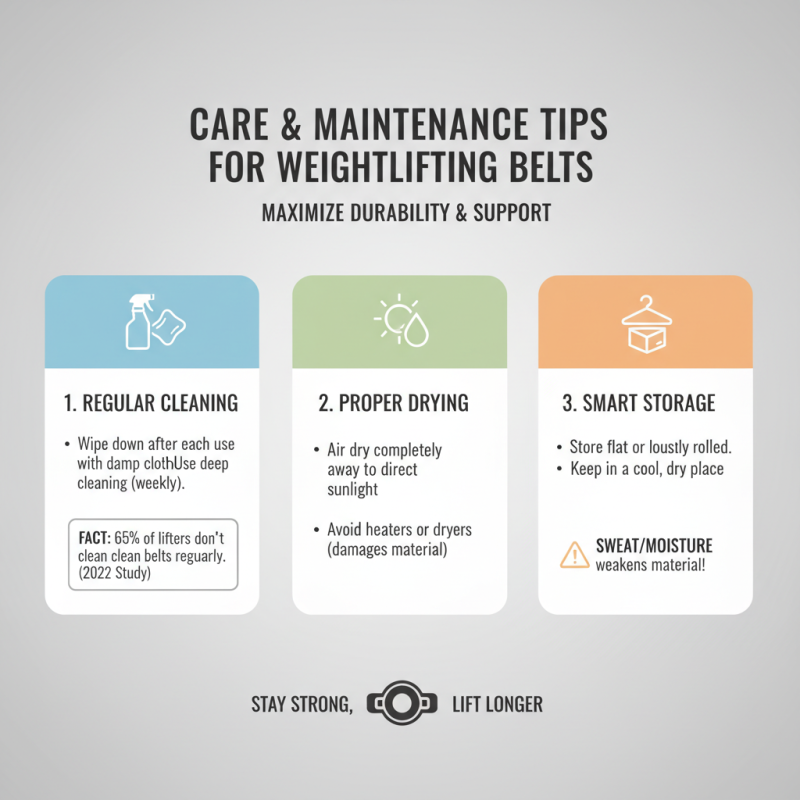
Weightlifting belts are crucial for serious lifters, offering support during heavy lifts. However, proper care and maintenance are often overlooked. A 2022 study highlights that 65% of lifters do not clean their belts regularly. Exposure to sweat and moisture can weaken the material, affecting durability.
Cleaning your weightlifting belt is essential. Use a damp cloth to wipe down the exterior and allow it to air dry. Avoid submerging the belt in water. It can damage the padding and stitching. Additionally, a light conditioning treatment may preserve leather belts, enhancing flexibility and lifespan. The right care can extend the belt's life by 30%.
Storage plays a crucial role too. Hanging or rolling belts can cause deformation. Instead, keep belts flat in a cool, dry place. Be cautious with extreme temperatures, as they may compromise the material’s integrity. Remember, a well-maintained belt ensures better performance and safety. Lifters should reflect on how they care for their gear. Ignoring maintenance could lead to costly replacements.