How to Choose the Best Gym Fitness Belt for Your Workout Needs
Choosing the right equipment can significantly impact your workout experience, and one crucial accessory many fitness enthusiasts consider is the Gym Fitness Belt. Designed to enhance performance and provide vital support during various exercises, a quality fitness belt can help you lift heavier, maintain proper form, and avoid injuries. With numerous options available on the market, selecting the best Gym Fitness Belt tailored to your specific needs can seem daunting.
In this article, we will explore essential factors to consider when choosing a Gym Fitness Belt, such as material, width, support, and comfort. Whether you are a beginner looking to improve your strength training or an experienced athlete aiming for optimal performance, understanding these aspects will help you make an informed decision. By aligning the features of a Gym Fitness Belt with your workout requirements, you can elevate your training, gain confidence in your lifts, and achieve your fitness goals more effectively.
Understanding the Importance of a Gym Fitness Belt in Workouts
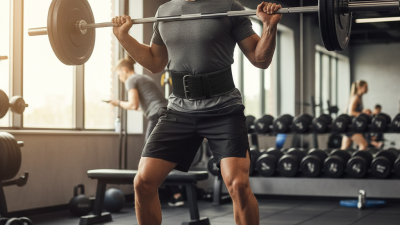
A gym fitness belt is an essential accessory for anyone serious about their workouts, providing support and stability during a variety of exercises. These belts help to maintain proper posture, especially during heavy lifts, reducing the risk of injury to your lower back. When you engage in exercises like squats, deadlifts, or overhead presses, a good fitness belt can create intra-abdominal pressure, which stabilizes your spine and allows you to perform better.
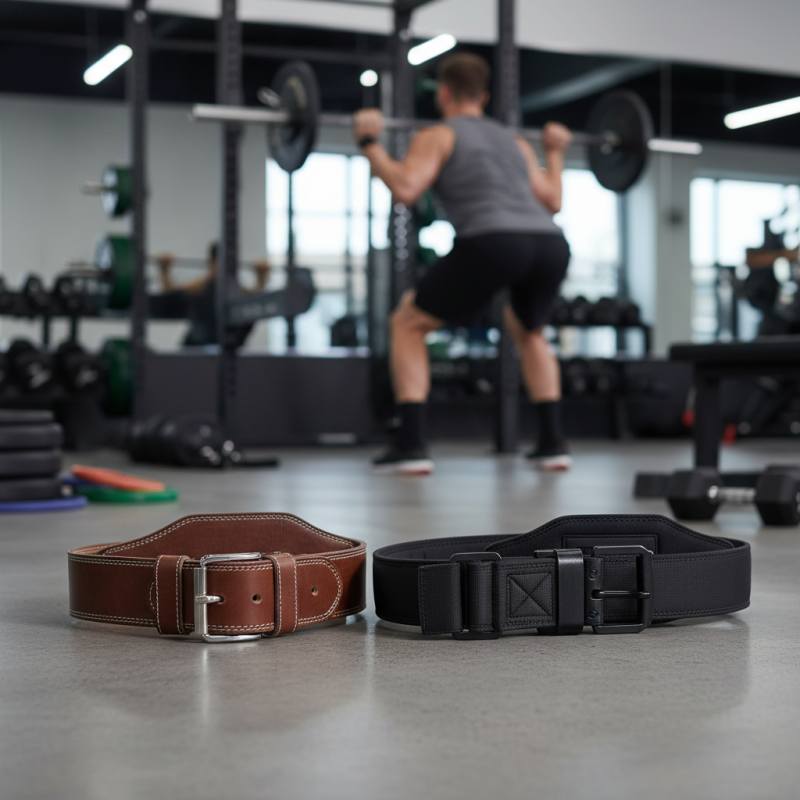
Tips for choosing the right gym fitness belt include assessing the material and width that best suits your needs. Leather belts tend to provide excellent support and durability but may require a break-in period. On the other hand, nylon belts can be more comfortable for prolonged wear and offer flexibility during dynamic movements. Additionally, ensure that the belt fits snugly without restricting your mobility; this will help you to maintain comfort throughout your workout.
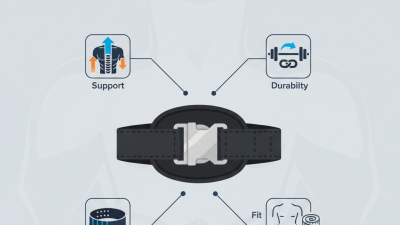
It's also crucial to consider the buckle type and ease of adjustment. A good buckle ensures a secure fit, allowing you to focus on your exercise rather than readjusting the belt mid-workout. For those new to using a fitness belt, start with lighter weights to get accustomed to the support it provides before moving on to heavier lifts. This practice can help you maximize the benefits of your fitness belt while minimizing any potential drawbacks.
Identifying Your Workout Type and Fitness Goals
When selecting the best gym fitness belt, it’s crucial to first identify your workout type and fitness goals. Different activities require varying levels of support and features from a fitness belt.
For instance, if your primary focus is weightlifting, you'll need a belt that offers maximum lower back support to stabilize your core during heavy lifts. Look for designs that are wide in the back and taper towards the front, providing both comfort and functionality.
This type of belt will help prevent injuries and improve your performance by maintaining proper posture.
On the other hand, if your workouts involve high-intensity interval training (HIIT) or cardio, you may prioritize flexibility and lightweight options. A belt that is adjustable yet snug can be ideal, allowing for a full range of motion while ensuring your core is engaged.
Additionally, consider your fitness goals; if you aim to enhance endurance, a breathable and moisture-wicking belt can help keep you comfortable during sweat-inducing sessions.
Always take into account the specifics of your training routine to choose a belt that aligns perfectly with your workouts and supports your journey toward achieving your fitness objectives.
Evaluating Different Types of Gym Fitness Belts Available
When evaluating different types of gym fitness belts available, it's crucial to understand the various designs and purposes they serve. Fitness belts generally fall into three primary categories: weightlifting belts, powerlifting belts, and running belts. According to a report from the International Health, Racquet & Sportsclub Association (IHRSA), the global fitness equipment market size reached USD 11.6 billion in 2023, with a significant portion attributed to performance-enhancing accessories like fitness belts. Each type of belt caters to specific workout needs, which can markedly impact performance and safety.
Weightlifting belts are typically made of leather or nylon and provide lumbar support during heavy lifts. Research indicates that using a weightlifting belt can increase intra-abdominal pressure, leading to improved lifting performance for serious strength trainers. Conversely, powerlifting belts are generally wider and thicker, allowing for robust support for squats and deadlifts. A study published in the Journal of Strength and Conditioning Research reveals that athletes using powerlifting belts can lift approximately 10-15% more than without one. On the other hand, running belts are designed to offer comfort and utility, featuring pockets for phones and hydration packs. This versatility is vital, especially since recent fitness trends show a 35% increase in outdoor running participation since 2020.
When selecting a gym fitness belt, it's essential to assess your workout routine and specific needs. A well-suited belt can enhance performance, bolster safety, and provide necessary support, ultimately contributing to better training outcomes.
Key Features to Consider When Choosing a Fitness Belt
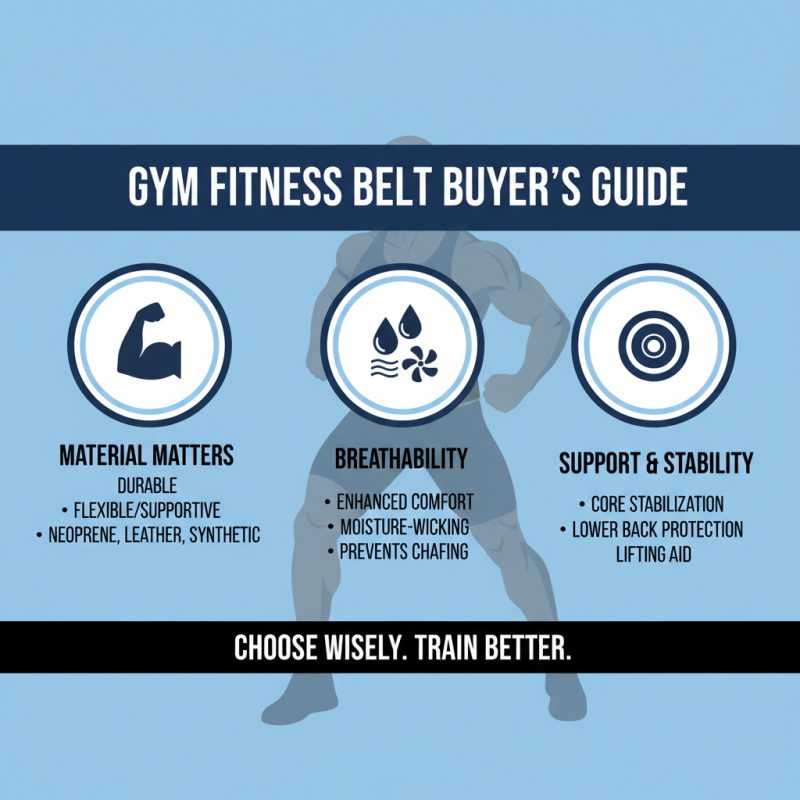
When selecting the right gym fitness belt, several key features should be considered to ensure it meets your workout needs effectively. Firstly, the material of the belt is crucial. Look for belts made from durable, high-quality materials that provide the right balance of flexibility and support. Neoprene, leather, and synthetic fabrics are popular choices, offering varying levels of comfort and robustness. Additionally, breathable materials can enhance comfort during intense workouts, helping to wick away moisture and prevent chafing.
Another important feature to evaluate is the belt's adjustability. A good fitness belt should have a secure yet adjustable fastening system, allowing you to customize the fit according to your body shape and size. This ensures stability during lifts and other movements, reducing the risk of injury. Consider the width and thickness of the belt as well; wider belts often provide better support for the lower back, making them ideal for heavy lifting. Lastly, consider additional features such as padding for extra comfort and the belt's overall aesthetic, which can motivate you to use it regularly. By focusing on these critical features, you can choose a fitness belt that enhances your performance and supports your fitness goals.
Tips for Proper Fit and Usage of Your Gym Fitness Belt
Choosing the right gym fitness belt is crucial for both safety and performance during workouts. When selecting a belt, it’s important to ensure a proper fit. A belt that is too loose can lead to a lack of support, while one that is too tight can hinder your movement and circulation. According to the American Council on Exercise, a fitness belt should sit snugly against your waist without digging into your skin. A good rule of thumb is to be able to fit one or two fingers between your body and the belt. This ensures both comfort and effective support.
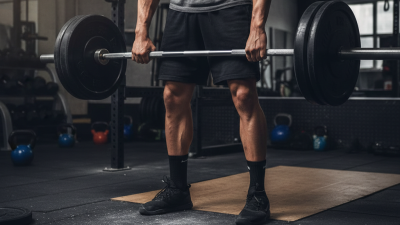
In terms of usage, timing is critical. The National Strength and Conditioning Association recommends using a belt primarily for heavy lifts, such as squats and deadlifts, where intra-abdominal pressure is crucial for stabilization. It can be beneficial to incorporate the belt only during sets that exceed 80% of your one-rep max, as this will promote better core engagement and technique without relying too heavily on the belt itself. Moreover, transitioning in and out of using a belt during different workouts is advised to develop core strength naturally, ensuring that your body remains resilient and adaptable to various lifting conditions.
Gym Fitness Belt Usage by Activity Type