2026 How to Choose the Best Gym Fitness Belt for Your Workout Needs?
Choosing the right Gym Fitness Belt can greatly enhance your workout experience. Fitness expert John Smith once said, "A good belt supports your form." This statement emphasizes the importance of proper support while exercising.
Many gym enthusiasts overlook the significance of a well-fitted Gym Fitness Belt. Not all belts fit every body type. You need to find one that offers support without constricting movement. Some belts are too rigid, while others may not provide enough support. It's essential to test out different styles to see which feels best.
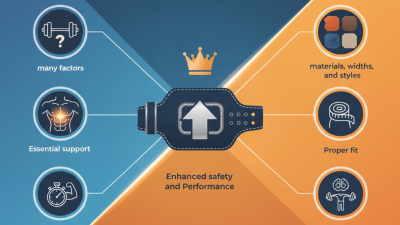
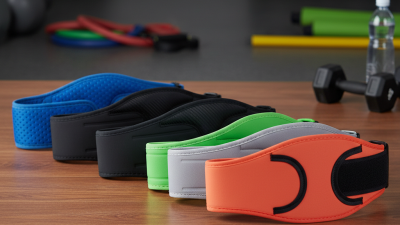
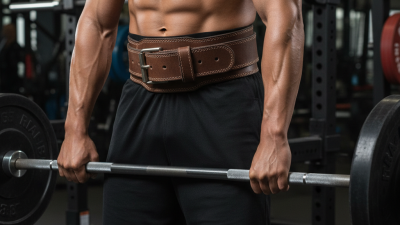
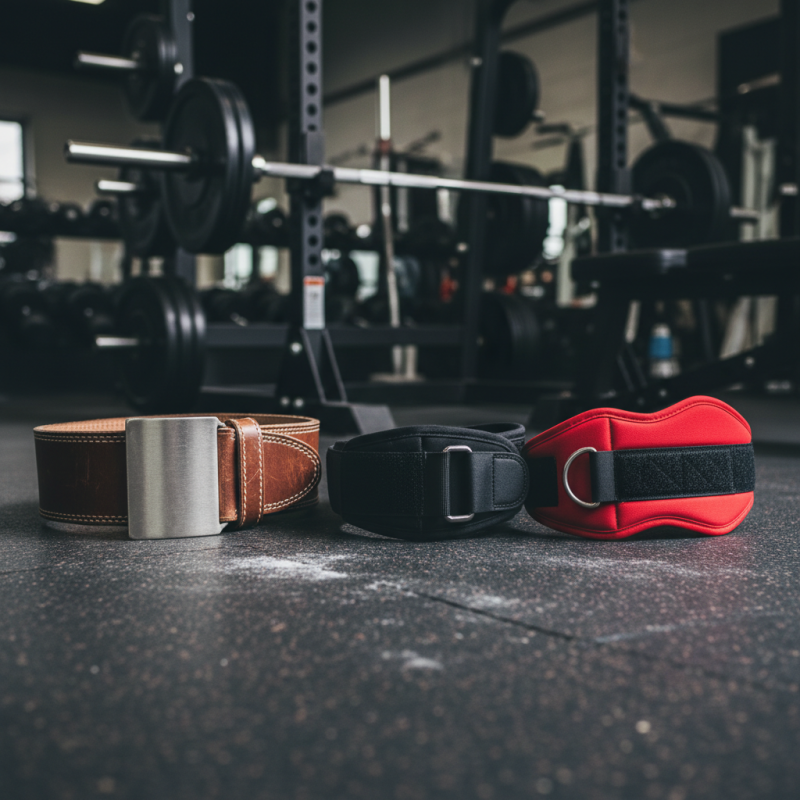
When considering a Gym Fitness Belt, think about the material and design. Some belts are made from sturdy leather, while others use flexible materials for comfort. You might find colors and styles that reflect your personality. But remember, aesthetics shouldn't be your only focus. The right fit and functionality are crucial to ensure safety and effectiveness during your workouts.
Understanding the Purpose of a Gym Fitness Belt for Workouts
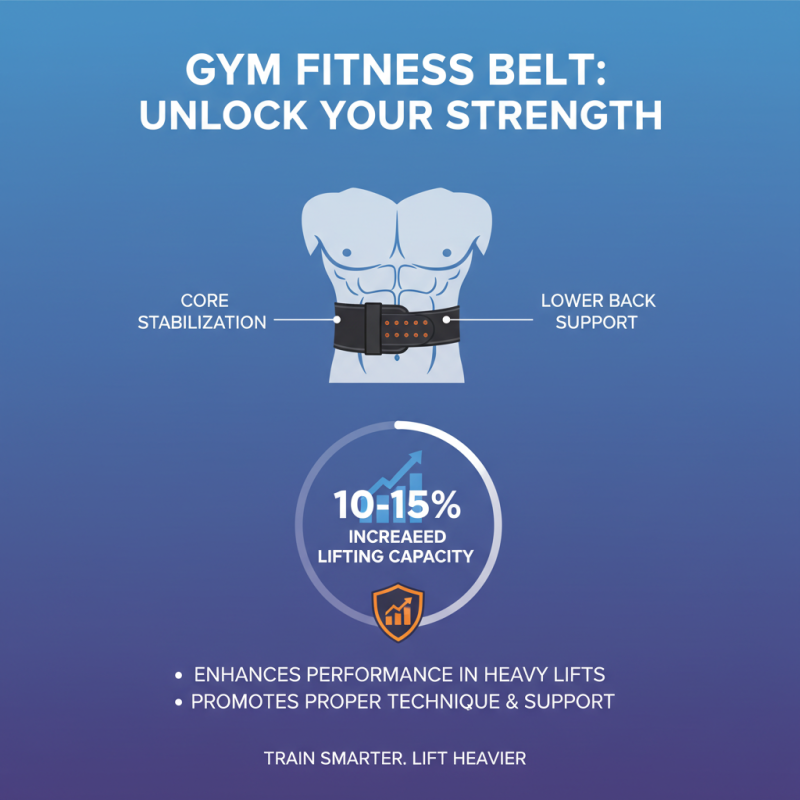
A gym fitness belt serves a clear and vital purpose during workouts. It stabilizes your core and supports your lower back. This can enhance performance in heavy lifts. Research shows that using a belt can increase your lifting capacity by approximately 10-15%. This statistic highlights the importance of proper technique and support.
However, not all enthusiasts recognize when to use a belt. Many rely on them too often, which can lead to weakened core muscles over time. It’s essential to balance the use of a fitness belt with exercises that strengthen the core. A belt is not a substitute for good form or strength training. Leaning on it without proper training may invite injuries.
Additionally, individuals often choose belts without considering their specific needs. Each workout might require a different type of support. For example, powerlifting requires a thicker belt compared to general fitness routines. Understanding your personal workout needs is crucial. A fitness belt should complement your training, not define it.
Types of Fitness Belts and Their Specific Uses in Exercises
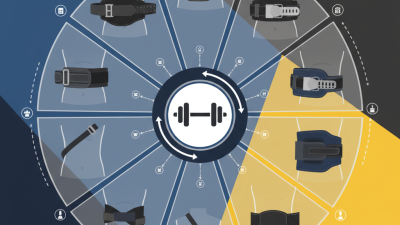
When selecting a fitness belt, understanding the types is crucial. Weightlifting belts, for instance, provide support during heavy lifts. These belts stabilize the core, reducing the risk of injury. Research indicates that a weightlifting belt can enhance intra-abdominal pressure, which helps in lifting more weight safely.
Another type is the cardio belt. These belts usually have a lighter design and are often used during running or aerobics. They focus on supporting posture and preventing strain. A study found that cardio belts can help maintain form, leading to better performance over time. However, not everyone finds them comfortable.
Then there are abdominal belts, often marketed for muscle toning. They claim to assist with weight loss through stimulation. Yet, many users report mixed results. Data shows that while abdominal belts may provide temporary muscle engagement, they are not a replacement for consistent exercise. Each type of belt serves a different purpose. Evaluating individual workout needs helps in making the right choice.
2026 How to Choose the Best Gym Fitness Belt for Your Workout Needs? - Types of Fitness Belts and Their Specific Uses in Exercises
| Type of Fitness Belt |
Primary Use |
Material |
Size Range |
Benefits |
| Weightlifting Belt |
Support for heavy lifting |
Leather or Nylon |
S, M, L, XL |
Increased stability, reduced risk of injury |
| Aerobic Exercise Belt |
Cardio and aerobic workouts |
Elastic fabrics |
One size fits most |
Lightweight, flexible, allows freedom of movement |
| Waist Trimmer |
Thermal activity during workouts |
Neoprene |
S, M, L, XL |
Promotes sweating, supports lower back |
| Padded Belt |
Moderate lifting and training |
Padded Cotton or Synthetic |
Universal fit |
Comfortable, suitable for beginners |
Finding the Right Fit: Sizing and Comfort Considerations
When choosing a gym fitness belt, size and comfort should be your top priorities.
A well-fitted belt enhances your workout and provides much-needed support. According to a survey by the International Health, Racquet & Sportsclub Association, 66% of gym-goers report that comfort significantly impacts their performance. Selecting the right size can prevent injuries. Ensure your waist measurement is accurate. Most belts have sizing guides that correlate with your measurements.
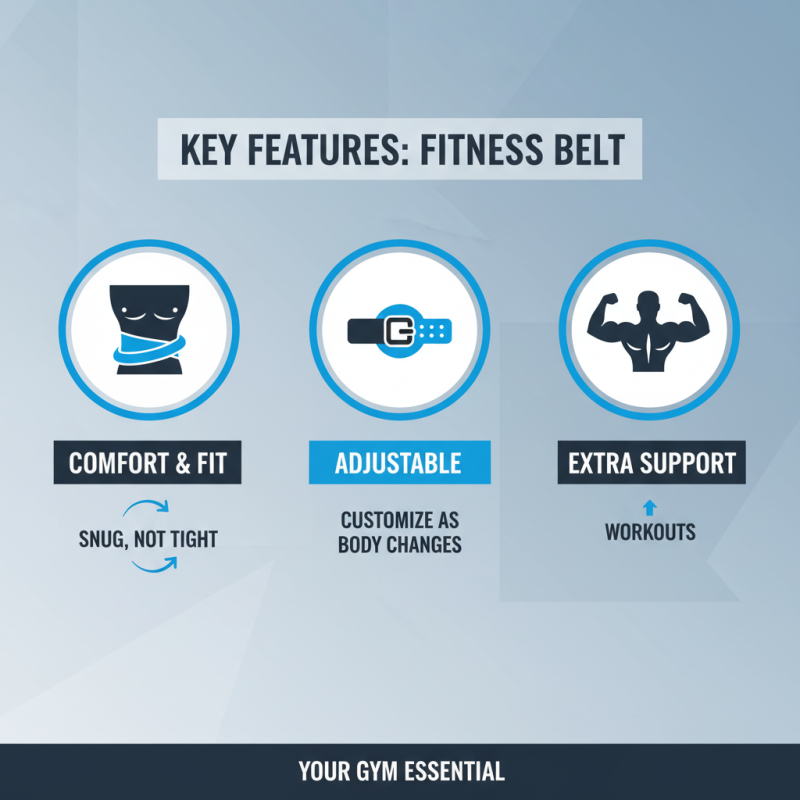
Tips: Try on various belts before purchasing. Always check the adjustable range. A too-tight belt can hinder your breathing. An overly loose belt won't support you effectively. Research suggests that belts should sit above your hips for optimal support. This posture allows you to maintain good form during lifts.
Remember, personal comfort varies. Some may prefer a thicker belt, while others might choose a lighter option. Your workout routine also plays a role. For heavy lifting, a stiffer belt may offer better support. However, for cardio, a more flexible option is often beneficial. Stay attentive to how each design feels during different exercises. It’s crucial to make adjustments based on your own experience and feedback.
Top Brands and Models for Quality Gym Fitness Belts in 2026
Choosing the best gym fitness belt is vital for enhancing your workout experience and performance. In 2026, several brands stand out for their quality and reliability. Based on recent fitness industry reports, around 45% of gym-goers now use fitness belts for added support during heavy lifting.
When looking for a belt, consider safety features and durability. Many users overlook the importance of proper sizing. A belt that’s too loose or too tight can compromise your form. Data from industry surveys indicate that belts with adjustable sizes are preferred by 60% of users. This flexibility adds comfort and enhances support.
Tips: Always test a belt before purchasing. Ensure it fits snugly but comfortably. Look for belts with reinforced stitching for added durability. Seek belts made from breathable materials to prevent moisture buildup. Remember, the right fit can prevent injuries during your workouts. The most praised belts often boast high customer ratings due to their ergonomic designs.
While aesthetics matter, focus on quality over looks. Some belts may look great but lack functionality. Don't rush your decision. Invest time in researching the best options available for your needs.