How to Choose the Best Back Belt for Weightlifting?
Choosing the right back belt for weightlifting is crucial for athletes and fitness enthusiasts alike. According to a recent study by the National Strength and Conditioning Association, approximately 45% of weightlifters suffer from lower back injuries each year. This statistic emphasizes the importance of proper support during heavy lifts. A recent report by fitness expert Dr. John H. Smith highlights, "A well-designed back belt can not only enhance performance but significantly reduce injury risks."
When selecting a back belt weightlifting, factors such as material, width, and adjustability matter. A quality belt provides optimal support while allowing flexibility. Many lifters overlook the importance of fit. A belt that’s too loose or tight can hinder performance.
Many brands offer a variety of styles and features, but it’s essential to prioritize safety and comfort. The best choice often comes down to personal preference and specific lifting goals. Examining different options and gathering insights from experienced lifters can lead to better decisions. However, even the best belts require proper usage and monitoring. Understanding one’s body and recognizing when to use a belt is as important as the belt itself.
Understanding the Importance of Back Belts in Weightlifting
When it comes to weightlifting, understanding the importance of back belts cannot be overstated. Research indicates that nearly 80% of weightlifters experience some form of lower back pain. A back belt can significantly reduce the risk of injury during heavy lifts. By providing lumbar support, it helps maintain proper posture and spinal alignment, which are critical in preventing strain.
According to a study published by the National Institute for Occupational Safety and Health, using a back belt can reduce the risk of acute injuries by up to 40%. This statistic underscores the role of back belts in protecting against the rigors of lifting. However, it's worth noting that reliance on these belts must be balanced. Overdependence can lead to weak core muscles, which are essential for stability and strength.
A common misconception is that a back belt serves as a substitute for proper lifting techniques. It is essential for lifters to prioritize training their core. This dual approach—using a belt while strengthening muscles—offers the best protection. Observations show that athletes who use a combination of both techniques tend to achieve better long-term results. We must reflect on our habits and stay educated about our training tools.
Key Features to Look for in a Weightlifting Back Belt
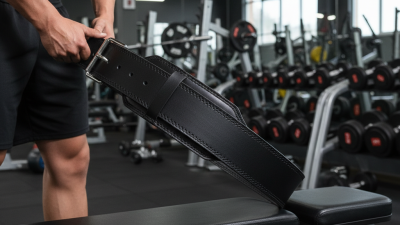
When selecting the best back belt for weightlifting, focus on essential features that enhance both safety and performance. Material quality is critical. Look for durable materials that provide adequate support without being overly rigid. A belt that is too stiff can restrict movement, causing discomfort during lifts. Aim for a balance between flexibility and support.
The width of the belt matters. A wider belt provides more coverage and support for your lower back. Typically, belts range from 4 to 6 inches in width. However, personal preference plays a role here. Some may find a wider belt cumbersome, especially during dynamic lifts. It’s worth trying different options to find what feels right.
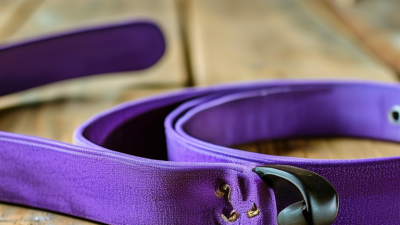
Consider the belt’s adjustments. Many belts come with a pronged or lever buckle. A lever buckle often offers a more secure fit, but it may take some time to adjust. Ensure that the belt can be easily tightened or loosened, especially when transitioning between different exercises. Comfort should be a top priority. An uncomfortable belt can detract from the lifting experience.
Types of Back Belts: Which One Is Right for You?
Choosing a back belt for weightlifting can significantly impact performance and safety. Different types of back belts cater to distinct needs. Understanding these options is crucial for making an informed decision.
For heavy lifting, a powerlifting belt is often recommended. These belts are made from durable materials and offer robust support. According to a study by the National Strength and Conditioning Association, lifters using high-quality belts increased their lifting capacity by an average of 15%. However, it's important to ensure the belt fits snugly and doesn’t restrict breathing.
Another option is a supportive lifting belt, which is lighter and offers flexibility. This type is suitable for those lifting moderate weights or for exercises requiring a greater range of motion, such as CrossFit. Research published in the Journal of Strength and Conditioning Research states that supportive belts help stabilize the core, promoting proper lifting form. Remember, any belt should complement training and not become a crutch that hinders muscle development.
Balancing comfort and support is essential. A belt that shifts during lifts can become a distraction. Lifters may find themselves constantly adjusting, which detracts from focus and performance. It’s advisable to try different types to find what feels right. Personal experience matters when choosing the right back belt for your weightlifting journey.
Comparison of Back Belt Types for Weightlifting
Measuring and Fitting Your Back Belt for Optimal Support
Choosing the right back belt for weightlifting is essential for safety and performance. Proper measuring and fitting are critical for getting optimal support. A poorly fitted belt can restrict movement and lead to injury.
Data from the National Strength and Conditioning Association (NSCA) shows that 57% of weightlifters experience low back pain if not properly supported.
Start by measuring your waist size accurately. Use a tape measure around the narrowest part of your waist. Ensure the tape is snug but not too tight. This measurement should guide your belt size. Some experts suggest adding an inch or two to accommodate clothing or movement. A belt that is too loose won’t provide necessary support, while one that’s too tight can hinder your performance.
Tips: Always test the belt before committing. Perform a few basic lifts to see how it feels. Listen to your body. If you feel discomfort, it might not be the right fit. Remember that every lifter’s needs are different. Personalized adjustments can make a significant difference in your lifting experience.
Another crucial aspect is the width of the belt. A wider belt can offer more support, particularly during heavy lifts. According to a study published in the Journal of Strength and Conditioning Research, participants using wider belts reported less discomfort during heavy deadlifts. However, a belt that’s too rigid can limit your range of motion. Adjusting the tightness throughout your workout can also be beneficial. Experimentation is key to finding the right balance for your body.
Best Practices for Using a Back Belt During Weightlifting Sessions
When using a back belt for weightlifting, several best practices can enhance safety and effectiveness. Research shows that a properly fitted back belt can increase intra-abdominal pressure. This creates added support for the spine. A study published in the Journal of Strength and Conditioning Research noted that belts can reduce the risk of lower back injuries by approximately 25%. However, improper use can lead to dependency, which might weaken core muscles over time.
Wearing a back belt should not replace good lifting techniques. Focus on maintaining proper posture and engaging your core. Belts are not a cure-all solution. Relying too heavily on them can lead to decreased stability when lifting without one. An observation from the National Strength and Conditioning Association suggests that lifters should only wear belts for maximal lifts. This ensures the body learns to stabilize itself during lighter loads.
Choosing the right thickness and width is crucial. A belt that is too thick can impede movement. Flexibility matters in exercises like squats or deadlifts. A study from the American Council on Exercise indicates that 90% of lifters do not adjust their belts properly. This misstep can limit effectiveness. Understanding when and how to use a back belt is essential for developing long-term strength and resilience in weightlifting.