2026 How to Choose the Best Gym Fitness Belt for Your Workout Goals?
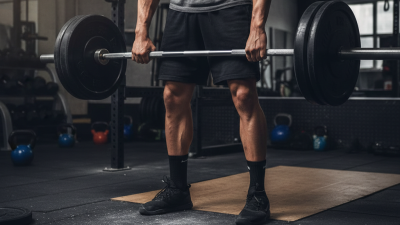
Choosing the right Gym Fitness Belt can significantly impact your workout effectiveness. A well-selected belt offers support, enhances form, and helps prevent injury. However, not all belts are created equal, and finding the one that suits your needs requires careful consideration.
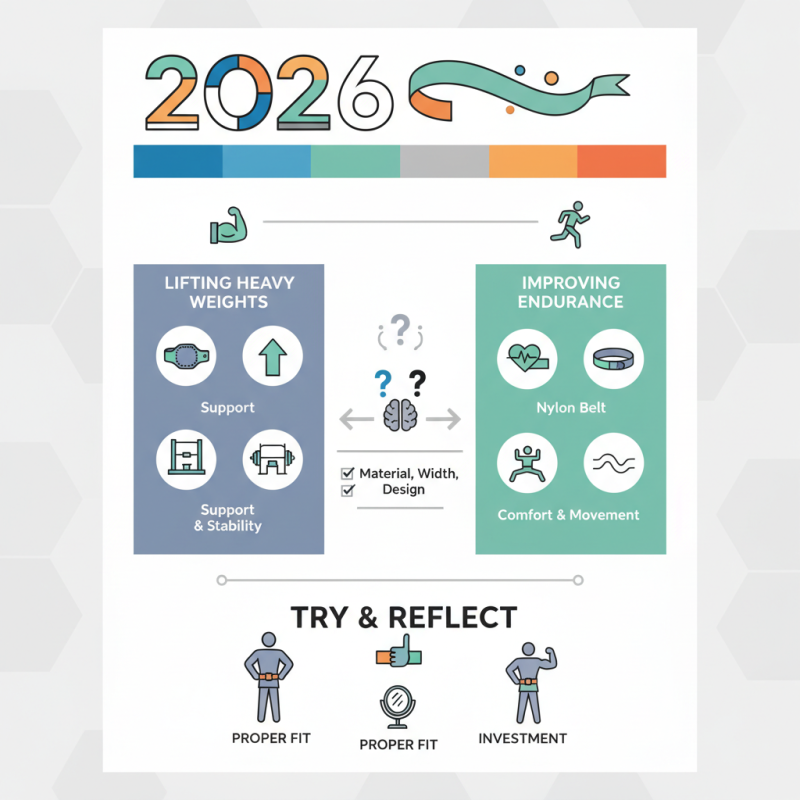
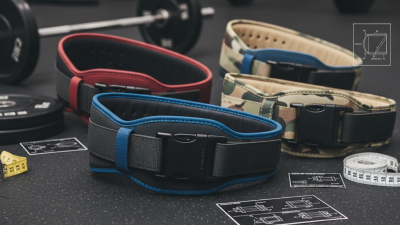
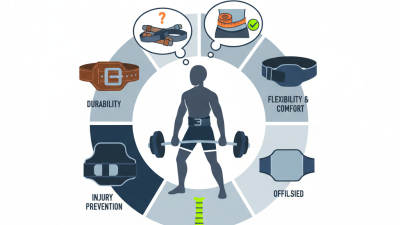
When assessing options, think about your fitness goals. Do you focus on lifting heavy weights or improving endurance? Each goal may require a different type of Gym Fitness Belt. The material, width, and design can also influence comfort and performance during various exercises. Be mindful of these factors when making your choice.
It's easy to overlook the importance of proper fit. An ill-fitting belt can hinder your workouts and lead to discomfort. Take the time to try different brands and styles. Reflect on what works best for you to ensure a reliable investment in your fitness journey.
Understanding the Different Types of Gym Fitness Belts Available
When exploring gym fitness belts, it's crucial to understand their types.
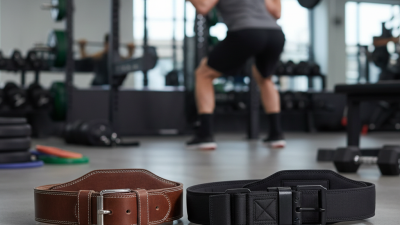
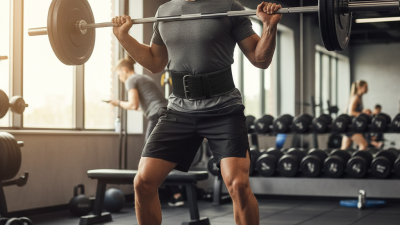
Lifting belts provide strong support during heavy weightlifting.
They help stabilize the core and prevent injuries. If you’re into powerlifting or bodybuilding,
a durable lifting belt is ideal. These belts often have a thicker structure, giving you the confidence to push your limits.
Another option is the cardio belt. This type is lighter and often made from flexible materials.
It’s suitable for activities like running or cycling.
These belts may not offer as much back support but enhance comfort during movement.
A cardio belt can help keep your body aligned and secure during your workout.
Consider the fit of any belt you choose. A belt that’s too loose may not protect you effectively.
Conversely, a tight belt can limit your movement. Test various sizes to find one that feels snug yet comfortable.
Reflecting on your workout goals can guide you in selecting the best type.
Each belt serves a unique purpose, dictating the level of support you really need.
Identifying Your Specific Workout Goals and Needs
When selecting a gym fitness belt, identifying your specific workout goals is crucial. Are you focusing on weightlifting, cardio, or functional training? Each discipline demands a different type of support. For instance, powerlifting often requires a sturdier belt to stabilize the spine. Conversely, a lighter belt may suffice for cardio activities that do not involve heavy lifting.
Understanding your body type also plays a role. If you have a wider waist or larger muscle mass, ensure the belt is adjustable and fits snugly. Avoid belts that are too tight, as they can cause discomfort and limit movement. You might even find that you appreciate a belt with extra padding for long sessions.
Reflect on your routines and challenges. Have you felt a lack of support during max lifts? Or perhaps you've noticed discomfort when engaging in high-intensity workouts. These reflections can guide you toward the right belt. Focus on your unique needs and experiences to find a fitness belt that truly enhances your workout, rather than just following trends. Experiment with different options, and don't hesitate to reassess your choice as your training evolves.
2026 How to Choose the Best Gym Fitness Belt for Your Workout Goals?
| Workout Goal |
Recommended Belt Type |
Material |
Width |
Support Level |
| Heavy Lifting |
Weightlifting Belt |
Leather / Nylon |
4 in |
High |
| Endurance Training |
Aerobics Belt |
Neoprene |
3 in |
Moderate |
| CrossFit |
Versatile Fitness Belt |
Fabric |
4 in |
High |
| Core Strengthening |
Support Belt |
Elastic |
6 in |
Medium |
| General Fitness |
Standard Fitness Belt |
Polyester |
3 in |
Low |
Evaluating Belt Materials for Durability and Comfort
When selecting a gym fitness belt, the material plays a crucial role in ensuring durability and comfort. Many belts use leather, nylon, or neoprene. According to industry reports, leather belts are known for their robust construction, resisting wear over time. However, they may lack flexibility, impacting comfort during workouts. On the other hand, synthetic materials like nylon offer excellent resilience and can stretch, providing both support and comfort.
The breathability of a belt’s material also affects user experience. A belt that traps heat can lead to discomfort, especially during intense workouts. Research highlights that athletes prefer lighter, breathable fabrics that wick moisture away from the body. This choice can enhance performance, allowing for longer and more effective training sessions. Yet, cheaper synthetic materials might wear out faster, causing users to reconsider their investment for the long term.
While comfort and durability are essential, it’s also important to reflect on personal workout goals. A weightlifting belt should ideally offer support without being restrictive. Some users report difficulty in finding a balance; a too-tight belt can hinder movement. Therefore, understanding personal needs is key in making the right choice.
Determining the Right Size and Fit for Your Gym Belt
When selecting a gym fitness belt, proper sizing and fit are crucial for maximizing performance. Studies show that a well-fitted belt can improve lifting mechanics, reducing the risk of injury during high-intensity workouts. According to the National Strength and Conditioning Association, belts should fit snugly around the waist without causing pinching or discomfort. This is vital, as excessive slack can lead to unstable lifts.
To determine the right size, measure your waist at the narrowest point. Many brands recommend going a size up from your pant size for a more comfortable fit. Fitness professionals suggest that belts should not exceed two inches in width for support. The balance between support and mobility is essential. Some users find that overly rigid belts may restrict movement, leading to poor technique.
Many lifters overlook how personal preference plays a role in fit. A belt that feels good during regular workouts may not be suitable for all exercises. It’s important to reflect on how a belt interacts with different movements. Testing different sizes and styles in the gym can provide valuable feedback. This hands-on experience will enhance your performance and training outcomes.
2026 Gym Fitness Belt Size and Fit Comparison
This chart illustrates the recommended size ranges (in inches) for gym fitness belts based on waist measurements. Choosing the right size ensures optimal performance and comfort during workouts.