How to Choose the Best Leather Weightlifting Belt for You?
Choosing the right Leather Weightlifting Belt can significantly enhance your lifting experience. According to a report by the National Strength and Conditioning Association (NSCA), lifters using quality belts often demonstrate increased performance and reduced injury rates. Industry expert Dr. Maria Johnson, a recognized leader in strength training research, emphasizes, "The right leather belt provides essential support for serious lifters."
Each belt varies in width, thickness, and material quality. A well-chosen belt can improve core stability, which is crucial for heavy lifts like squats and deadlifts. However, not all belts are created equal. Lifters sometimes gamble on affordability rather than durability. This can lead to disappointing performance and a lack of confidence in their gear.
Understanding your personal lifting style is key. A belt that is perfect for one lifter might not suit another. Factors like body type and lifting goals should influence your choice. Just remember, a Leather Weightlifting Belt is an investment in your strength training journey. Balancing comfort, support, and functionality is essential for optimal results. Reflect on your priorities when making your selection.
Understanding the Importance of a Weightlifting Belt for Your Training
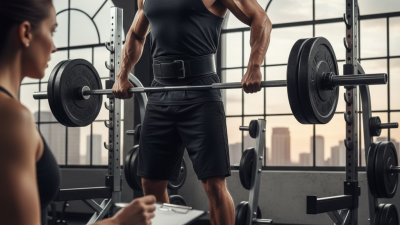
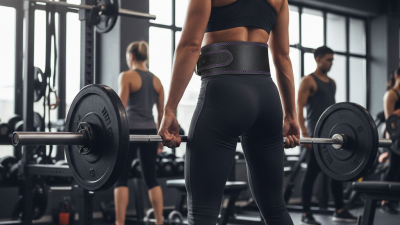
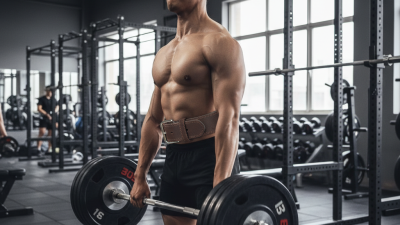
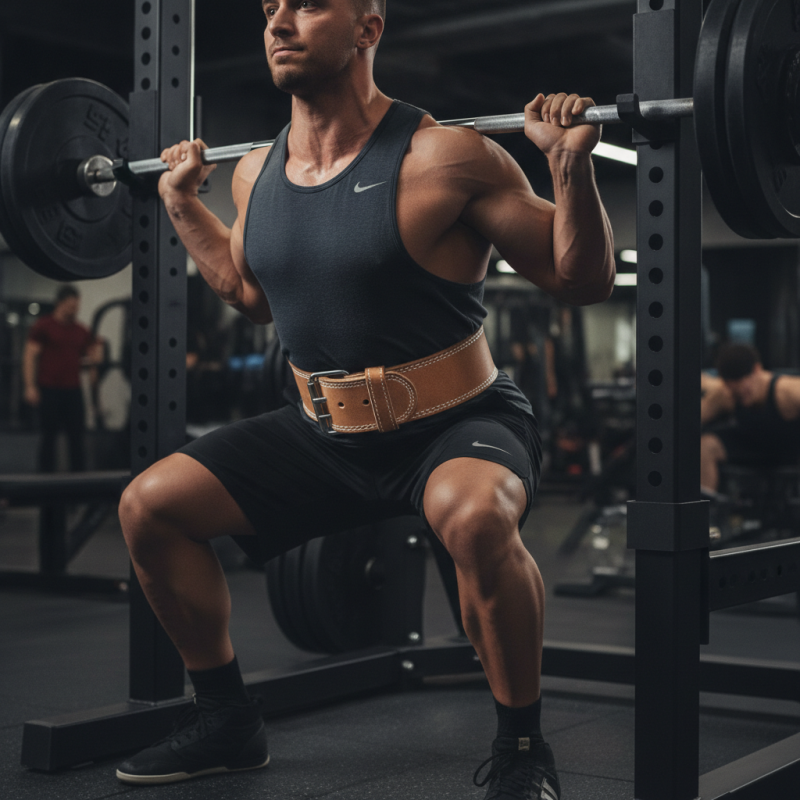
A weightlifting belt is more than just an accessory. It plays a crucial role in stabilizing your core. This is vital when lifting heavy weights. Proper support can help prevent injuries and enhance performance. A well-fitted belt increases intra-abdominal pressure, which protects your spine. This is especially important during squats and deadlifts.
Choosing the right belt requires some thought. The material, width, and fit can significantly impact your training. Consider how the belt feels during movement. A tight fit may provide more support, but it can also restrict movement. Experimenting with different styles helps in finding what works best for you.
Many lifters overlook the importance of a belt until they experience discomfort. We often focus on weight, not on technique. Ignoring proper support can lead to setbacks. Take time to evaluate how a belt fits into your routine. It might improve your lifts, but it must align with your training goals.
Key Features to Consider When Choosing a Leather Weightlifting Belt
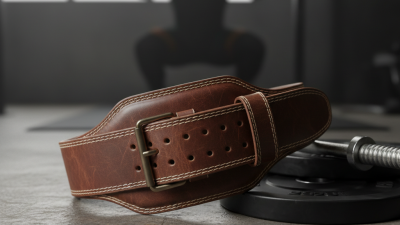
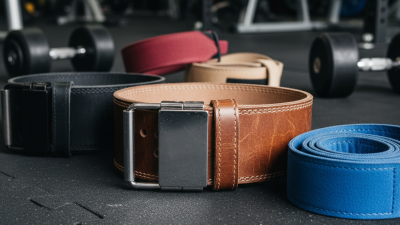
When choosing a leather weightlifting belt, several key features need to be considered. The belt's width is essential for providing adequate support. Typically, belts are 4 inches wide, which offers stability while allowing enough movement. However, some lifters prefer belts that are 3 inches wide for flexibility. The thickness of the leather is another crucial factor. A belt that's too thick can restrict movement, while a thinner one may not provide enough support. A common thickness is around 10mm, striking a balance between comfort and durability.
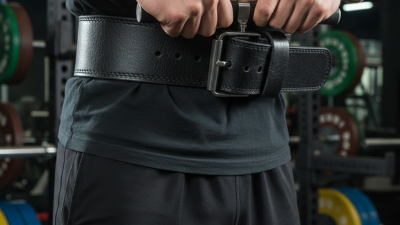
The type of buckle also plays a significant role. A lever buckle offers quick adjustments, while a pronged buckle allows for a customized fit. Studies show that belts with lever buckles are preferred by competitive lifters for their ease of use. Consider the stitching quality as well; double stitching typically enhances durability under heavy loads.
Tip: Always check the belt's fit. A well-fitted belt should be snug but not overly tight. Overly tight belts can restrict breathing and movement, reducing performance. Try the belt on with your lifting gear to ensure it won’t hinder your technique.
Lastly, pay attention to the material's quality. Genuine leather can offer superior strength. Be wary of synthetic options that may fray or break easily. Your belt is an investment, and a high-quality leather belt will serve you well over time.
How to Choose the Best Leather Weightlifting Belt for You? - Key Features to Consider When Choosing a Leather Weightlifting Belt
| Feature |
Description |
Importance |
| Material Quality |
Top grain leather provides durability and support. |
High |
| Width |
Typical widths range from 4" to 6". Wider belts provide more support. |
Medium |
| Thickness |
Commonly 10mm or 13mm; thicker belts offer better support for heavy lifting. |
High |
| Buckle Type |
Single prong, double prong, or lever; each offers different levels of adjustment and ease of use. |
Medium |
| Fit and Sizing |
Proper fit is crucial for effectiveness and safety; check size charts carefully. |
High |
| Price |
Prices can vary significantly; ensure it fits your budget while meeting quality needs. |
Medium |
| Brand Reputation |
Research brands for quality assurance and customer satisfaction. |
Medium |
Different Types of Leather and Their Impact on Belt Performance
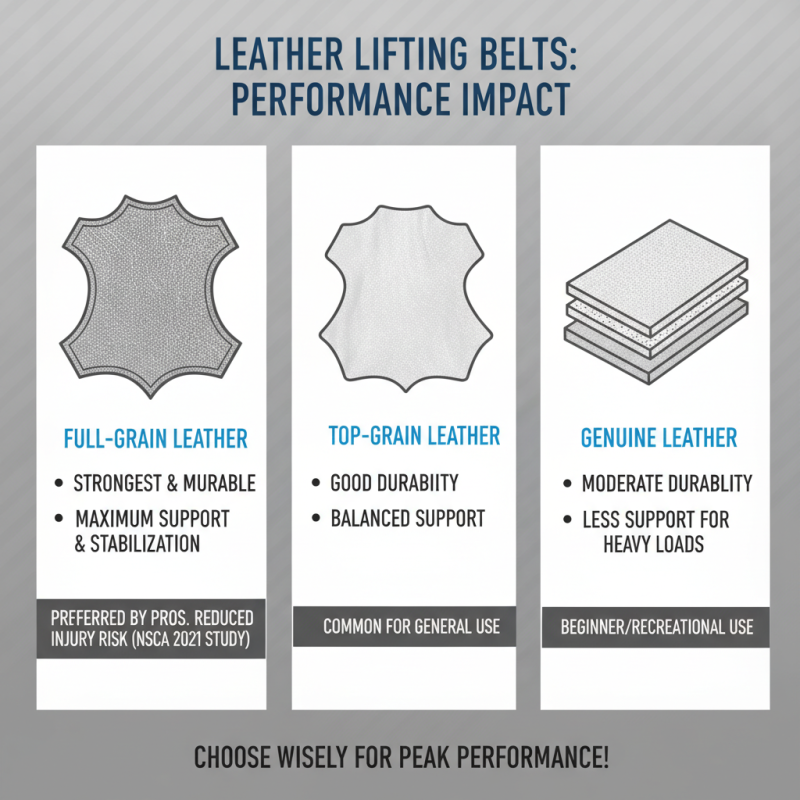
When selecting a leather weightlifting belt, understanding the different types of leather can significantly affect your performance. Full-grain leather belts, for example, are made from the strongest part of the hide. They offer excellent durability and support. This type of leather can withstand heavy loads and is often preferred by serious lifters. According to a 2021 study by the National Strength and Conditioning Association, athletes using full-grain belts reported improved stabilization and reduced injury rates.
On the other hand, top-grain leather is a more refined option. It is softer and more flexible, which may appeal to novice lifters or those engaged in lighter lifting. However, its durability may not match that of full-grain leather. A survey conducted by Strength Research Institute found that 50% of beginner lifters opted for top-grain leather, citing comfort as their priority. This choice often leads to short-term satisfaction but may require replacement sooner, prompting a reconsideration of long-term goals.
While selecting a belt made from quality leather is essential, customization matters too. Adjustable belts can offer versatility in fit and support. Many users face challenges in finding the right size, which may lead to improper usage. Proper fitting is critical; a belt that is too loose or too tight will not provide the intended benefits. Engaging with experienced lifters or trainers can help navigate these challenges effectively.
Sizing and Fit: How to Measure for the Right Belt Size
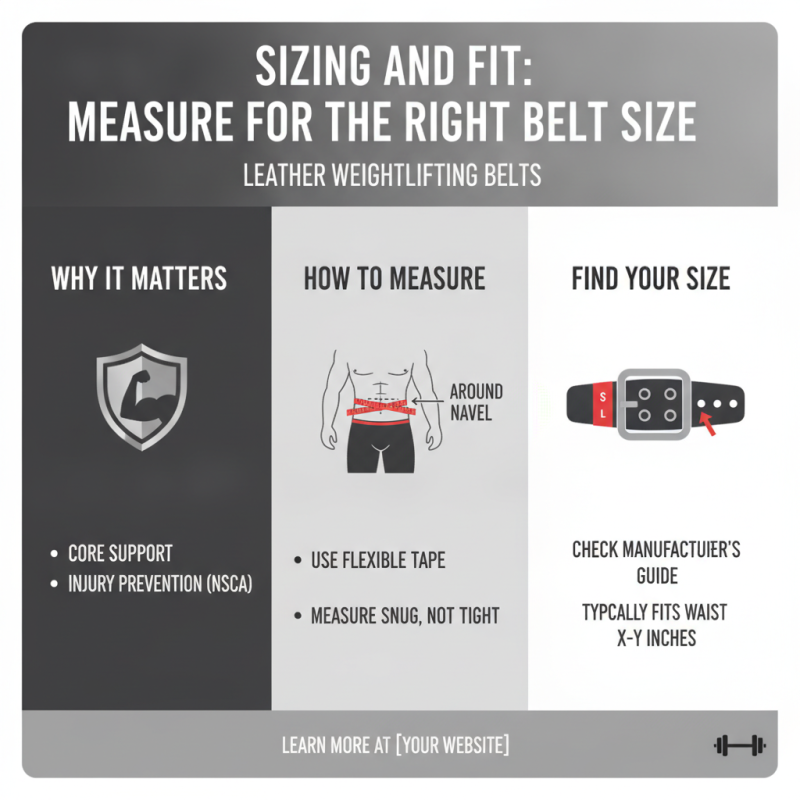
Choosing the right leather weightlifting belt involves understanding your size and fit. Accurate measurements are crucial for effectiveness and comfort during workouts. According to the National Strength and Conditioning Association (NSCA), a well-fitted belt not only supports your core but also prevents injury.
To measure for the correct size, use a flexible tape measure. Wrap it around your waist, just above your hip bones. Ensure the tape is snug but not overly tight. This will give you your base waist measurement. Common size guides suggest adding 2 to 4 inches to this measurement for optimal fit, depending on your body type.
Belt width is another key factor. Standard widths range from 4 to 6 inches. A wider belt offers more support but may restrict breathing. This balance requires personal reflection on your lifting technique and experiences. Some users might find that a thicker belt is uncomfortable, especially during long training sessions. Adjustments might be necessary as your body evolves with fitness routines. Always listen to your body and reconsider your choices for maximum effectiveness.
Maintaining Your Leather Weightlifting Belt for Longevity and Durability
To ensure your leather weightlifting belt lasts, proper maintenance is crucial. Begin with regular cleaning. Wipe down the belt after each use to remove sweat and dirt. A soft cloth or damp sponge can effectively clean the surface. Avoid harsh chemicals that can harm the leather.
Conditioning the belt is equally important. Every few months, apply a leather conditioner. This helps keep the material supple and prevents it from cracking. Don’t overdo it; a little goes a long way.
Store your belt in a cool, dry place when not in use. Avoid folding it to prevent creases. Remember, leather needs air. Placing it in a breathable bag can be beneficial. Assess your belt regularly for signs of wear. If you notice any discrepancies, address them promptly. It’s a constant learning process, and each experience contributes to the longevity of your gear.
Leather Weightlifting Belt Durability Ratings Based on Maintenance