How to Choose the Best Lever Weightlifting Belt for Your Needs
Choosing the right gear for weightlifting is crucial for both performance and safety. Among various options, the Lever Weightlifting Belt stands out. This belt offers exceptional support during heavy lifts. It secures your core and minimizes the risk of injury.
When looking for a Lever Weightlifting Belt, consider the material and fit. Durable leather or high-quality fabric can make a difference. A belt that feels comfortable yet firm is essential. You might find brands that get it right but others may disappoint.
Think about your lifting style as well. A thicker belt may feel restrictive for some lifters. In contrast, others need that extra support. It’s all about what works for you. Delving into user reviews can provide insight. Ultimately, the best Lever Weightlifting Belt aligns with your lifting goals, ensuring safety while maximizing performance.
Understanding the Purpose of a Lever Weightlifting Belt
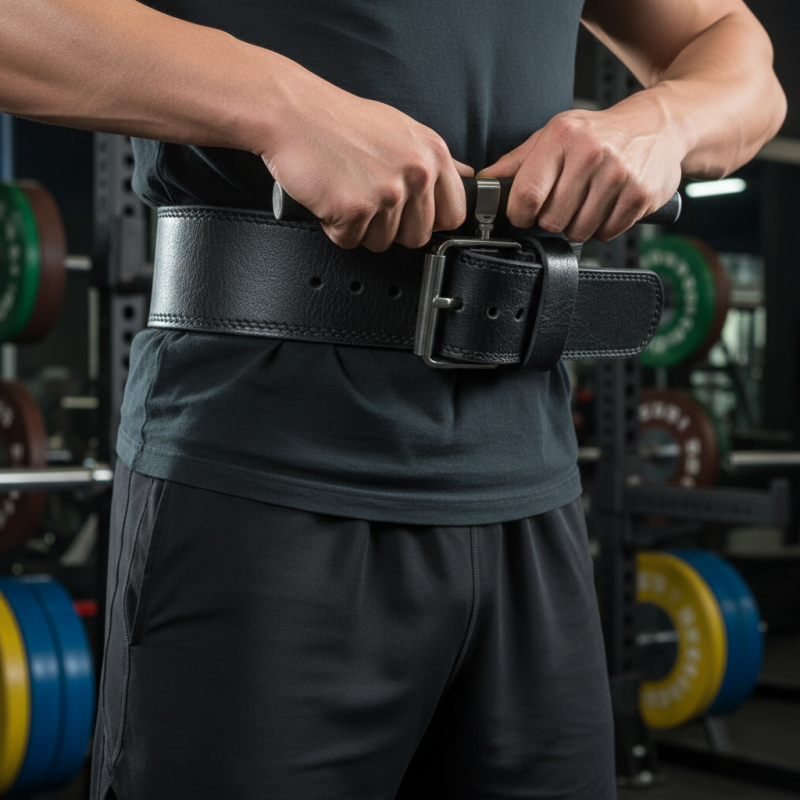
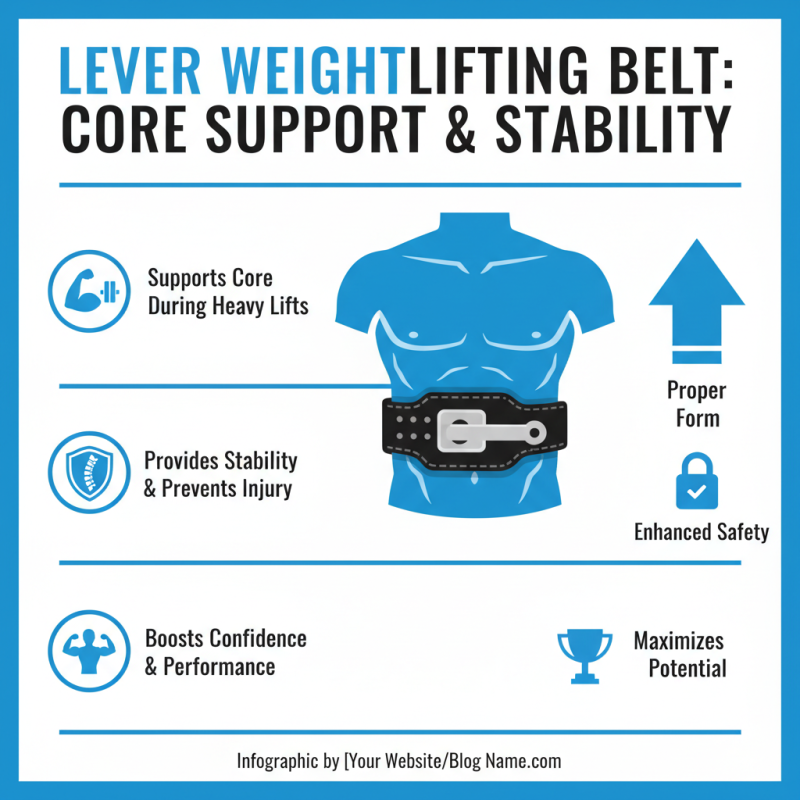
A lever weightlifting belt is designed to support your core during heavy lifts. It offers stability by tightening around your midsection. This helps to prevent injury and maintain proper form. When lifting heavy weights, your body requires extra support. A well-fitted belt can boost confidence and performance.
Choosing the right lever belt is more than just fit. Material matters too. Look for belts made from durable leather or sturdy synthetic materials. The lever system should be easy to adjust but secure enough for intense sessions. You may encounter belts that feel uncomfortable at first. It’s important to try different options before committing.
Many lifters experience discomfort when learning how to use a belt effectively. It’s normal to feel pressure around the waist. However, this pressure should not cause pain. Familiarizing yourself with the right tension and positioning takes practice. A well-chosen lever belt can greatly improve your lifting experience, but finding the best one may require some reflection and experimentation.
Key Features to Consider When Choosing a Lever Weightlifting Belt
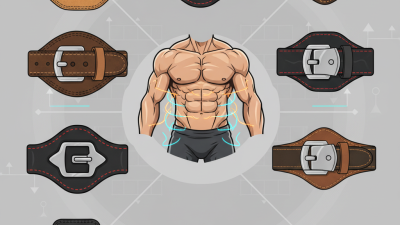
Choosing a lever weightlifting belt requires careful consideration of several key features. The belt’s material is crucial. Leather is durable and offers great support, while synthetic options can be lightweight and comfortable. Each type has its pros and cons. Think about the feel against your skin during lifts. Some belts may dig in uncomfortably.
Width and rigidity also matter. Most belts are four inches wide, providing ample support. However, if you prefer more mobility, look for a thinner option. The lever mechanism should be easy to operate. You want a secure fit, but adjusting it should not be a struggle. Some belts have stiff levers that can frustrate quick changes.
Consider your lifting style too. Powerlifting demands a sturdier belt, while Olympic lifting might benefit from flexibility. Reflect on your own workouts. Do you focus on strength or speed? Sometimes, your choices will reveal gaps in your training. A belt should enhance, not restrict, your movement.
Take time to find the right fit for your unique needs.
Evaluating Size and Fit for Optimal Performance
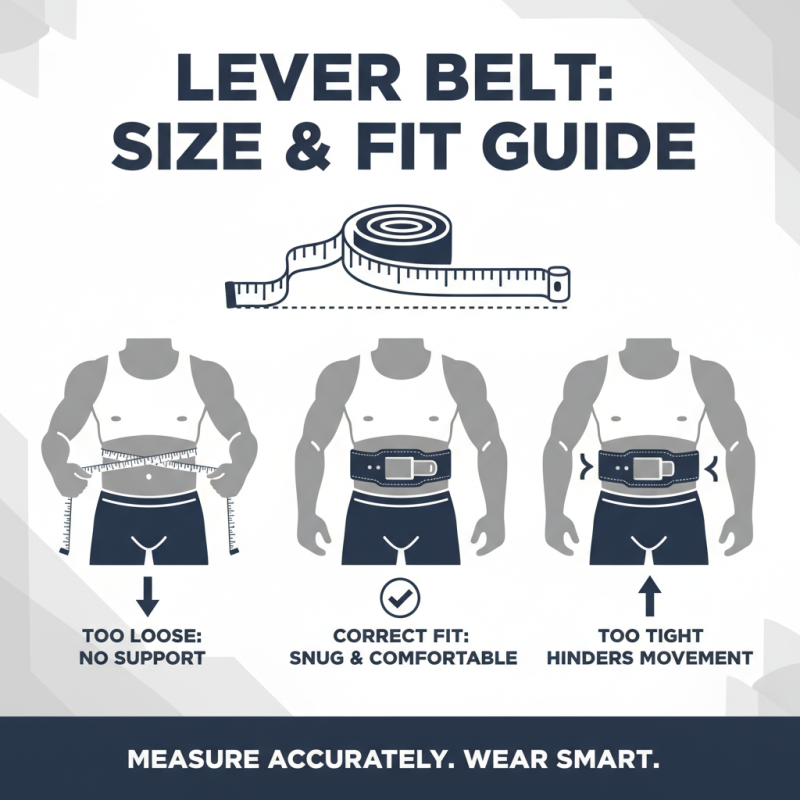
When selecting a lever weightlifting belt, size and fit are crucial. A belt that is too loose may not provide the necessary support, while a tight belt can hinder movement. Measure your waist accurately, and consider how you typically wear your belt. It should sit comfortably around your waist without digging into your skin.
Experiment with different sizes. Some belts have adjustable options, which can be beneficial. A good rule of thumb is to try the belt while in a lifting position. If it feels restrictive, you might need to reconsider your choice. Remember, it’s about finding the right balance between support and comfort.
Pay attention to the belt’s width as well. A wider design typically offers better support for heavier lifts. However, it could feel bulky. Consider your lifting style and preferences. Reflect on whether you lean towards powerlifting or bodybuilding. Each discipline may require a different approach to belt fit. Don't rush the decision. Take your time to ensure the belt enhances rather than hinders your performance.
Material Options and Their Impact on Durability and Comfort
When selecting a lever weightlifting belt, material options play a crucial role. Common materials include leather, nylon, and synthetic blends. Each material has unique benefits and drawbacks that affect durability and comfort. For example, leather offers great support and longevity, but it can feel stiff initially. Conversely, nylon is more flexible and often lighter, which some lifters prefer. However, it may wear out faster than leather.
Tips: Test the belt in various positions. Make sure it feels secure yet comfortable. A good fit is key. You want it to support without limiting your movement. Consider how the belt feels against your skin. Some materials may cause irritation during heavy lifts.
Finding the right balance can be challenging. Stiffness versus flexibility might lead to discomfort. A belt that is too rigid can restrict hip movement. On the other hand, a looser belt may not provide enough support. Reflect on your lifting style and needs. Ultimately, prioritize what feels right for you.
Comparing Price Range and Brands for Value Selection
When choosing a lever weightlifting belt, pricing is often a key factor. Prices can range from $30 to over $200. Understanding your budget is essential. Fitness enthusiasts often report that spending more typically correlates with better durability and comfort. According to a 2021 market research report, mid-range belts ($50-$100) are becoming increasingly popular. These belts offer a balance between affordability and quality.
While selecting a belt, consider construction materials. Leather belts usually provide superior support. Synthetic options might be lighter but can wear out faster. A study from the National Strength and Conditioning Association found that a good lifting belt can increase lifting performance by up to 15%. However, not all belts measure up. Users often find that lower-priced options can be uncomfortable or less supportive over time. Investing in a quality belt can be worth it for serious lifters.
Another point to reflect on is brand reputation. Some lesser-known brands offer surprisingly good quality for the price. However, they may lack the same level of customer support or return policies. This inconsistency can frustrate users who need a reliable product. Reading user reviews can help bridge this gap. It’s vital to compare and ensure that you find the best value for your specific lifting needs.
Comparison of Lever Weightlifting Belt Prices and Rating Scores