How to Choose the Best Nylon Weightlifting Belt for Maximum Support and Comfort
When it comes to enhancing performance and safety in weightlifting, the right equipment is paramount. Among the essential gear for lifters, the Nylon Weightlifting Belt stands out for its unique combination of support and comfort. With a myriad of options available on the market, choosing the best belt can often feel overwhelming. However, understanding the key features that contribute to both stability and ease of use is crucial for making an informed decision.
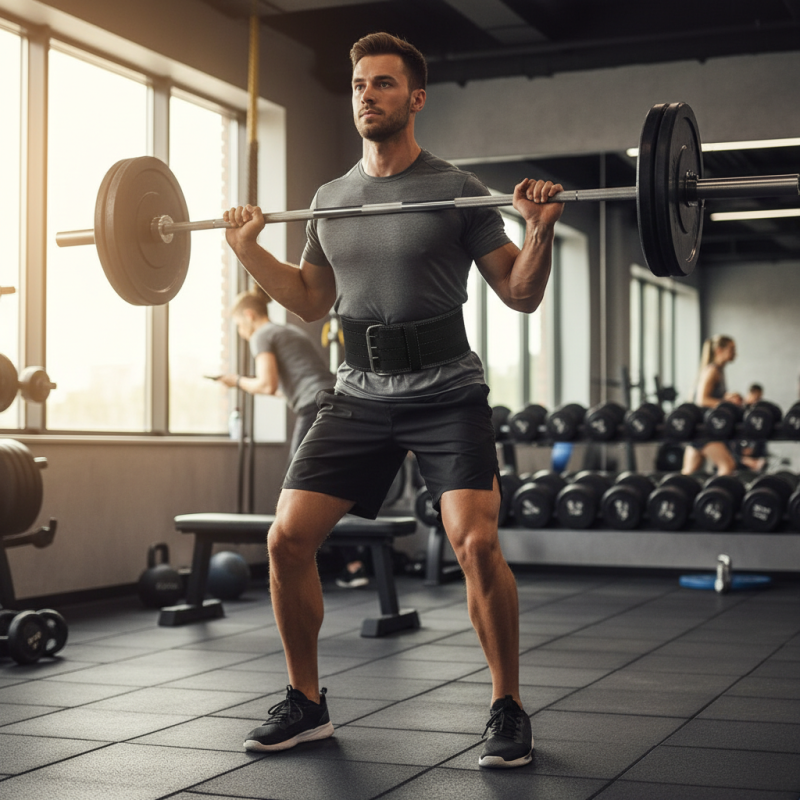
A quality Nylon Weightlifting Belt not only aids in maintaining proper posture during lifts but also minimizes the risk of injury by providing essential lumbar support. The flexibility and durability of nylon, coupled with thoughtful design elements, can significantly impact a lifter's overall experience. In this guide, we will explore the critical factors to consider when selecting a Nylon Weightlifting Belt, ensuring that it enhances your lifting routine while prioritizing your safety and comfort. Whether you are a beginner or a seasoned lifter, being equipped with the right knowledge will empower you to make the best choice for your training needs.
Understanding the Importance of a Nylon Weightlifting Belt
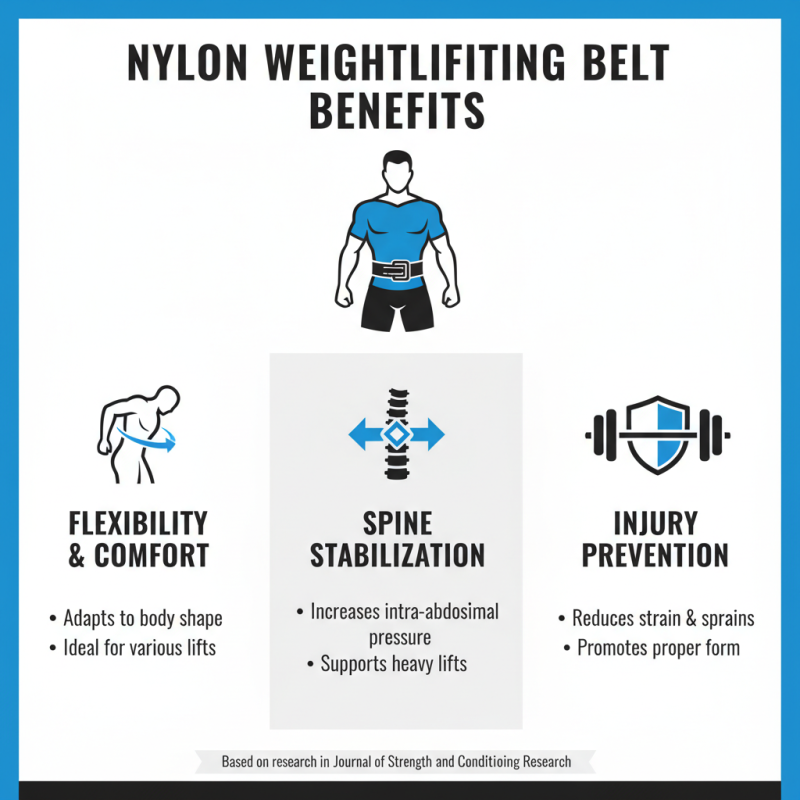
A nylon weightlifting belt plays a crucial role in enhancing performance and safety during strength training. Unlike leather belts, nylon belts offer flexibility and comfort, making them suitable for various body types and lifting preferences. According to a study published in the Journal of Strength and Conditioning Research, wearing a weightlifting belt can increase intra-abdominal pressure, helping to stabilize the spine and reduce the risk of injury. This stabilization is particularly important during heavy lifts, where maintaining proper form can prevent strains and sprains.
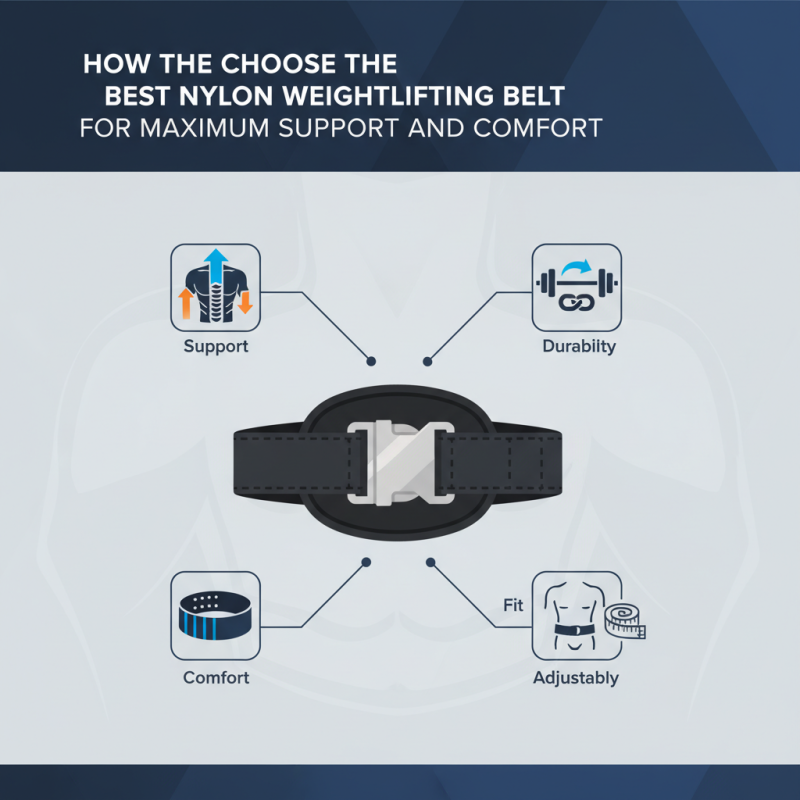
When selecting a nylon weightlifting belt, it’s essential to consider factors such as width, thickness, and buckle type. A belt that is too narrow may fail to provide adequate support, while one that is excessively thick could limit range of motion. Research indicates that a belt width of about 4 inches offers a good balance of support and flexibility. Additionally, choose a belt with an adjustable buckle, ensuring a secure fit that conforms to your body's contours.
**Tips:** Make sure to try the belt on with your lifting gear before purchasing to ensure comfort and functionality. Remember to check the stitching quality; reinforced seams can significantly enhance durability. Lastly, consider your lifting goals—if you're focused on powerlifting, a more rigid belt might be advantageous, while general fitness enthusiasts may prefer a softer, more flexible option.
Key Features to Look for in a Nylon Weightlifting Belt
When choosing a nylon weightlifting belt, several key features should be prioritized to ensure maximum support and comfort during your workouts. First and foremost, the width and thickness of the belt are crucial. A wider belt, typically around 4 inches, provides better support for the lower back and core, distributing weight evenly and minimizing the risk of injury. Similarly, a thicker belt enhances durability, especially during heavy lifts, while maintaining flexibility for various movements.
Additionally, the design and fastening mechanism of the belt play a significant role in comfort and usability. Look for belts that offer a secure yet adjustable fit, allowing you to easily tighten or loosen it as needed. Some nylon belts feature velcro fasteners, which provide convenience and an easier on-and-off process compared to traditional buckles. Lastly, consider the breathability of the material. A belt with moisture-wicking properties can help keep you cool and comfortable during intense training sessions, preventing sweat build-up and increasing overall satisfaction during use.
Evaluating Size and Fit for Optimal Performance
When selecting a nylon weightlifting belt, size and fit are crucial for ensuring optimal performance and comfort during workouts. A belt that fits well provides the necessary lumbar support and stability, allowing you to lift heavier weights with confidence. To determine the right size, measure your waist around the area where the belt will sit, typically just above the hip bones. Consult the sizing chart provided by the manufacturer to find your corresponding belt size.
Tips for ensuring a proper fit include testing the belt while standing and in motion. Once you have the belt on, it should feel snug but not restrictive. You should be able to take deep breaths and move comfortably without feeling pinched. Additionally, consider the width of the belt; a wider belt may offer more support, but it should also not hinder your range of motion.
Lastly, remember that the quality of the material impacts comfort and durability. Ensure that the nylon used in the belt is both sturdy and flexible to allow for movement without sacrificing support. Opting for a belt with adjustable features can also enhance the fit, accommodating fluctuations in body size as your training progresses.
Comparing Different Brands and Models of Nylon Weightlifting Belts
When selecting a nylon weightlifting belt, it's essential to compare different brands and models to identify the best option that offers both support and comfort. According to a study published in the Journal of Strength and Conditioning Research, a properly fitted weightlifting belt can significantly enhance performance by providing stability during heavy lifts. This stability allows athletes to avoid common lifting injuries, thus highlighting the importance of choosing the right belt.
When comparing different nylon weightlifting belts, consider the width and thickness of the belts, as these factors significantly influence support levels. A belt that is too thick may limit movement, while one that is too thin may not offer adequate support. Additionally, pay attention to the buckle and adjustment mechanisms; a durable and easy-to-use system can ensure a snug fit and avoid slippage during lifts.
Tips: Always try on various belts to find the appropriate fit. Ensure the belt is snug enough to provide support but not so tight that it restricts your movement. Also, check for breathable materials, which can enhance comfort during extended workouts. Lastly, read user reviews and reports on performance metrics to make an informed choice.
Maintenance Tips for Longevity and Durability of Your Belt
To ensure longevity and durability of your nylon weightlifting belt, proper maintenance is crucial. Start by regularly inspecting your belt for any signs of wear and tear, such as fraying or seam separation. Addressing minor issues promptly can prevent them from worsening, thus extending the life of your equipment. After each workout, wipe down the belt with a damp cloth to remove sweat and grime, as neglecting cleanliness can lead to material degradation over time.
Additionally, it's essential to store your belt correctly when it's not in use. Avoid folding or compressing the belt, as this can lead to creases that compromise its structure. Instead, hang it up or lay it flat in a cool, dry place away from direct sunlight. This not only preserves its shape but also keeps the nylon fabric from becoming brittle due to prolonged exposure to harmful environmental factors. Lastly, always refer to any specific care instructions provided with the belt, as they may include additional recommendations tailored to maintain its material integrity.
Comparison of Nylon Weightlifting Belts: Support and Comfort Ratings
This chart compares various nylon weightlifting belt models in terms of support and comfort ratings, providing useful insights for selecting the best belt for maximum support and comfort during workouts.