How to Choose the Best Weightlifting Belts for Your Needs?
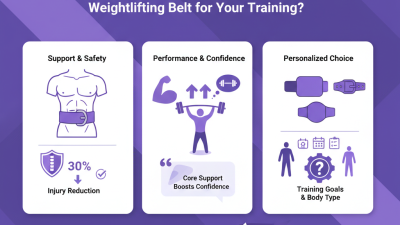
Choosing the right weightlifting belts can significantly impact your performance in the gym. With various options available, it can be overwhelming. The right fit and style are crucial for safety and effectiveness. A well-chosen belt offers support during heavy lifts. It stabilizes your core and prevents injuries.
Consider your training goals and personal comfort when selecting a weightlifting belt. A belt that works for one person may not suit another. Pay attention to materials, width, and durability. Brands vary in quality, but not all deliver the same results. Reflecting on your needs is essential.
With increasing popularity, misinformation can spread easily. Research and reliable reviews can guide you. Evaluate options based on your experience level and the specific lifts you plan to perform. Ultimately, the best weightlifting belts enhance your workout without compromising safety. Finding the right one is a journey worth pursuing.
Understanding the Purpose of Weightlifting Belts in Training
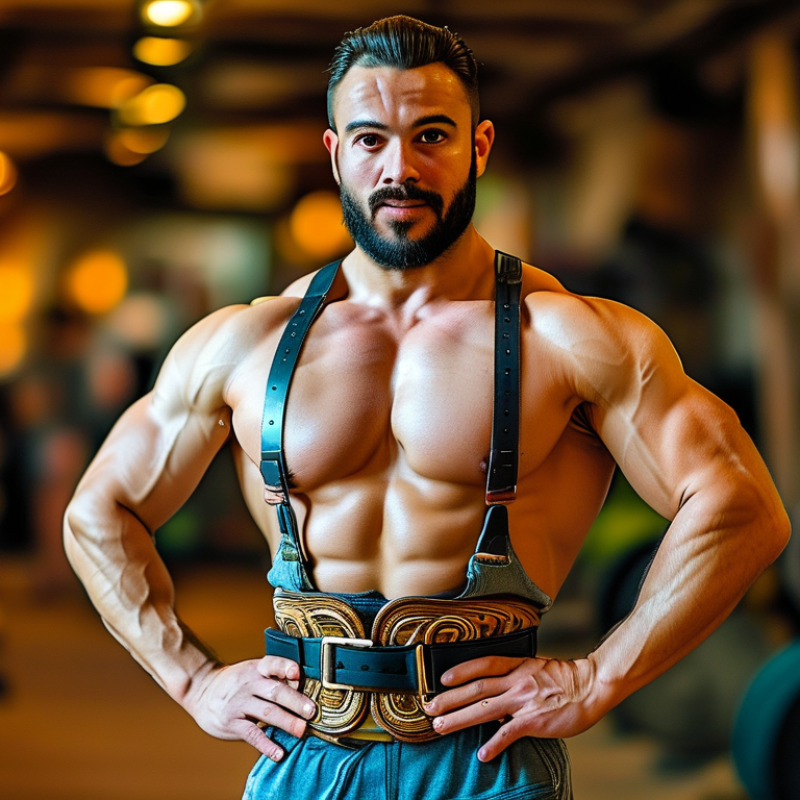
Weightlifting belts serve a crucial role in strength training. They stabilize the core and support the spine during heavy lifts. When used correctly, they can enhance performance and reduce the risk of injury. Many athletes rely on these tools to ensure they lift safely, particularly during squats and deadlifts.
Understanding how a weightlifting belt works is essential. The belt increases intra-abdominal pressure, which helps maintain spinal alignment. This added pressure acts like a natural brace, providing support when you need it most. However, it’s important to note that reliance on a belt may weaken core muscles if overused. Proper training without a belt should still be a priority.
Choosing the right belt depends on various factors, such as body type and lifting style. Ideally, the belt should fit snugly without restrictions. Thickness and width also matter; a thicker belt offers more support but may limit movement. Finding the perfect balance requires experimentation and self-reflection on your lifting habits.
Identifying Different Types of Weightlifting Belts Available
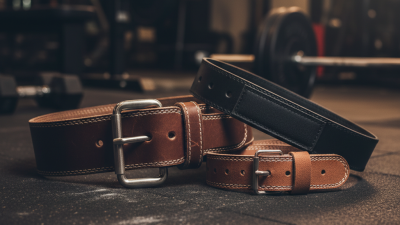
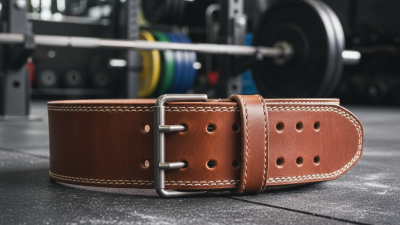
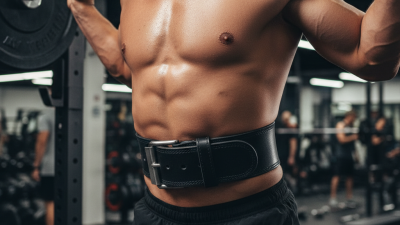
When selecting a weightlifting belt, it's vital to understand the different types available. Each type serves a unique purpose and suits varying lifting styles. The most common type is the leather belt, known for its durability and support. These belts often come in different sizes and widths. If you prefer something softer, consider a nylon belt. It is lighter and offers flexibility, making it great for mobility.
Another option is the tapered belt. It is designed to provide extra protection for the lower back while allowing freedom of movement. Many lifters appreciate the secure fit. Some newer options include supportive wraps, which can be ideal for those recovering from injuries. Keep in mind how each material affects comfort and performance.
Evaluating your lifting habits is important. Are you a casual lifter or serious competitor? This question alters your choice significantly. Some belts may feel great initially but lose shape over time. Research user experiences to find reliable choices. Reflect on your specific needs; the best fit often depends on individual preferences. Each belt has strengths and weaknesses. Understanding these will guide you in making an informed decision.
Comparison of Different Types of Weightlifting Belts
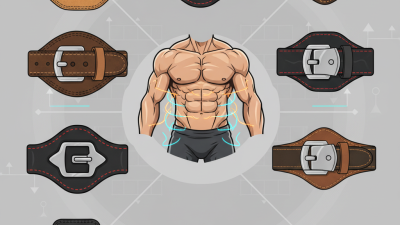
This chart illustrates the popularity of different types of weightlifting belts based on their usability and performance in the fitness community. Leather belts are the most favored, followed by nylon and neoprene. Choosing the right belt depends on your specific lifting needs and preferences.
Evaluating the Key Features to Look for in a Weightlifting Belt
When selecting the best weightlifting belt, it is essential to evaluate key features that suit individual needs. One primary factor is the belt's material. Leather and nylon are common choices, each offering distinct benefits. Leather belts provide durability and a firm support base, while nylon belts tend to be more comfortable and flexible. According to a recent industry report, 85% of lifters prefer leather belts for heavy lifting. However, many beginners find nylon more accessible.
Another critical feature to consider is belt width and thickness. A wider belt provides more support for the spine, which is vital during heavy lifts. A study published in the Journal of Strength and Conditioning Research noted that belts at least four inches wide significantly enhance intra-abdominal pressure, leading to better lifting performance. Additionally, adjusting the thickness can affect comfort and mobility. Users must reflect on their lifting techniques when choosing thickness.
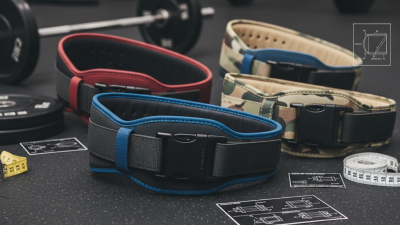
Lastly, the closure system varies between belts. Pronged, lever, or Velcro systems have their pros and cons. Some lifters appreciate the quick adjustments offered by Velcro, while others trust the stability of a lever closure. It’s crucial to test these systems personally. Finding the right balance of comfort and support can take time. Weighing these features thoughtfully will help you find the ideal weightlifting belt tailored to your lifting journey.
Determining the Right Size and Fit for Your Weightlifting Belt
Choosing the right weightlifting belt is crucial for enhancing your performance and safety. When determining the right size and fit, you should first measure your waist. Use a measuring tape around your midsection, just above your hip bones. Ensure the tape is snug but not too tight. This measurement is vital for selecting a belt that fits well.
A well-fitted belt should feel secure but not restrictive. Look for belts with adjustable features. This allows for flexibility in sizing, especially during workouts. Consider the width of the belt too; a wider belt offers more support but can feel bulkier. Remember, the goal is to support your lifts without hindering mobility.
Tips: When trying on a belt, test it by mimicking lifting movements. Pay attention to comfort and support. Don’t rush the process. It’s worth taking the time to find the right fit. A poorly fitted belt can lead to injury or ineffective support. Reflect on your choices, and you might discover that adjustments are needed over time.
Considering Budget and Brand Preferences for Weightlifting Belts
When selecting a weightlifting belt, budget and brand preferences play critical roles. A solid budget helps narrow down options. It's essential to determine how much you're willing to spend. Some belts offer excellent quality at a lower price. Others may demand a premium without clear benefits. It's wise to assess what you genuinely need.
Brand preference can create a bias. Many lifters swear by certain brands based on personal experience. But this may not suit everyone. Sometimes, lesser-known brands provide phenomenal quality. Seek reviews and expert insights. This can highlight reliable options you might overlook. A belt should feel comfortable and supportive, not just carry a famous name.
Remember, not all expensive belts guarantee better performance. Reflect on your training regimen. If you're lifting heavy constantly, investing in a more reliable belt might make sense. However, if you're a beginner, a mid-range option may suffice. Evaluate durability and comfort over flashy branding. The perfect belt matches your needs and enhances your lifting experience.
How to Choose the Best Weightlifting Belts for Your Needs?
| Brand |
Material |
Width |
Price Range |
Recommended Use |
| Economy Buff |
Nylon |
4 inches |
$20 - $40 |
Beginner Lifters |
| Pro Lift |
Leather |
3 inches |
$50 - $80 |
Intermediate Lifters |
| Strength Max |
Suede |
6 inches |
$70 - $120 |
Advanced Lifters |
| Lift Right |
Synthetic |
5 inches |
$30 - $60 |
CrossFit |
| Elite Power |
Canvas |
4 inches |
$40 - $75 |
Powerlifting |