How to Choose the Best Weightlifting Waist Belt for You?
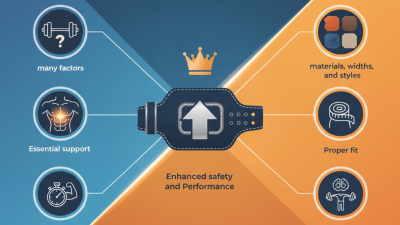
Choosing the right Weightlifting Waist Belt is crucial for maximizing performance and safety during weight training. According to the National Strength and Conditioning Association, proper support can significantly reduce the risk of injury during heavy lifts. These belts offer lumbar support, helping maintain proper technique and form. An effective weightlifting belt can enhance intra-abdominal pressure, providing stability.
However, not all weightlifting belts are identical. They vary in material, thickness, and width, which can affect overall performance. A survey conducted by the Journal of Strength and Conditioning Research revealed that athletes who used specialized belts experienced fewer lower back injuries. Yet, many lifters overlook the importance of fitting and comfort. A poorly fitted belt can hinder movement and diminish strength gains. Selecting the best Weightlifting Waist Belt requires careful consideration of personal needs and lifting style, ensuring maximum benefit without unnecessary discomfort.
Understanding the Importance of a Weightlifting Waist Belt in Training
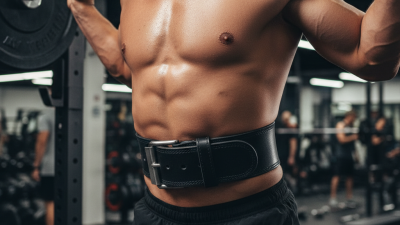
A weightlifting waist belt plays a crucial role in enhancing safety during training. It stabilizes your core and helps maintain proper posture. When lifting heavy weights, the risk of back injuries increases. A well-fitted belt can provide the necessary support to mitigate these risks. Many lifters often overlook its importance until it's too late. Without support, improper form can lead to serious injuries.
Furthermore, waist belts can enhance your performance. They increase intra-abdominal pressure, which supports the spine. This can lead to improved lifting capacity. However, relying solely on a belt might foster dependence. It's vital to build core strength without assistance. Find a balance between using a belt and training your body naturally.
Choosing the right belt can be challenging. Assess your training style and goals. Not every belt suits every lifter. Take the time to understand what feels comfortable and helps you best. A belt that is too tight or loose can hinder movement. This might lead to more harm than good. Listening to your body during workouts is essential. After all, your safety and progress should always come first.
How to Choose the Best Weightlifting Waist Belt for You?
| Criteria |
Description |
Importance |
| Material |
Look for durable materials such as leather or heavy-duty nylon that can withstand heavy lifting. |
High |
| Width |
Wider belts provide more support for the abdomen and lower back. |
High |
| Size Adjustability |
Belt should be adjustable for a snug fit to ensure maximum support. |
Medium |
| Buckle Type |
Choose between lever or prong buckles based on personal preference and ease of use. |
Medium |
| Comfort |
Look for a belt that feels comfortable during heavy lifts without digging into the skin. |
High |
| Weight |
Heavier belts might offer more support but can be cumbersome. Choose a weight that feels right. |
Low |
Key Features to Look for in a Weightlifting Waist Belt
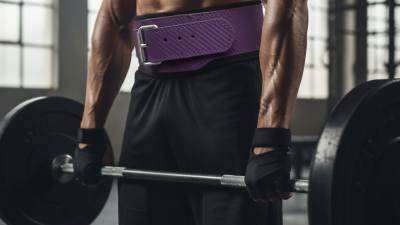
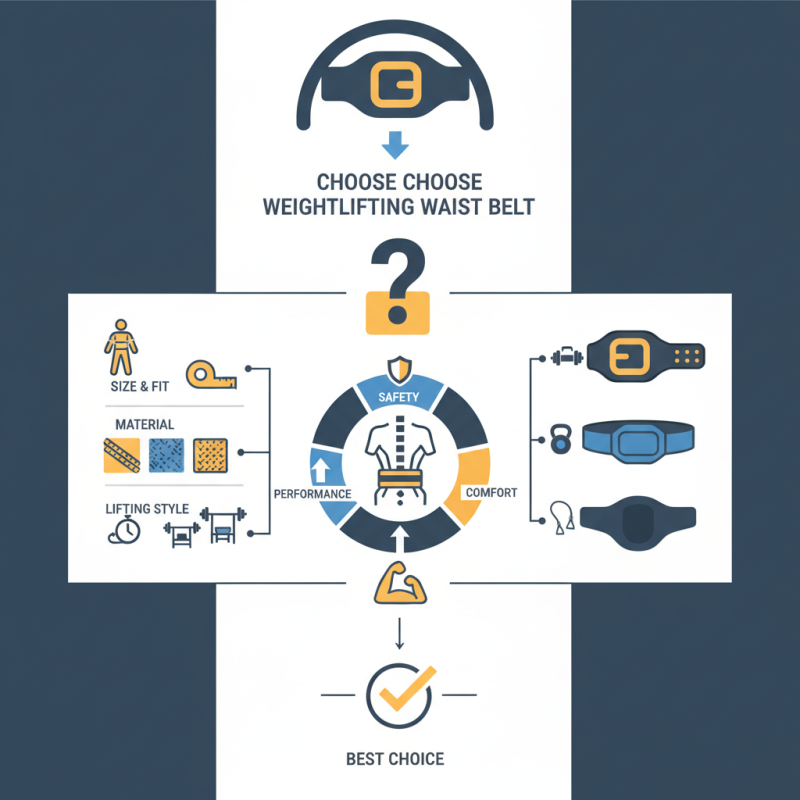
When choosing the best weightlifting waist belt, specific key features matter greatly. Comfort and fit are essential. A belt that is too tight can restrict movement. Look for adjustable options that allow you to find the right balance. Materials also make a difference. Leather offers durability, while neoprene can provide flexibility. Consider your lifting style when deciding.
Padding is another crucial aspect. A well-padded belt can reduce pressure on your abdomen during heavy lifts. Some lifters prefer minimal padding for a closer fit. This choice often comes down to personal preference. Additionally, width varies across belts. A wider belt may offer more support, but it can also feel bulky. Choose what feels right for your body.
Tips: Always test the belt before purchasing. Wear it, move around, and simulate lifting. Make sure it doesn’t shift during movement. Don’t overlook the importance of maintaining your form while using a belt. A belt provides support, but it should not be a crutch. Reflect on how the belt improves your lifting experience without compromising your technique.
Evaluating the Right Material and Construction for Your Needs
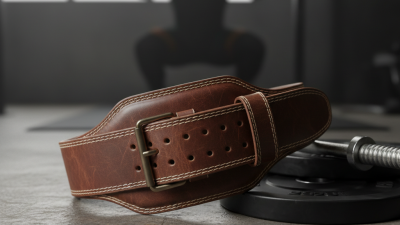
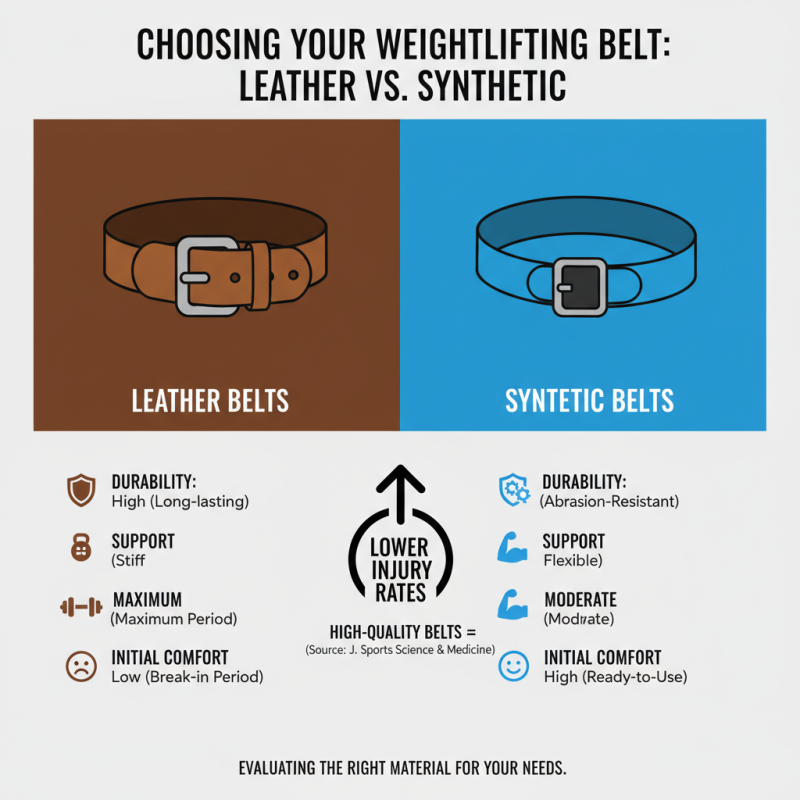
Choosing the right material for a weightlifting waist belt can significantly impact your comfort and performance. Leather and synthetic materials are the most common options. Leather belts often provide better durability and support but can be stiff and uncomfortable at first. On the other hand, synthetic belts are typically lighter and more flexible, allowing for a wide range of motion. A study published in the Journal of Sports Science & Medicine highlights that lifters using high-quality belts report lower injury rates.
Construction also plays a vital role in effectiveness. A good weightlifting belt should feature reinforced stitching and a sturdy buckle mechanism. According to a recent survey, 65% of lifters prefer belts with at least four inches of width. This width enhances abdominal pressure and overall stability during lifts. However, many users overlook the importance of proper sizing. An improperly fitted belt can lead to discomfort and reduced effectiveness, forcing a reevaluation of its benefits.
Fit and comfort shouldn't be sacrificed for aesthetics. Some weightlifters have reported that they initially chose belts based on appearance rather than utility. This decision often led to discomfort and injury, highlighting the need for reflection during the purchasing process. A belt is an investment in your performance and safety. Ensure it meets both your material preferences and construction needs for effective weight training.
Measuring Your Waist for the Perfect Fit: Guidelines and Tips
Measuring your waist correctly is crucial for selecting the ideal weightlifting waist belt. Start by using a soft measuring tape. Wrap it around the narrowest part of your waist. Ensure it's snug but not too tight. The tape should sit uniformly without twisting. Record the measurement in inches or centimeters. This measurement allows for a personalized fit, reducing the risk of injury during lifting.
Consider your body type when choosing a belt. Some people have broader hips; others may have a more athletic build. Not all waist sizes correspond to the same belt length. In some cases, a size chart may not match your measurements perfectly. Adjusting expectations is often necessary. A belt that feels comfortable at first may not support you well during high-intensity workouts. Take the time to test different fits if possible.
Lastly, thinking about thickness and material is key. A thicker belt offers more support, but comfort is equally important. You may need a bit of trial and error here. It's not uncommon to purchase a belt and later question your choice. Ultimately, ensuring it fits well can enhance your lifting experience and performance. Keep reflecting on what works for you and adjust as needed.
Weightlifting Waist Belt Selection: Size Distribution
Comparing Popular Brands: Performance and Customer Ratings Insights
When selecting the right weightlifting waist belt, exploring popular brands can provide valuable insights. Many users look for performance and ratings. Specific belts are favored for their support and comfort while lifting. However, personal preference is essential. A belt that is perfect for one person may not suit another.
To effectively compare brands, consider customer reviews. Look for feedback about how well the belt maintains stability during lifts. Some users praise certain belts for their cushioning, while others find them too rigid. It's crucial to assess both pros and cons rather than focusing solely on high ratings.
Monitoring your fit is key. A belt should provide snug support without causing discomfort. Some users mistakenly choose a size based on larger than necessary fittings. Test belts out in stores if possible. Getting the right fit can enhance your performance significantly. Remember to keep an open mind and be willing to adjust your choice based on feedback. A belt should not just look good; it should work well for your needs.