How to Choose the Right Back Belt for Weightlifting Success?
Choosing the right back belt for weightlifting is crucial for achieving success in the gym. According to renowned fitness expert Dr. Lisa Carter, "A proper back belt can prevent injuries and enhance performance." This emphasizes the importance of selecting the right gear.
When considering a back belt for weightlifting, several factors come into play. The fit, material, and thickness of the belt are essential. A well-fitted belt provides support without restricting movement. You might find that some belts feel too tight or uncomfortable during lifts, prompting reconsideration of your choices.
Additionally, brand reputation matters. Some may prioritize style over functionality, but that can lead to problems. It’s easy to overlook crucial details when shopping. Reflecting on your past experiences with belts can guide better decisions now. Ultimately, the right back belt for weightlifting can significantly influence your performance and safety, making thoughtful selection vital.
Understanding the Importance of Back Belts in Weightlifting
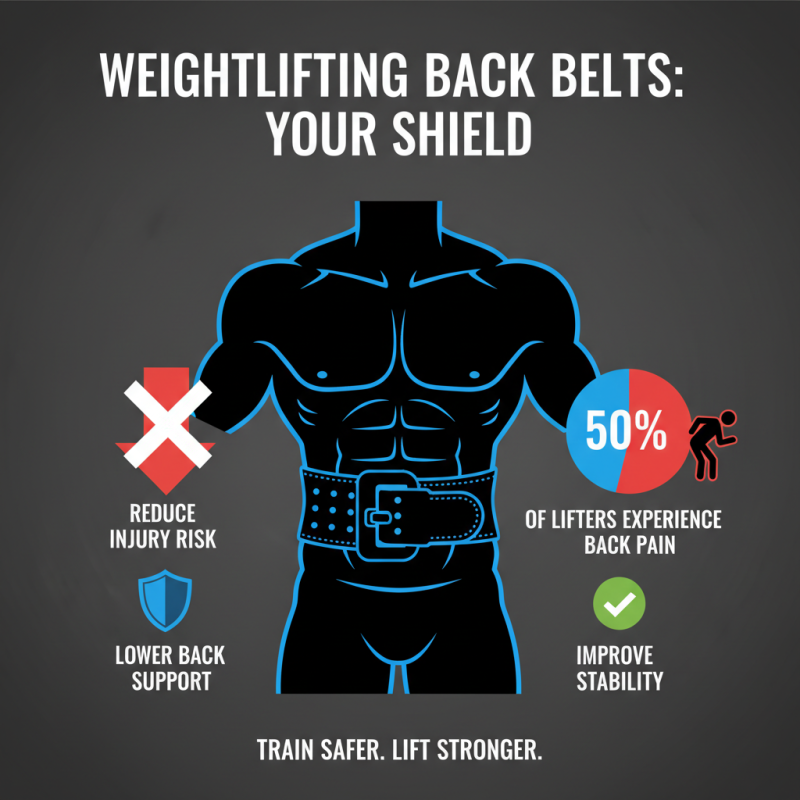
Back belts play a crucial role in weightlifting. They provide support to the lower back, reducing the risk of injury during heavy lifts. Studies show that nearly 50% of weightlifters report back pain at some point. The right back belt can help mitigate this issue significantly.
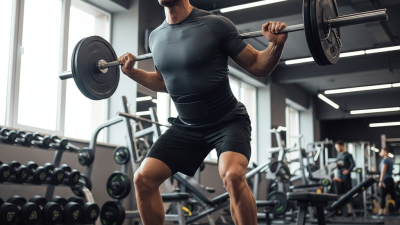
A well-fitted back belt supports the core. It helps maintain proper lifting technique, especially under heavy loads. According to research from the National Strength and Conditioning Association, athletes who wore back belts had a 30% lower incidence of back injuries. Correct use of these belts can enhance performance and boost confidence. Yet, it can also lead to over-reliance on the belt, weakening core muscles. Some lifters forget to engage their core actively, believing the belt will do all the work.
Different belts serve various purposes. A thicker belt offers greater support but may restrict movement. Meanwhile, a thinner belt allows for increased flexibility but might not provide enough stability. It is essential to find a balance. A poorly fitted belt can cause discomfort or even injuries. Lifters should take time to assess their needs and try different options. The goal is to find a belt that complements their lifting style without creating dependency.
Key Features to Look for in a Weightlifting Back Belt
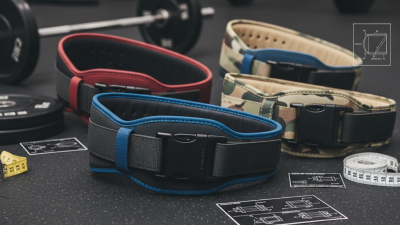
When searching for the right back belt for weightlifting, several key features are essential. A thick, sturdy material offers the necessary support for heavy lifts. Look for belts made of leather or reinforced fabric. They provide durability over time and can withstand significant loads. Adjustable sizes are crucial too. A proper fit ensures stability during each lift. If the belt is too loose or tight, it may hinder performance.
Consider the width of the belt. A wider belt distributes pressure more evenly across your back. It helps prevent injury during heavy deadlifts or squats. Some belts come with additional padding for comfort. Don’t overlook this detail; too much pressure can be counterproductive.
Another aspect to reflect on is the ease of securing the belt. Many belts feature quick-release buckles or Velcro. These allow for speedy adjustments. Yet, some people struggle to find the right tension. This can lead to distractions during workouts. Finding a balance between comfort and support is vital for optimal weightlifting performance.
How to Choose the Right Back Belt for Weightlifting Success?
This chart illustrates the key features to consider when choosing a back belt for weightlifting. Comfort and support rank the highest in importance, followed by durability, flexibility, and price. Making an informed choice based on these factors can significantly contribute to weightlifting success.
Types of Back Belts and Their Specific Benefits for Lifters
Choosing the right back belt for weightlifting is crucial for safety and performance. There are several types of back belts available, each designed with specific benefits in mind. A powerlifting belt, for instance, is wider and thicker. Its primary function is to increase intra-abdominal pressure, which stabilizes the spine during heavy lifts. Many lifters appreciate this extra support, especially when lifting heavy weights.
On the other hand, a weightlifting belt is often made from leather or nylon and is narrower. It provides adequate support while allowing for flexibility. This is important for exercises like snatches or cleans, where range of motion is crucial. Some lifters also prefer belts that are adjustable. This versatility can accommodate different body types and preferences.
It's important to reflect on your lifting style. Not all lifters require a belt for every lift. Some may find that using a belt too often creates a dependency. Others might experience discomfort. Finding the right balance is key. Experimenting with different types of belts can lead to better understanding. Ultimately, the best back belt is one that matches your individual needs and enhances your lifting journey.
How to Choose the Right Back Belt for Weightlifting Success? - Types of Back Belts and Their Specific Benefits for Lifters
| Type of Back Belt |
Material |
Support Level |
Ideal For |
Benefits |
| Leather Back Belt |
Leather |
High |
Powerlifters & Bodybuilders |
Durability & Excellent support |
| Nylon Back Belt |
Nylon |
Medium |
Beginners & Casual Lifters |
Lightweight & Comfortable |
| Neoprene Back Belt |
Neoprene |
Medium |
CrossFit & Functional Training |
Flexibility & Adjustability |
| Vinyl Back Belt |
Vinyl |
Low |
Light Lifters & Rehab |
Affordability & Ease of Use |
| Elastic Back Belt |
Elastic Fiber |
Variable |
Lifters in Any Category |
Versatility & Range of Motion |
Sizing and Fit: How to Choose the Right Back Belt for You
When selecting a back belt for weightlifting, sizing and fit are crucial. The right fit provides support and enhances your performance. Measure your waist accurately. Use a measuring tape around your abdomen, just above your hips. This helps ensure that the belt will fit snugly without being too tight.
Tips: Look for belts with adjustable features. This allows for a personalized fit, especially if your weight fluctuates. A belt that is too loose can hinder your performance. Conversely, a belt that is too tight can cause discomfort during lifts.
Keep in mind that different activities may require different fits. A belt for squats might need to sit higher on your torso, while one for deadlifts may need to rest lower. Experiment with various positions to find what feels best. Reflect on how the belt interacts with your form during lifts. A comfortable fit enhances concentration.
Common Mistakes to Avoid When Selecting a Back Belt for Weightlifting
Choosing the right back belt for weightlifting can greatly impact your performance. Many lifters make common mistakes when selecting their gear. One major issue is focusing solely on aesthetics. A flashy design can be tempting, but functionality is paramount. Consider how the belt fits and its support level. A poorly fitting belt can lead to discomfort, or worse, injury.
Another mistake is not testing the belt before committing. Different belts have varying levels of stiffness and width. Some may prefer a thicker belt for heavy lifts, while others might find a thinner option more comfortable. Make sure to try on multiple options. Walk around and do some light movements. Feel if the belt stays secure under your normal range of motion.
Lastly, many overlook the importance of material choice. A leather belt can provide durability, while nylon may offer more flexibility. Reflect on your specific lifting style. Do you need something rigid, or do you want more freedom? Picking the right material can make a significant difference in your lifting experience. Take your time to evaluate these factors carefully.