How to Choose the Right Leather Belt for Weightlifting Performance and Support
When it comes to maximizing weightlifting performance, the right equipment can make all the difference, and a leather belt is a cornerstone of this essential gear. Renowned expert in strength training, Dr. Steven Prater, emphasizes the importance of proper support in his acclaimed guide: “A well-fitted leather belt offers not only stability but also the confidence to push your limits safely in the gym.” As lifters seek to enhance their performance, understanding how to choose the right leather belt weightlifting can significantly impact their results.
Selecting the appropriate leather belt involves considering factors such as width, thickness, and fit. Not all belts are created equal, and the nuances in design can cater to different lifting styles and personal preferences. A quality leather belt serves to stabilize the core, allowing for improved strength and power during lifts. Therefore, mastering the selection process is crucial for any serious lifter looking to achieve their fitness goals.
In this guide, we will explore the essential elements of choosing the ideal leather belt weightlifting, providing insights on how to evaluate options in the market to ensure you make an informed decision. With the right leather belt, you can elevate your performance while reducing the risk of injury, all while embracing the timeless durability and style that leather offers.
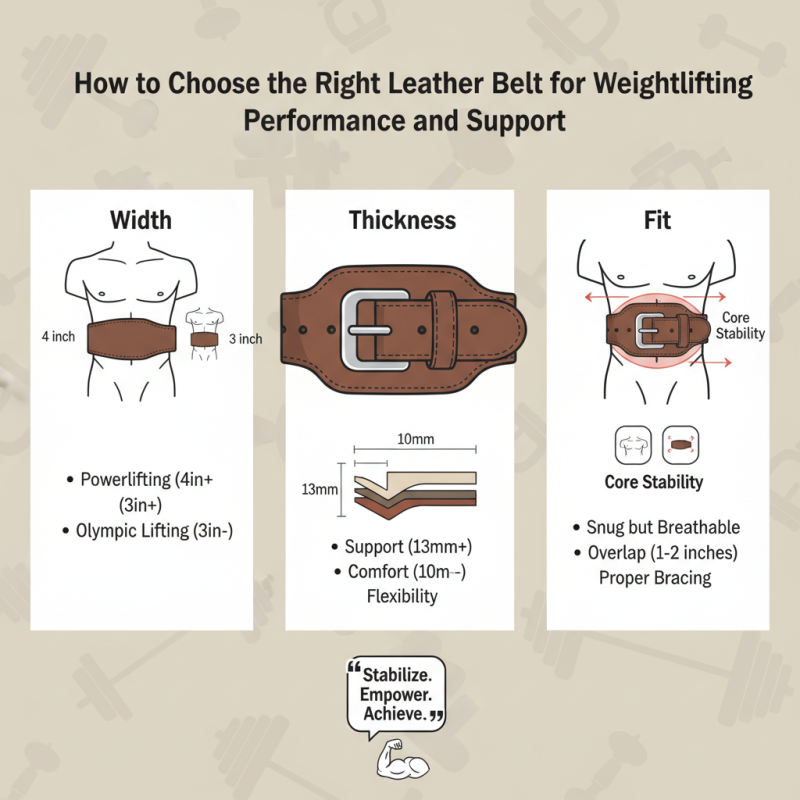
Choosing the Right Leather Belt: Importance for Weightlifting Performance
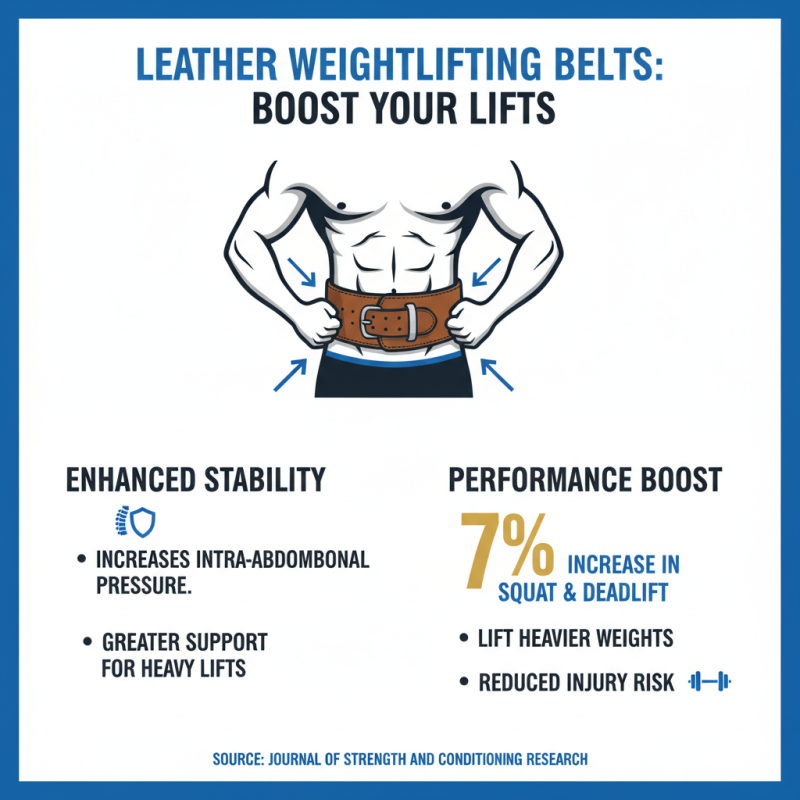
When it comes to weightlifting, the choice of a leather belt can significantly affect both performance and support. According to a study published in the Journal of Strength and Conditioning Research, wearing a proper lifting belt can enhance intra-abdominal pressure, providing greater stability during heavy lifts. This added support allows athletes to lift heavier weights with reduced risk of injury. Research indicates that lifters using belts can experience a 7% increase in performance in their squat and deadlift lifts compared to those who do not utilize one.
The importance of selecting the right leather belt also lies in its ability to promote proper lifting mechanics. A well-fitted belt can help maintain proper spinal alignment, which is crucial given that over 70% of weightlifters report back pain at some point in their careers. A survey by the National Strength and Conditioning Association revealed that nearly 58% of athletes attributed their injuries to improper technique, where inadequate support played a role. Therefore, investing in a quality leather belt not only enhances performance but also contributes to long-term health and sustainable training practices. The right belt can empower lifters to push their limits while prioritizing their safety and well-being during intense training sessions.
Types of Leather Used in Belts and Their Impact on Support
When choosing a leather belt for weightlifting, it's essential to understand the different types of leather used in these products and how they can impact your performance and support.
Full-grain leather is often considered the best choice for weightlifting belts due to its durability and strength. It retains the natural imperfections of the hide, which can offer better flexibility and a more personalized fit over time.
This type of leather effectively provides the rigidity needed for heavy lifts while conforming to your body shape, enhancing support during workouts.
Another common option is top-grain leather, which is slightly less durable but offers a smoother finish. While it may not have the same level of support as full-grain, it can still provide adequate stability for recreational lifters.
For those looking for a balance between comfort and support, top-grain can be a viable choice, especially if you prioritize ease of wear during longer training sessions.
Tips: When selecting a leather belt, ensure you choose one that matches your lifting style and goals. A thicker belt may be beneficial for powerlifting, while a sleeker option could suffice for general fitness. Additionally, always check the width of the belt as wider belts typically offer more support, particularly for heavier lifts. Finally, consider the buckle type; a strong, secure buckle can prevent mishaps during intense workouts.
Fit and Sizing: How to Measure for Optimal Weightlifting Support
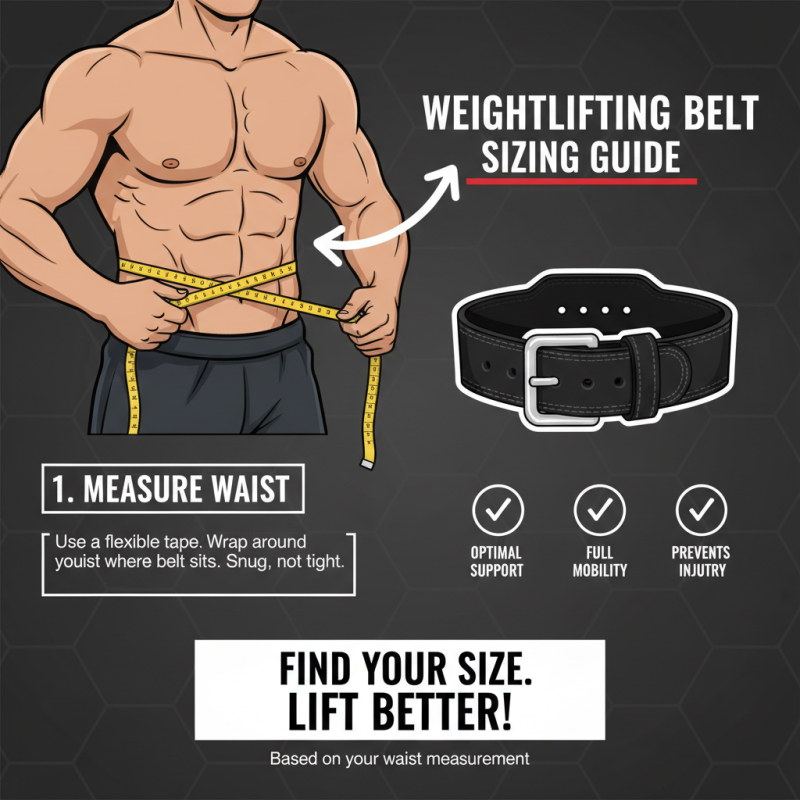
When selecting a leather belt for weightlifting, achieving the right fit and sizing is crucial for optimal performance and support. To measure for your belt, start by determining your waist size. Use a flexible measuring tape to wrap around your waist at the level you usually wear your belt, ensuring it’s snug but not compressing your skin. This measurement will help you find the correct belt size that provides adequate support without restricting movement.
**Tip:** Always measure your waist without bulky clothing, as this can affect the accuracy of your measurement. It's also advisable to take into consideration the thickness of the belt; a thicker belt may require you to adjust your measurement slightly for comfort.
After you have your measurement, look for a belt that offers a snug fit with the option to adjust. The belt should sit comfortably on your waist and provide support to your lower back during lifts. Remember that while some belts may come in standard sizes, others may have specific sizing guidelines that should be followed for the best fit.
**Tip:** Try on the belt before purchasing if possible. Reaching into various positions and lifting movements will help you ensure that the belt supports your lifts adequately without causing discomfort. A good belt not only enhances your lifting technique but also helps in preventing potential injuries caused by improper alignment during heavy lifts.
Adjustable Features vs. Fixed Belts: Pros and Cons for Lifters
When selecting a leather belt for weightlifting, one of the key considerations is whether to opt for an adjustable feature or a fixed belt. Adjustable belts are designed to provide customizable fit, allowing lifters to modify the tightness according to their needs or preferences. This flexibility can be particularly beneficial during various lifts or when training intensively, as it accommodates the natural fluctuations in waist size due to technique or body positioning. Moreover, adjustable belts often come equipped with multiple holes or a sliding mechanism, which can enhance comfort throughout a session.
On the other hand, fixed belts offer a different set of advantages. These belts are purposefully designed to maintain a consistent level of support throughout all exercises, which can enhance stability and performance during heavy lifts. Lifters who value a firm, unyielding feel may find that fixed belts provide the assurance they need to push their limits. However, the downside is that fixed belts may not cater to changes in waist size, potentially leading to discomfort if worn for extended periods or under fluctuating conditions. Ultimately, the choice between adjustable and fixed belts comes down to personal preference and specific training needs, reflecting the unique requirements of each lifter.
Weightlifting Belt Comparison: Adjustable vs. Fixed Belts
Maintenance Tips for Leather Belts to Ensure Longevity and Safety
When it comes to maintaining a leather belt, especially for weightlifting, attention to proper care is paramount to ensure both longevity and safety. Leather is a natural material known for its durability; however, without routine maintenance, it is prone to wear and tear. A study by the International Journal of Sports Science found that well-maintained leather belts can sustain up to 30% more stress than neglected ones. To extend the life of your belt, clean it regularly with a damp cloth to remove sweat and grime after each use. Applying a leather conditioner every few months can help prevent drying and cracking, ensuring your belt remains flexible and supportive.
In addition to cleaning, storage plays a significant role in the lifespan of a leather belt. For optimal preservation, it’s advisable to store the belt in a cool, dry place, away from direct sunlight. According to findings from the Leather Working Group, prolonged exposure to moisture and heat can degrade the leather's integrity, leading to reduced safety during lifts. Therefore, paying attention to how you treat and store your belt is essential for maintaining its shape and functionality. Regular checks for signs of wear, such as fraying edges or cracks, will help you gauge when it’s time for a replacement, enhancing both performance and safety in your weightlifting endeavors.
How to Choose the Right Leather Belt for Weightlifting Performance and Support
| Dimension |
Recommendation |
| Belt Width |
3-4 inches for optimal support |
| Belt Material |
Full-grain leather for durability |
| Size Selection |
Choose 1-2 inches above waist size |
| Buckle Type |
Lever buckles for quick adjustments |
| Weight Rating |
Rated for at least 600 lbs for safety |
Maintenance Tips for Leather Belts to Ensure Longevity and Safety
| Maintenance Tip |
Description |
| Cleaning |
Wipe with a damp cloth after each use |
| Conditioning |
Apply leather conditioner every 6 months |
| Storage |
Store in a cool, dry place away from direct sunlight |
| Inspection |
Regularly check for signs of wear and tear |
| Adjustment |
Ensure buckles and straps are always secure |