How to Choose the Right Leather Weightlifting Belt for You?
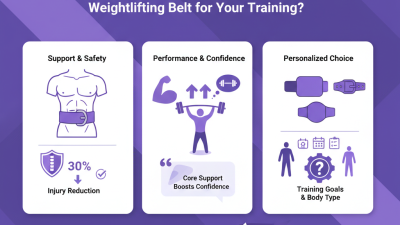
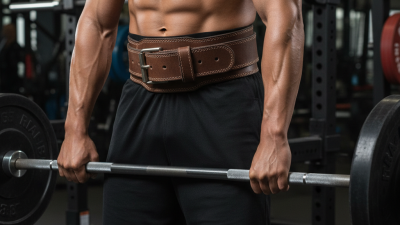
Choosing the right Leather Weightlifting Belt can significantly enhance your training experience. According to a report by the National Strength and Conditioning Association, over 80% of weightlifters use belts for added support. This piece of equipment is essential for maintaining proper form and reducing the risk of injury.
Expert in sport science, Dr. Michael Thompson, emphasizes the importance of selecting the correct belt. He states, "A well-fitted Leather Weightlifting Belt can increase your lifts and provide essential core stability." It’s crucial to consider different belt specifications, including width, thickness, and material. Each factor impacts your comfort and performance.
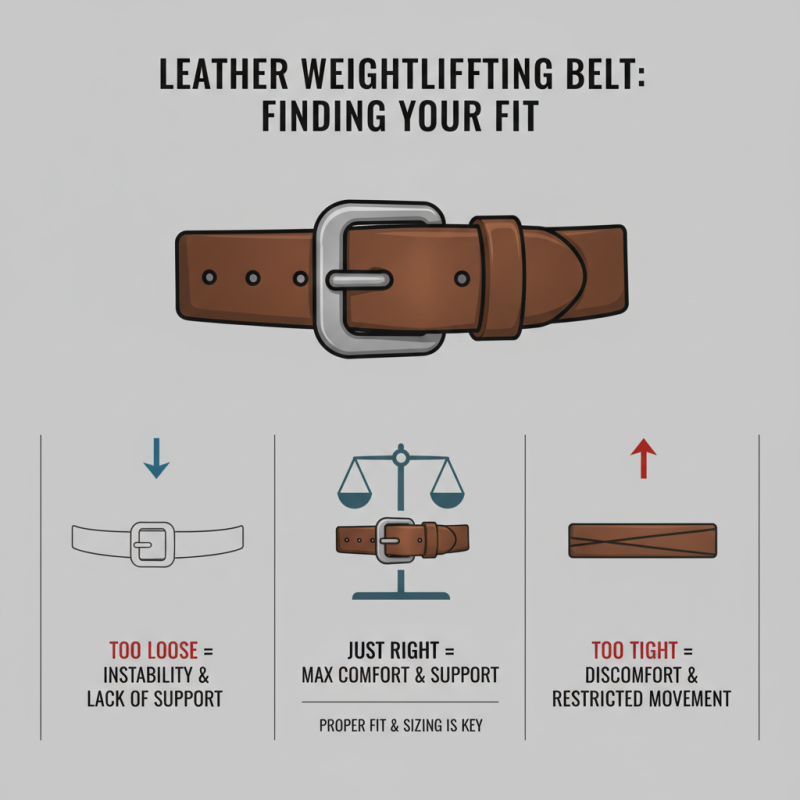
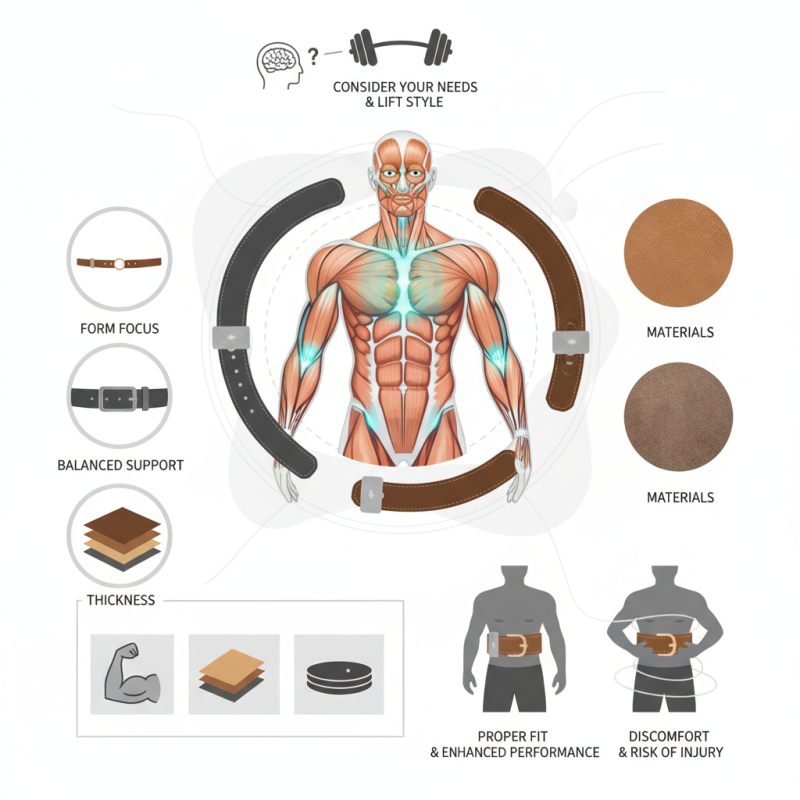
Many lifters often overlook the fitting process. A poorly fitted belt can lead to discomfort or even injury. Each lifter has unique body mechanics. Reflecting on one’s own needs and lifting style can guide the selection process. Just like choosing shoes, a good belt is personal. Be mindful of these details to make an informed decision.
Understanding the Importance of Leather Weightlifting Belts in Training
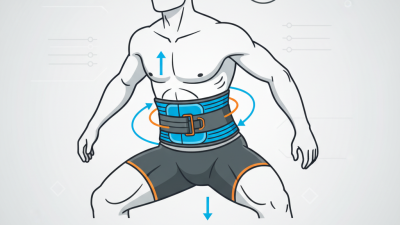
Leather weightlifting belts play a critical role in strength training. They provide essential support to the core and spine during heavy lifts. A study by the National Strength and Conditioning Association suggests that wearing a weightlifting belt can significantly increase intra-abdominal pressure. This helps stabilize the trunk and reduce the risk of injury. Nevertheless, it's vital to choose the right belt for your needs.
Not all leather belts are created equal. Different weights and widths cater to various lifting styles. For instance, a thicker belt offers more support but can be uncomfortable for some users. It's important to listen to your body. In a survey by the Strength Research Institute, 45% of lifters reported discomfort with their belts. This indicates that finding the right fit is essential. Belts should not be too tight or too loose. The goal is to provide security, not to hinder movement.
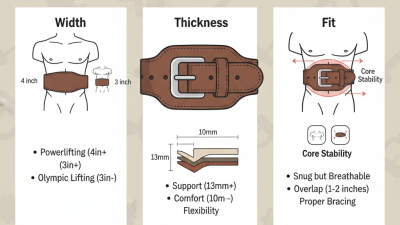
Adjust your training style based on your belt choice. A classic 4-inch belt may work well for powerlifting but may not suit Olympic lifters. They often prefer a tapered design for better range of motion. Make your choice based on your lifting technique and personal comfort. Experimentation can lead to improved performance, but be prepared for some trial and error along the way. Remember to prioritize safety and proper form over simply lifting heavier weights.
Assessing the Right Thickness and Width for Your Lifting Needs
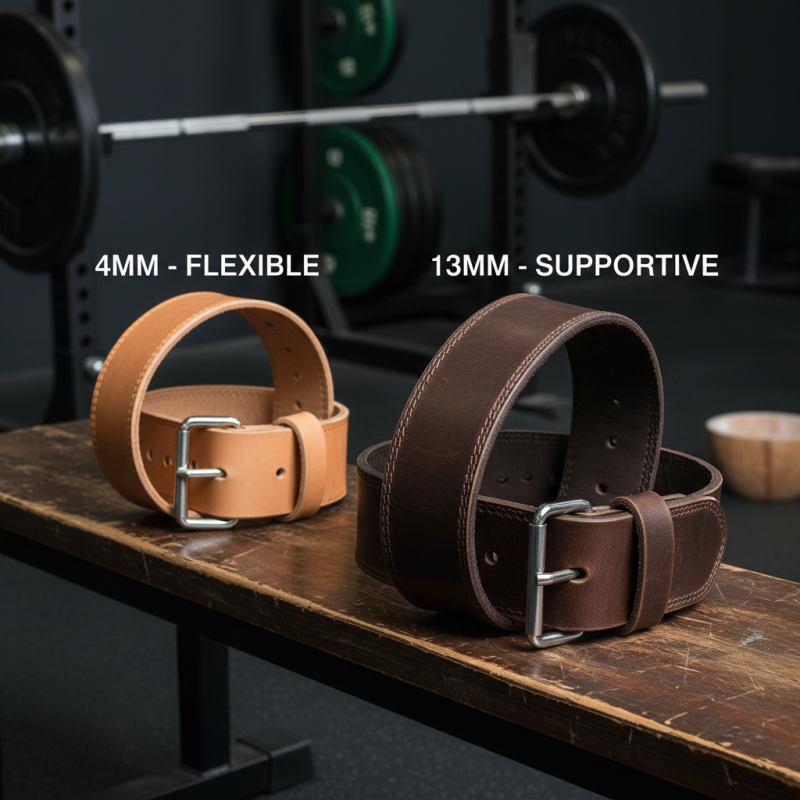
Choosing the right leather weightlifting belt can be tricky. When it comes to thickness, most lifters prefer belts between 4mm to 13mm. A thinner belt offers more flexibility, while a thicker one provides better support. If you're lifting heavy, you might lean towards a thicker option. However, a thicker belt can feel restrictive at times. You'll need to find a balance that suits your comfort and lifting needs.
Width is equally important. Standard belts are usually 3 to 4 inches wide. A wider belt distributes pressure more evenly on your abdomen. But a wider belt might not fit well with all your outfits or movements. If you're new to weightlifting, consider trying out both sizes before making a decision. You might find that you prefer one over the other only after several workouts.
Also, your training style matters. Powerlifters often benefit from a thicker, stiffer belt. In contrast, athletes focused on Olympic lifts may prefer a more flexible option. Reflect on your own training goals. Are you lifting for strength, or are you focused on technique? Your answer will guide your choice in both thickness and width.
Comparing Different Types of Leather and Their Durability in Weightlifting
When selecting a leather weightlifting belt, the type of leather used is crucial. Full-grain leather is often regarded as the strongest. It is tough and durable, making it perfect for heavy lifts. However, some may find it stiff and less comfortable initially. Over time, it molds to your body. This break-in period can feel frustrating, but it’s a necessary adjustment.
Another option is top-grain leather. It is smoother and more flexible than full-grain leather. This softness can lead to more comfort from the start. However, it may not be as durable as full-grain leather. If you lift heavy consistently, durability matters. Make sure to consider your goals and lifting style.
Tips: Always check the stitching on the belt. Strong, even stitching indicates quality construction. A belt that looks good but has weak seams can fail during a lift. Be cautious. Try different belts in store. This can help you feel the difference. Remember, comfort is key. Your belt should support you, not restrict you. Don't rush this choice; it impacts your performance.
How to Choose the Right Leather Weightlifting Belt for You?
| Belt Type |
Leather Type |
Durability (Years) |
Thickness (mm) |
Price Range ($) |
| Powerlifting Belt |
Buffalo Leather |
8-10 |
10-13 |
80-150 |
| Olympic Belt |
Cowhide Leather |
5-7 |
8-10 |
60-120 |
| Weightlifting Belt |
Top Grain Leather |
6-8 |
9-11 |
70-130 |
| CrossFit Belt |
Split Leather |
4-6 |
6-8 |
40-90 |
Recognizing Key Brands and Their Features in the Leather Belt Market
Choosing the right leather weightlifting belt involves understanding key brands and their offerings. Some brands stand out due to their craftsmanship and materials. For example, premium belts often use 100% genuine leather, affecting durability and comfort.
Industry insights indicate that belts vary from 4mm to 13mm in thickness. A thicker belt often provides better support but may feel restrictive. Consider your training habits. An overly rigid belt can limit mobility during certain exercises. Balancing support and flexibility is vital.
Brands with a strong reputation often feature unique selling points, like reinforced stitching or dual-prong buckles. These elements enhance both performance and protection. However, one should avoid becoming too attached to a single brand. What works for one lifter may not suit another. Exploring various options and understanding personal preferences are critical steps.
Leather Weightlifting Belts: Weight vs. Price