How to Choose the Right Lever Weightlifting Belt for Your Workout?
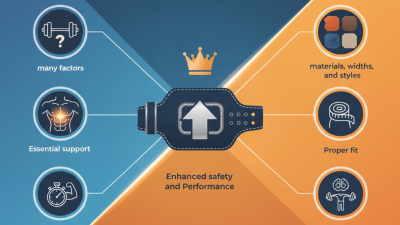
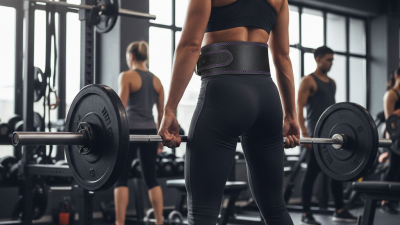
Choosing the right Lever Weightlifting Belt can greatly impact your workouts. Many lifters overlook the importance of a proper belt, yet it plays a crucial role in performance and safety. A good belt provides support, helps stabilize your core, and allows you to lift heavier weights with confidence.
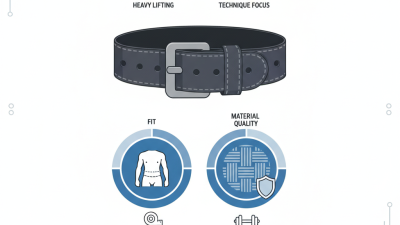
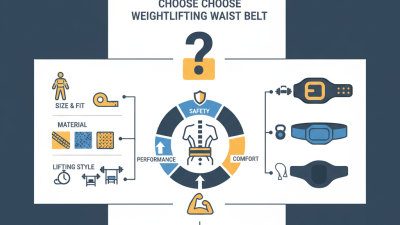
When selecting a Lever Weightlifting Belt, consider the material, width, and fit. High-quality leather belts offer durability and support. On the other hand, fabric belts provide comfort but may lack the necessary rigidity. You’ll also want a belt that fits snugly around your waist. An ill-fitting belt can lead to discomfort and hinder your lifting.
It's important to recognize that not all belts are created equal. Some lifters prefer wider belts for added support, while others may find them restrictive. Reflecting on your personal preferences and lifting style will guide your choice. Ultimately, the right Lever Weightlifting Belt should complement your training and help you achieve your fitness goals.
Factors to Consider When Choosing a Weightlifting Belt
When choosing a weightlifting belt, several factors should be considered. The primary purpose of a belt is to provide support for your lower back during heavy lifts. A well-fitted belt can help stabilize your spine, reducing the risk of injury. Ensure the belt fits snugly but isn’t restrictive to your movement. Measure your waist accurately for the best fit.
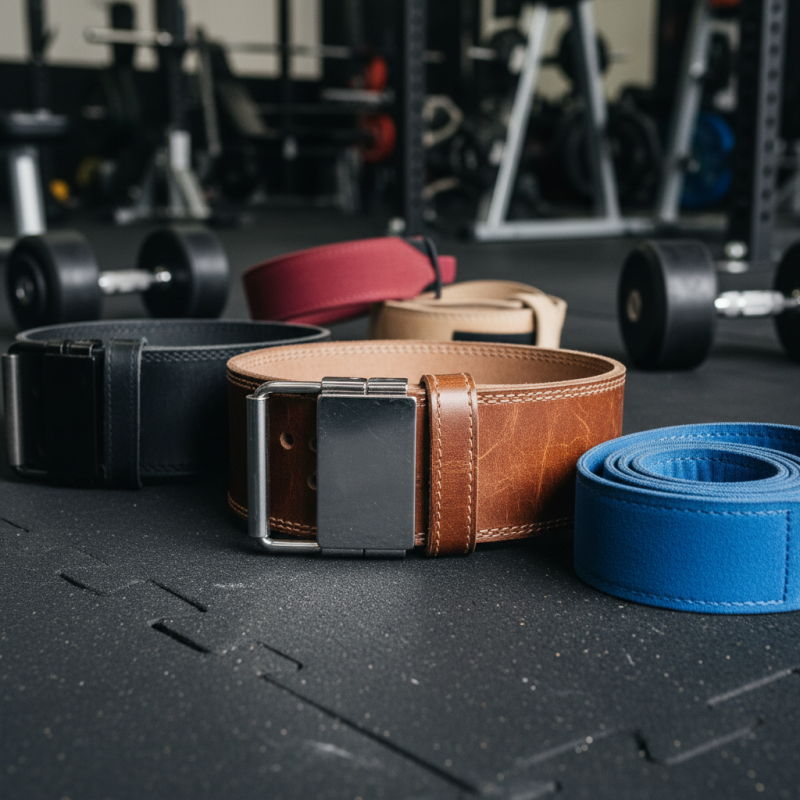
Another critical factor is the material of the belt. Leather belts are durable and offer solid support, while synthetic belts can provide flexibility and comfort. Think about your workout routine. If you often lift heavy weights, a more rigid belt may be necessary. If you are focusing on lighter lifts or comfort, a softer belt can be suitable.
The width and thickness of the belt also affect its performance. A wider belt can distribute pressure more evenly. However, it might limit movement slightly. Reflect on your personal comfort and performance. Try different designs to find what feels best. It’s about individual preferences and lifting styles.
Understanding Different Lever Mechanisms in Weightlifting Belts
When it comes to weightlifting belts, the lever mechanism is crucial. The lever system allows for quick adjustments, offering convenience during workouts. With a simple pull or push, you can secure the belt tightly. This is essential for maximizing support and reducing the risk of injury.
Understanding different lever mechanisms can influence your performance. Some belts feature a double lever, providing extra security. Others may have a single lever, which is easier to adjust on the fly. Weigh these options according to your lifting style. Do you need quick changes, or are you focused on maximum support?
Tips for selecting your belt:
- Try different lever styles. Feel the difference in support and adjustability.
- When trying on a belt, ensure it fits snugly. There should be no space between your body and the belt.
- Think about the materials. Leather offers durability, while synthetic options can be lighter.
Recognizing these factors can lead to better choices. Remember, not every style suits every lifter. Reflect on your lifting habits and preferences for the best fit.
Sizing Your Lever Weightlifting Belt for Optimal Support
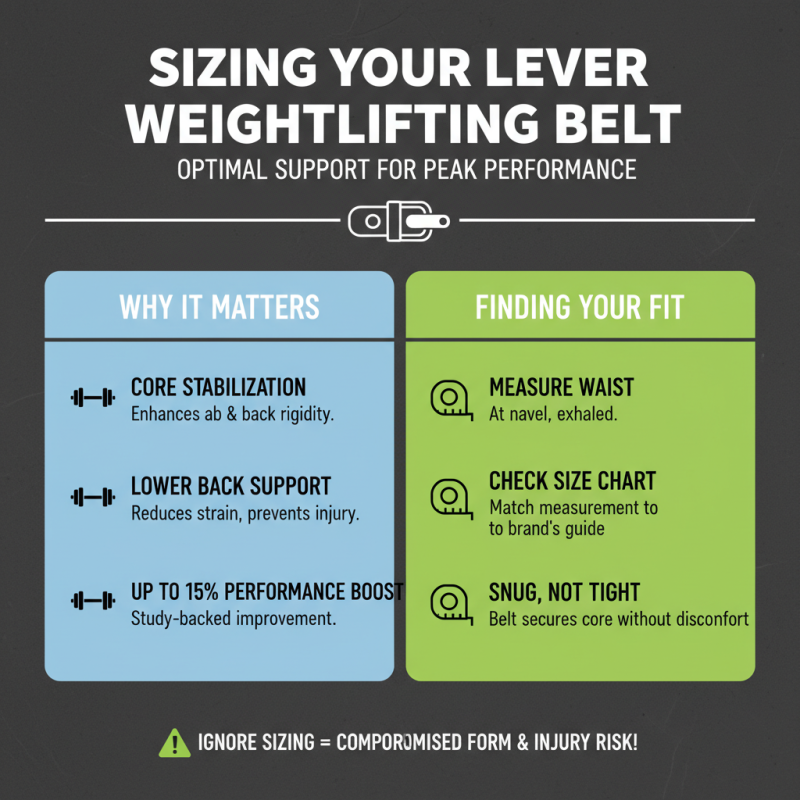
Choosing the right size for your lever weightlifting belt is critical for optimal support during workouts. A well-fitted belt stabilizes your core and supports your lower back. Industry studies indicate that proper belt sizing can enhance lifting performance by up to 15%. Yet, many athletes ignore sizing, leading to compromised form and potential injuries.
To size your lever weightlifting belt, first measure your waist at the level of your belly button. Use a soft tape measure for accuracy. Most belts come in a range of sizes, usually defined by waist measurements. It's essential to choose a size that accommodates your body without being excessively tight. A belt that is too loose won't provide the needed support. Conversely, one that is too tight may restrict movement and breathing.
When trying on a belt, consider how it feels during dynamic movements. Some weightlifters report discomfort when performing squats or deadlifts due to improper fit. This discrepancy may stem from not accounting for core expansion during lifts. Regularly check the fit of your belt as your body changes with training. The key is to find a balance that allows for both comfort and effective support.
Material Types and Durability: Which is Best for Weightlifting?
Choosing the right lever weightlifting belt involves more than just style. The material plays a critical role in the belt's performance and durability.
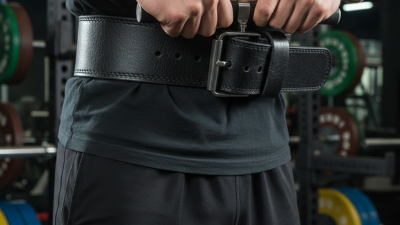
Leather belts offer superior support and longevity. They mold to your body over time, providing a comfortable fit.
On the other hand, synthetic belts are lightweight and often more affordable. They can be a great choice for beginners.
However, they may not provide the same level of support as leather.
It's essential to consider the thickness of the material. A thicker belt typically offers better support. However, it may feel restrictive for some lifters.
Experimenting with different thicknesses can help find the right balance. Additionally, check the stitching quality.
Flat stitching can sometimes be a weak spot. A well-constructed belt will endure intense workouts without fraying.
When selecting a belt, think about how often you'll use it. If you're lifting heavy weights regularly, investing in a high-quality leather belt could be wise.
For casual lifters, a synthetic option may suffice. Keep in mind personal preference. What feels comfortable for one may feel awkward for another.
Trust your instincts while choosing the belt that fits you best.
Comparing Price Ranges and Their Impact on Quality and Performance
When selecting a lever weightlifting belt, it's vital to consider how price influences quality and performance. In the market, prices can vary widely. A lower price often translates to materials that may not provide adequate support. However, it's important not to overlook budget-friendly options that can still offer decent performance for casual lifters. A belt that feels right might not cost much, yet it could enhance your workouts effectively.
Mid-range belts tend to balance cost and durability well. These often feature better stitching, sturdy materials, and ergonomic designs. They can withstand intense training sessions while providing the necessary support to the core. However, buyers should be cautious. Some mid-range options may not deliver the promised quality and wear out quickly.
High-end belts are usually made from premium materials. They offer the best support, comfort, and longevity. Yet, some expensive options may not fit every lifter's needs. Lifters must assess whether spending more truly enhances their performance. A thoughtful approach is crucial. Focusing on personal requirements over brand prestige can lead to a well-informed decision.