Choosing the right Weightlifters Belts is crucial for any serious athlete. Many lifters overlook this important piece of equipment. However, the right belt can enhance performance and prevent injuries.
When selecting Weightlifters Belts, consider size and fit. A well-fitted belt should sit snugly without cutting into your skin. It shouldn’t be too loose either; otherwise, it won’t provide adequate support. Different materials and widths also affect comfort and functionality.
Many lifters underestimate the psychological benefits of wearing a belt. A great belt can boost confidence as you lift heavier weights. Yet, some argue that reliance on belts could hinder core strength development. Finding a balance is key.
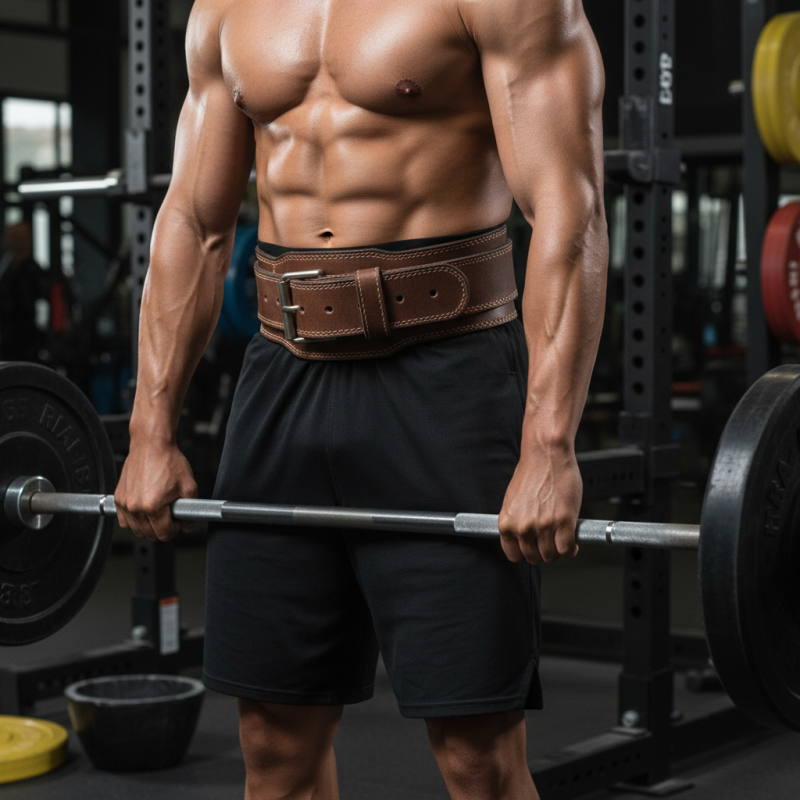
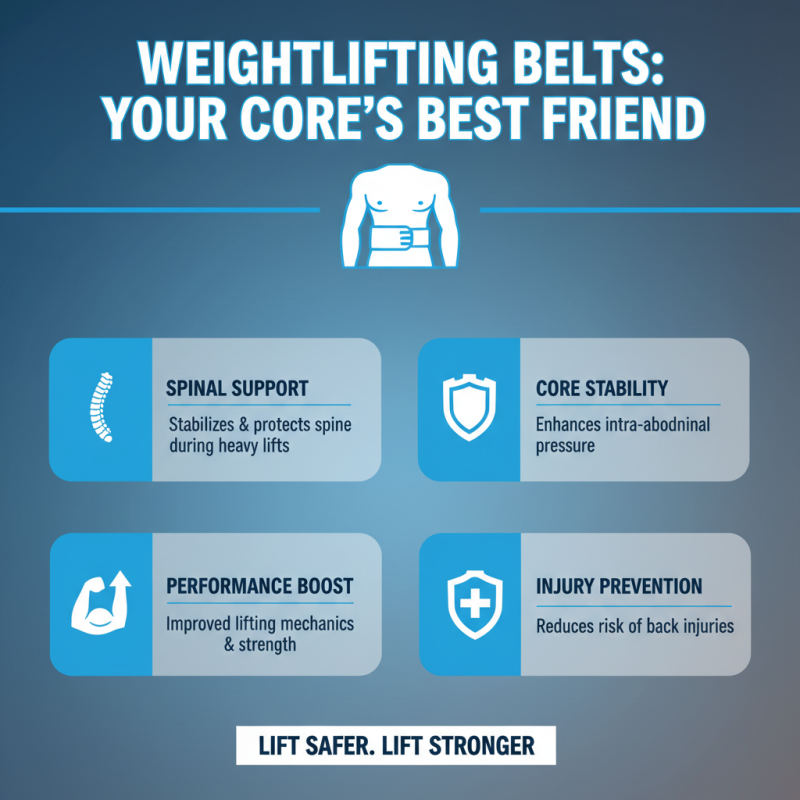
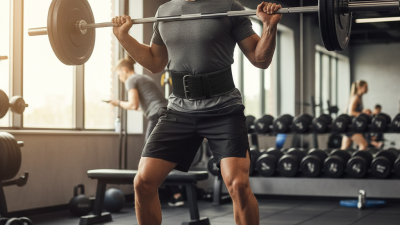
Weightlifting belts are essential tools in strength training. They support the core during heavy lifts. A well-fitted belt helps to stabilize and protect the spine. Many lifters notice improved performance when using a belt. The pressure it creates around the abdominal area enhances intra-abdominal pressure. This stability can lead to better lifting mechanics and reduced injury risk.
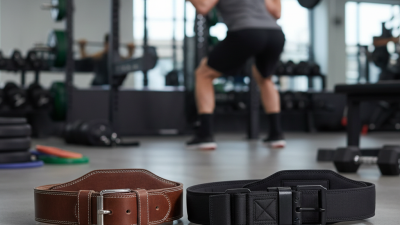
However, not all belts are created equal. Choosing the right one involves understanding your training style. Some belts offer more flexibility, while others provide maximum rigidity. A rigid belt may benefit powerlifters, while a more pliable option suits Olympic lifters. Reflect on your needs and the types of lifts you perform. Regular assessments of your technique and comfort level with the belt are important.
Using a weightlifting belt does come with caveats. Relying too heavily on it can weaken your natural core strength. Balance is crucial. Some lifters may hesitate to wear a belt for fear of dependency. Experimenting without a belt during lighter sessions can foster growth. Consider this a journey of discovering your optimal support.
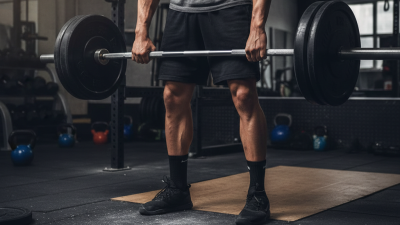
When selecting a weightlifting belt, it’s essential to understand the different types available. A general leather belt provides great support for heavy lifting. It offers stability, especially during squats and deadlifts. However, it may feel stiff for beginners. A cushioning, softer belt can be a good choice for those just starting out. These belts offer some support without the rigidity of leather.
Another option is the neoprene belt. This type is lightweight and flexible. It allows for a free range of motion, which is vital for dynamic movements. However, it may not provide the same level of support for heavy lifts. Lifters might find themselves questioning their comfort vs. support needs with neoprene belts.
Lastly, there are tapered belts. These are narrower at the front and wider at the back. They allow for more flexibility at the hips while maintaining back support. It's crucial to reflect on what fits your lifting style. Each type has its pros and cons. Personal preference plays a huge role. Choosing incorrectly could lead to discomfort or ineffective lifts, so weigh your options carefully.
| Belt Type | Material | Thickness | Use Case | Recommended For |
|---|---|---|---|---|
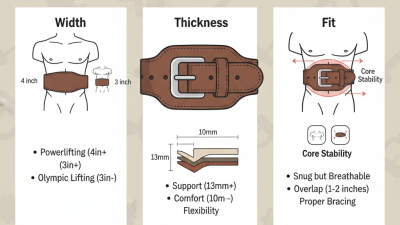
| Powerlifting Belt | Leather | 10 mm - 13 mm | Heavy lifting and squats | Advanced lifters |
| Olympic Weightlifting Belt | Vegan leather or nylon | 6 mm - 10 mm | Dynamic lifts and Olympic lifts | Intermediate and advanced lifters |
| Power Training Belt | Nylon | Various | All-purpose training | Beginners and general fitness enthusiasts |
| Weightlifting Support Belt | Neoprene or elastic | 3 mm - 5 mm | Lightweight support | Lifters focusing on flexibility |
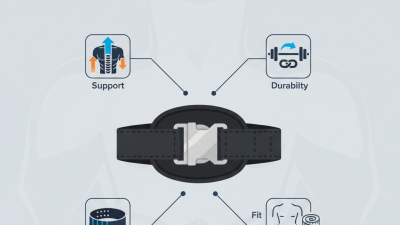
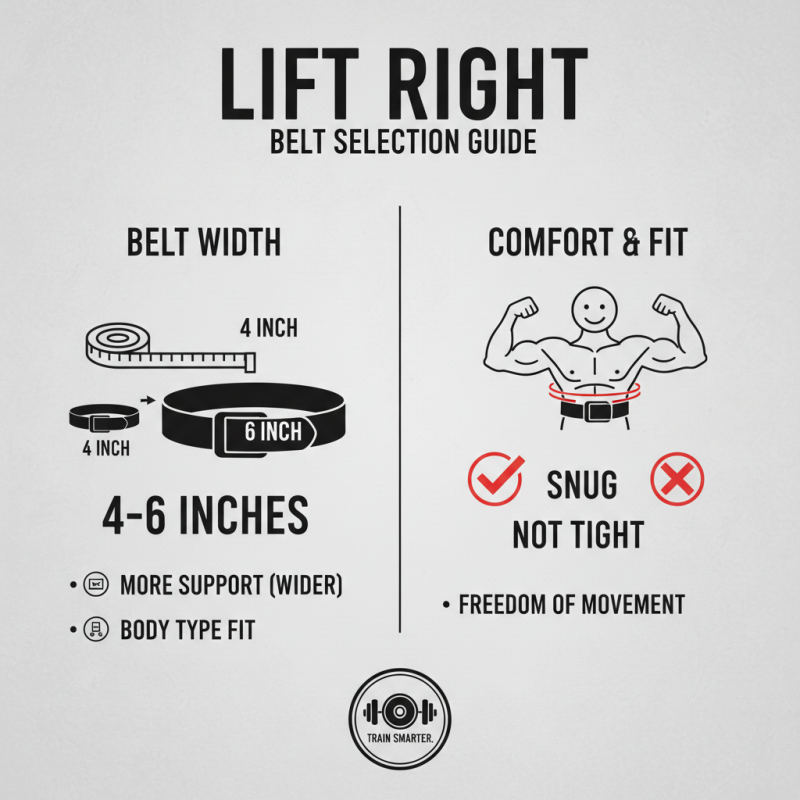
When selecting a weightlifting belt, focus on key features that align with your training goals. First, assess the width of the belt. A wider belt provides better support for the back and core. Most belts range from 4 to 6 inches in width. Choose what feels right for your body type. Remember, comfort is crucial. A belt that's too tight will hinder your movements.
Next, consider the material. Leather offers durability and strength, while nylon is lightweight and often more flexible. Each material has its pros and cons. Leather can be stiff initially, requiring a break-in period. Nylon, while softer, may not provide the same level of support over time.
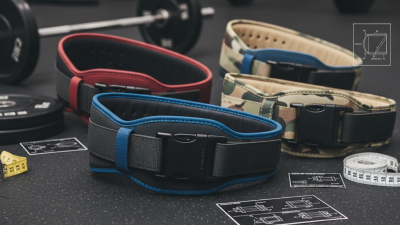
Buckle type is another essential aspect. A prong buckle offers security but can be less convenient. In contrast, a lever buckle provides quick adjustments. Reflect on your lifting style and preferences before making a choice. Choose wisely, as the right belt can enhance performance but may feel uncomfortable if not selected carefully.
Choosing the right weightlifting belt hinges on finding the perfect fit.
Start by measuring your waist. Use a soft measuring tape. Wrap it around your natural waistline, usually just above your hips.
Make sure the tape is snug but not overly tight. This measurement will guide you in selecting the appropriate size.
When comparing sizes, remember that different manufacturers may have varying standards.
If you're in between sizes, consider your preferences. Some like a tighter fit for maximum support, while others prefer a bit of room for comfort.
It's also a good idea to check if the belt has adjustability options.
A well-fitted belt should feel secure during lifts without causing discomfort.
Reflecting on your training style can also help.
Those who lift heavier might prioritize support over comfort. Meanwhile, casual lifters might focus on overall ease of wear.
Don't rush this decision. Poorly fitting belts can lead to injuries or less effective workouts.
Measuring correctly ensures you invest wisely in your training.
Caring for your weightlifting belt is crucial for improving its longevity and maintaining optimal performance. Many lifters overlook the importance of regular maintenance. A study by the Journal of Strength and Conditioning Research indicates that proper care can significantly extend the life of workout gear by up to 50%.
Typically, sweat and grime accumulate on belts during sessions. This buildup can cause deterioration over time. To combat this, wipe down your belt with a damp cloth after each use. Mild soap may also be used occasionally for a deeper clean. Avoid soaking your belt or using harsh chemicals, as these can lead to unwanted wear.
Storage is another critical aspect. Hanging your belt is ideal, as it prevents creasing. Sophisticated stacking can lead to permanent bends over time. A survey conducted among fitness enthusiasts showed that 70% of respondents noticed damage from improper storage. Taking care of your weightlifting belt is not just about maintaining appearance; it's about ensuring safety and performance. Treat it with respect, and it will serve you well.