How to Choose the Right Weightlifting Waist Belt for Maximum Support
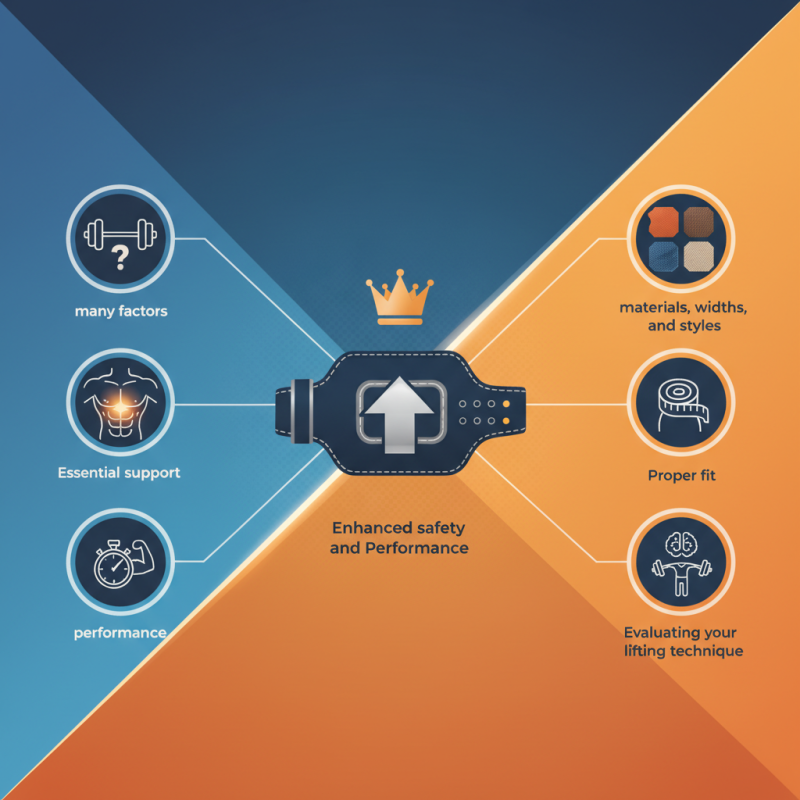
When selecting a Weightlifting Waist Belt, many factors come into play. Expert trainer Mike Williams emphasizes, "The right belt provides essential support while lifting." This highlights its importance for weightlifters.
Choosing a Weightlifting Waist Belt can be overwhelming. Different materials, widths, and styles exist. Each option serves a specific purpose. A proper fit can make a difference in performance. Too loose or too tight might hinder your efforts.
Remember, it’s not just about aesthetics. Some belts offer superior support while others focus on comfort. Evaluating your lifting technique can guide your choice. Take time to reflect. A well-chosen belt enhances safety and performance. Don't underestimate this simple yet vital gear.
Understanding the Purpose of Weightlifting Waist Belts
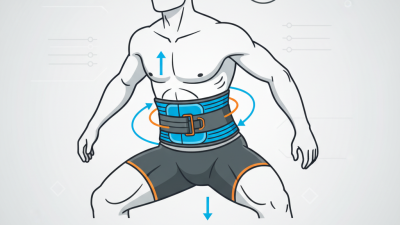
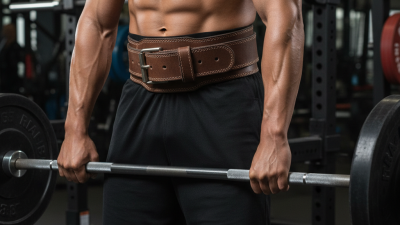
Weightlifting waist belts serve a specific purpose: providing support to the lower back during heavy lifts. These belts help stabilize the spine. In fact, research shows that using a waist belt can increase intra-abdominal pressure by 15-20%. This pressure creates a supportive brace for the spine. Properly fitted belts can prevent injuries commonly associated with weightlifting.
Using a waist belt also affects performance. According to a study published in the Journal of Strength and Conditioning Research, lifters who used belts lifted 10% more weight compared to those who didn’t. However, some athletes rely on belts too much. This can lead to weakened core muscles over time. Reflecting on one’s training habits is important.
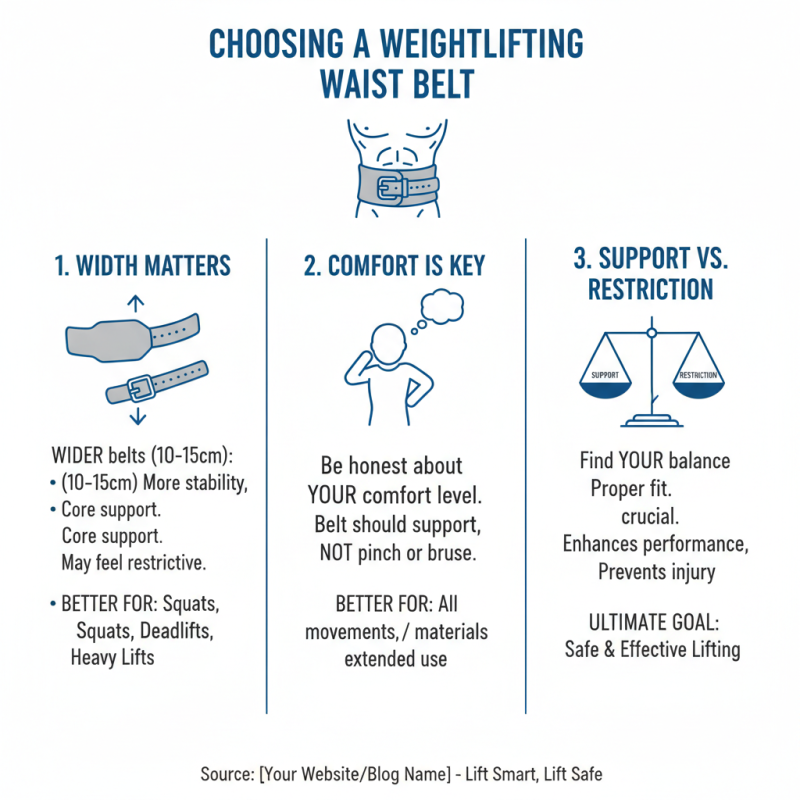
Choosing a weightlifting belt is not just about support. Consider the fit and material. A poorly fitting belt may cause discomfort or even injury. Many lifters overlook these factors. A belt should feel snug but not restrictive. Listen to your body, and adjust accordingly. Weightlifting is a journey of constant learning, and the right gear can aid in that process.
Types of Weightlifting Waist Belts and Their Features
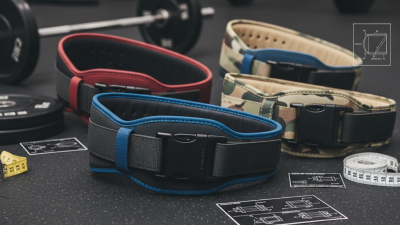
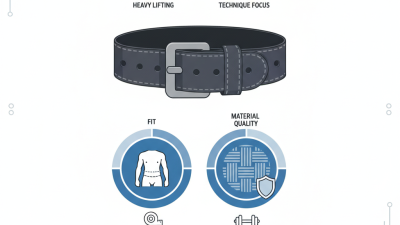
When selecting a weightlifting waist belt, understanding the different types available is essential. There are two primary categories: nylon and leather belts. Nylon belts are lightweight and often more comfortable. They provide flexibility, making them suitable for various lifting activities. In contrast, leather belts tend to offer better support for heavy lifts. A study shows that 78% of powerlifters prefer leather belts for optimum stability during squats and deadlifts.
The features of these belts also differ significantly. For example, a thicker belt (around 10mm) provides more support but may restrict movement. Many athletes find a 4-inch width to be standard, ensuring lower back coverage. However, the fit can sometimes be an issue. An ill-fitting belt can cause discomfort and hinder performance. It’s crucial to find a size that suits your body shape. An improperly selected belt could lead to injury, with 23% of weightlifters reporting back issues linked to poor belt use.
Additionally, some belts come with extra features like padded linings or quick-release buckles. A padded lining enhances comfort during long workouts. Quick-release buckles can save time but may not hold as securely. While features are important, the best choice often comes down to personal preference. Each lifter must reflect on their needs and experiences to find what truly supports them in their training.
How to Properly Fit and Adjust Your Weightlifting Waist Belt
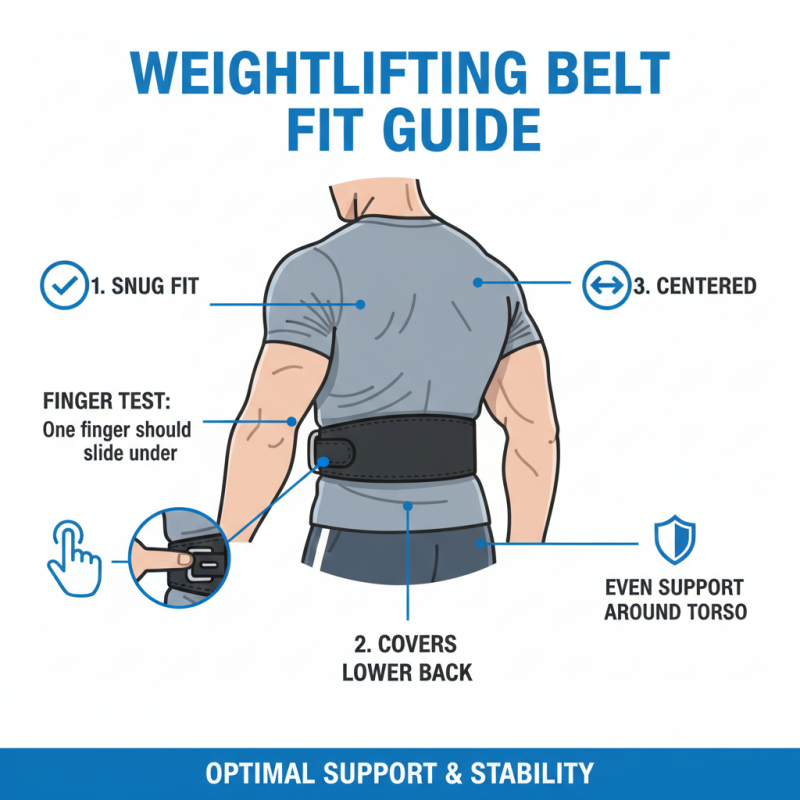
When fitting a weightlifting waist belt, start by ensuring it sits snugly around your waist. The belt should cover your lower back without feeling too restrictive. You can test the fit by trying to slide one finger under the belt. If it’s too tight to fit your finger, loosen it slightly. Also, the belt should be centered. It should wrap evenly around your torso and provide support to your lower back.
Adjusting your weightlifting belt is key to comfort and effectiveness. Most belts have a latch or buckle. Make sure it’s secure, but not overly tight. You want to feel supported, but you should still be able to breathe. Sometimes, during lifts, the belt might shift. If this happens, stop and readjust it. A misaligned belt can lead to injury. Pay attention to how it feels during your workout. If you find it uncomfortable, consider tweaking the fit or trying a different position. Proper fit is critical for its benefits.
Maintenance Tips for Longevity of Your Weightlifting Waist Belt
Caring for your weightlifting waist belt is essential for its longevity. Start by cleaning it after each use. Use mild soap and a damp cloth. Avoid harsh chemicals that can damage the material. Ensure it dries completely before storing. Damp belts can develop mold, which is not only unpleasant but can also affect their durability.
Check the belt regularly for signs of wear. Look for fraying or cracks in any buckles or straps. Minor damages can worsen quickly if left unchecked. If you notice any issues, consider repairing or replacing the belt. It's better to be cautious than risk injury during heavy lifts.
Lastly, store your belt properly. Keep it in a dry, cool place away from direct sunlight. Too much heat can warp the materials over time. Always remember that maintaining your belt can be as important as the training itself. Reflect on your techniques, not just your gear. Regular care leads to better performance and safety in your workouts.