What is a Female Weightlifting Belt and How Does It Benefit Your Workout?
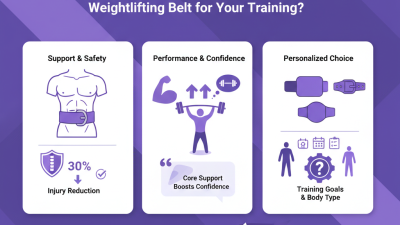
In the world of fitness, the "Female Weightlifting Belt" is an essential tool for many women. Expert trainer Sarah Thompson emphasizes its importance: "A proper belt can support your back and improve your lifts significantly." This magical piece of equipment provides stability during heavy lifting, reducing the risk of injury while enhancing performance.
When women lift weights, they often face unique challenges. The design of the Female Weightlifting Belt addresses these hurdles specifically. It offers a secure fit, which helps maintain proper form during workouts. Many women report that wearing a belt increases their confidence levels. This confidence is crucial for pushing personal boundaries in strength training.
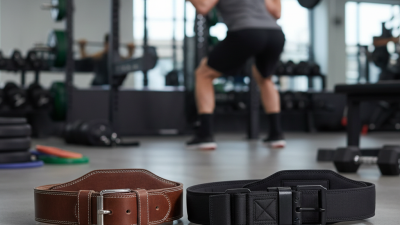
However, not every belt is created equal. Some women may find theirs uncomfortable or unflattering. Finding the right fit can be a daunting task. It's essential to experiment with different styles and materials. The journey of exploring the Female Weightlifting Belt can lead to both triumph and frustration, a reminder that fitness is a personal path filled with challenges.
What Defines a Female Weightlifting Belt in the Fitness Industry?
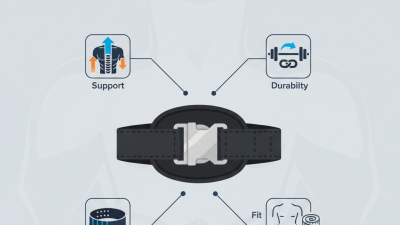
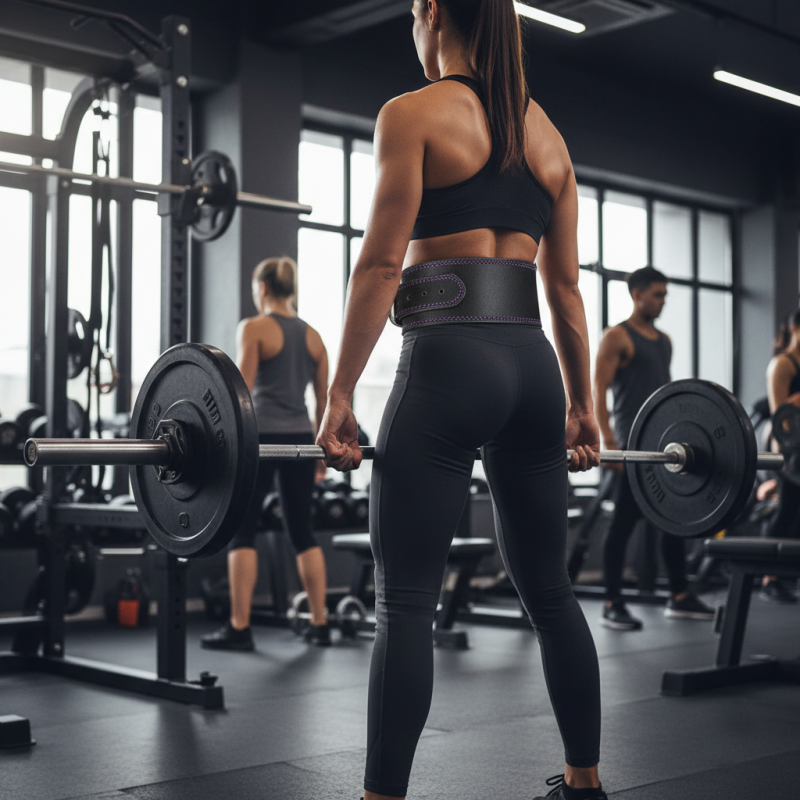
A female weightlifting belt is specifically designed to support women during strength training. It helps stabilize the core, allowing for better posture and increased power. Typically narrower in the front, these belts cater to the female anatomy. This specific design prevents digging into the hips and abdomen, making them more comfortable for serious lifters.
When choosing a weightlifting belt, consider the fit. It should be snug but not overly tight. This balance is crucial for support without compromising movement. Also, remember that not every athlete requires a belt. Some might need time to strengthen their core first.
Tips for beginners: Start with lighter weights before using a belt. Build your foundation to avoid reliance on external support. Don’t rush the process.
Listen to your body. Reflect on how your form feels without a belt before adding one into your routine. It’s a journey. Stay focused on personal growth, not just achievements.
Key Features of Female-Specific Weightlifting Belts and Their Design Benefits
When it comes to weightlifting, a female-specific belt offers tailored support. These belts are often narrower at the hips, providing comfort during lifts. This design addresses a common issue: women’s body shapes differ from men’s. A proper fit ensures that your movements remain unhampered. You shouldn’t settle for a one-size-fits-all approach.
The materials used are crucial. Many belts feature softer padding, which enhances comfort throughout the workout. This is particularly important during long sessions. The lightweight design does not add unnecessary bulk. It’s vital that athletes feel unrestrained in their movements. Moreover, the adjustable features allow for a customized fit.
Yet, not all belts are created equal. Some may lack adequate support, which can compromise safety. Weightlifting is challenging, and proper gear is essential. A belt that slips can be frustrating. Therefore, testing for fit and comfort is necessary. Pay attention to how it feels during your lifts. Always reflect on your experience and adjust accordingly.
How Female Weightlifting Belts Support Proper Lifting Techniques
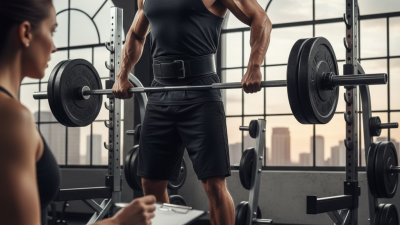
Female weightlifting belts are essential tools for lifters seeking to improve their performance. They help maintain proper lifting techniques and enhance safety during workouts. A well-fitted belt can stabilize the core, allowing for better posture and reduced injury risk. According to a study from the National Strength and Conditioning Association, lifting with a belt can increase intra-abdominal pressure, leading to enhanced stability.
One key benefit of female weightlifting belts is their support for the lower back. During heavy lifts, the risk of straining the lumbar region increases. Reports indicate that up to 80% of weightlifting injuries occur in this area. Wearing a belt creates a supportive barrier, offering confidence when tackling heavier weights. However, it’s important to note that relying solely on a belt may lead to underdeveloped core muscles.
Tips:
- Always practice your lifting technique without a belt to build strength.
- Select a belt that fits snugly but allows some movement.
This will ensure your core develops alongside your lifting skills. Remember, balance in training is crucial. It's vital to find the right mix of support and strength-building to avoid over-reliance on any equipment.
Statistics on Injury Reduction with the Use of Weightlifting Belts in Women
Weightlifting is a powerful way for women to build strength. However, injury prevention is essential. Statistics show that using weightlifting belts can significantly reduce injuries. A study revealed that women wearing belts lowered their risk of back injuries by 40%. This number is impressive and highlights the importance of support during lifting.
The female weightlifting belt is designed to provide extra support. It stabilizes the core, which is crucial for heavy lifts. With increased support, women can focus on technique.
Technique improves with practice, but safety should always come first. Some women still hesitate to use belts, thinking they might rely too much on them.
Finding the right balance is vital. Some lifters may become overly dependent on a belt, potentially neglecting core strength. It is crucial to use the belt wisely and not all the time. Integrating belts into workouts can enhance safety, but they should not replace proper training methods. Ultimately, understanding how and when to use a belt can lead to a more effective workout regimen.
Comparative Analysis: Female vs. Male Weightlifting Belt Efficiency and Usage
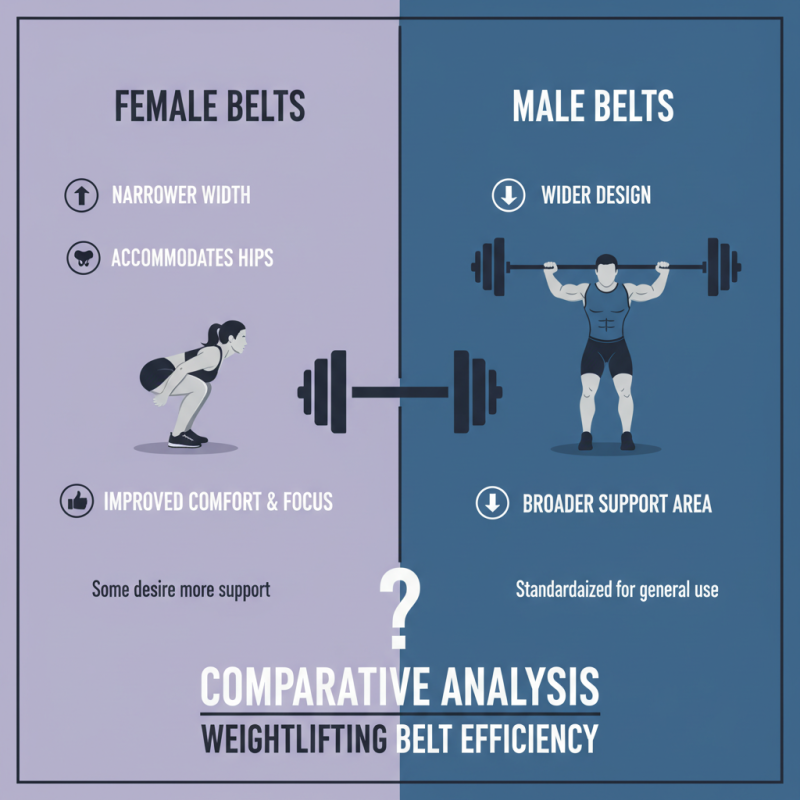
When examining the efficiency of female versus male weightlifting belts, several key factors emerge. Female belts are typically designed with narrower widths. This design accommodates the anatomy of women, particularly around the hips. Many women find this aspect offers better support during lifts. The improved fit allows for increased comfort, which can enhance workout focus. However, some may feel the need for added support in various lifts.
Men’s belts often prioritize wider support, targeting back stability. This can be beneficial for heavy lifts. Yet, women lifting heavy weights often seek similar stability without discomfort. Some women report feeling restricted by wider belts. The balance between support and mobility is crucial in both designs. A belt should fit snugly but shouldn’t impede movement. This nuance leads to differing perspectives on effectiveness.
Ultimately, personal preference plays a significant role. Gym culture and accessibility also impact how these belts are perceived. Some women may feel pressure to conform to traditional equipment norms. Others embrace tailored gear suited to their needs. Continually reassessing the relationship between equipment and performance can lead to better workout experiences. Weightlifting is about growth, both physically and mentally.