Top Fitness Belt Trends for 2026 What to Know?
As we look ahead to 2026, fitness enthusiasts are eager to explore the latest trends in fitness gear. The fitness belt is becoming an essential accessory in the workout world. It blends functionality with style, providing support for various activities.
This year, innovative designs make fitness belts more versatile than ever. New materials enhance comfort and performance. Brands are emphasizing breathability and durability to meet the needs of modern athletes. However, not all belts deliver on their promises. Some may lack the support needed for intense workouts.
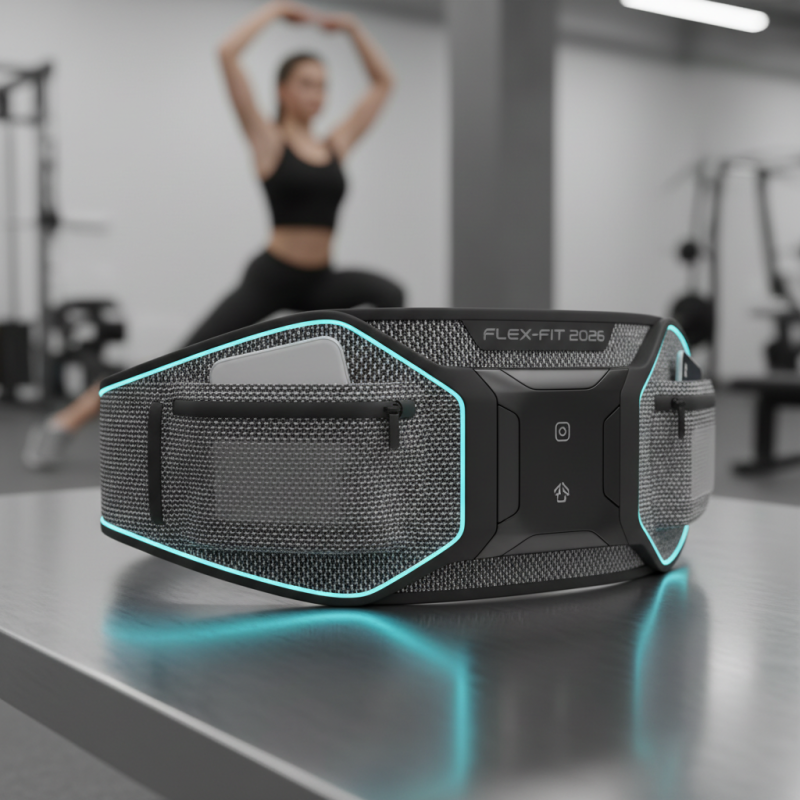
Fitness belts have also evolved in terms of technology. Advanced features provide users with real-time fitness data. But this innovation raises questions about usability. Many consumers find it daunting to navigate complex functionalities. In a fast-paced world, simplicity may often be overlooked. As trends develop, it’s crucial to choose wisely when investing in a fitness belt.
Current Popularity of Fitness Belts in the Market
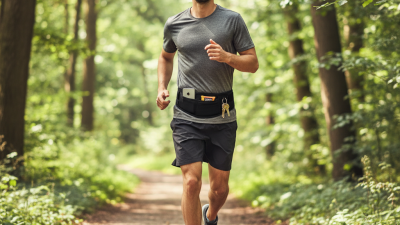
Fitness belts have surged in popularity, becoming essential accessories for many fitness enthusiasts. Their appeal lies in the convenience they offer. Users appreciate the ease of carrying essentials like keys, phones, and snacks during workouts. The rise in fitness belt use also highlights a shift in workout culture, where practicality meets innovation.
Many people find that wearing a fitness belt enhances their exercise routines. They can move freely without worrying about misplacing their belongings. However, not all fitness belts are created equal. Some people struggle with sizing and comfort. A belt that doesn’t fit well can hinder performance. It’s crucial to find a balance between functionality and comfort.
Recent trends show that consumers are opting for belts that feature advanced materials and adjustable designs. These products are more durable and tailored to diverse activities, from running to hiking. Yet, with this growth, there remains a challenge: discerning quality amidst countless options. Finding reliable information can feel overwhelming. Ultimately, users must prioritize what best suits their needs. The journey toward the perfect fitness belt often involves trial and error.
Key Features to Look for in 2026 Fitness Belts
As fitness trends evolve, 2026 promises innovative advancements in fitness belts. The most sought-after quality is comfort. Look for belts made from breathable materials. This helps regulate body temperature during intense workouts. Adjustable sizes will ensure a snug fit. A well-fitted belt supports movement without hindering performance.
Tech integration is another key feature in upcoming fitness belts. Built-in sensors can track heart rate and calories burned. This data can sync with your smartphone for real-time updates. However, it's important to consider accuracy. Some sensors may provide misleading information without proper calibration.
Lastly, durability is essential for any fitness gear. A high-quality belt should withstand daily use and various conditions. Water resistance is also critical, especially for outdoor enthusiasts. While materials may improve, ongoing user feedback will be crucial. This highlights the need for constant evaluation and refinement. Remember, the best fitness belt will ultimately enhance your unique workout journey.
Top Fitness Belt Trends for 2026
Innovative Materials and Technology in Fitness Belt Design
As fitness evolves, so do the materials and technology in fitness belts. The upcoming trends in 2026 indicate a shift toward innovative, eco-friendly materials. Manufacturers are exploring biodegradable fabrics that maintain durability and comfort. These materials offer a better alternative to traditional synthetics, promoting sustainability in fitness gear.
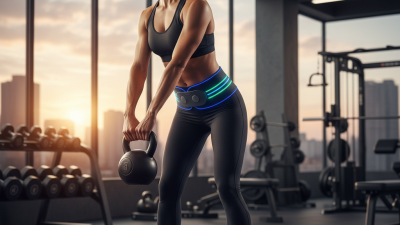
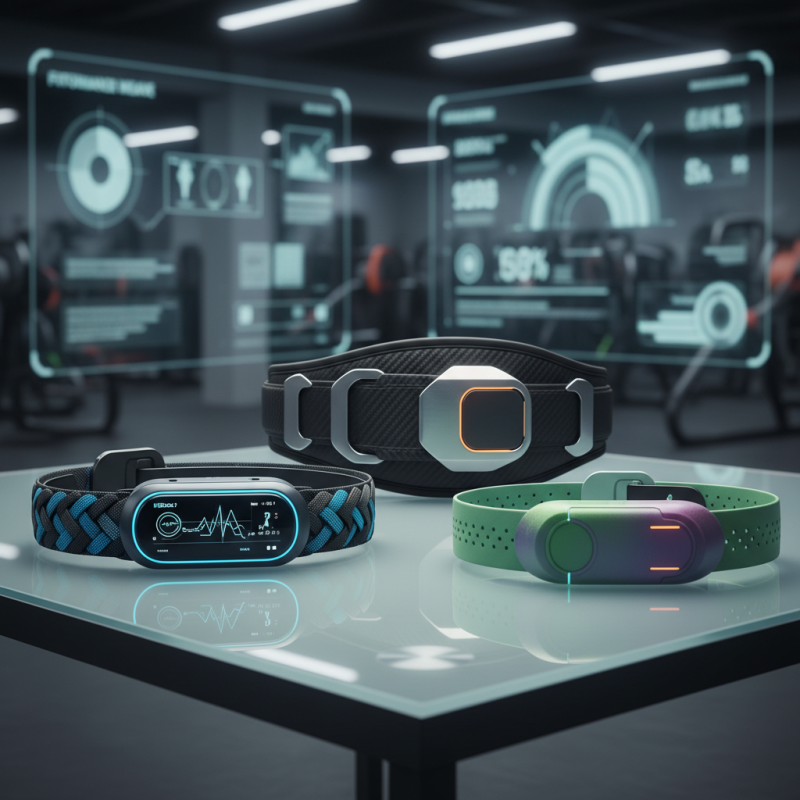
Wearable technology is also at the forefront of fitness belt design. New devices may include heart rate monitors and activity trackers. Such integration allows users to monitor their performance in real time. These features enhance workouts by providing immediate feedback for improvement. However, it’s essential to consider how reliable these technologies are during intense physical activities.
Tips: Choose a fitness belt that fits snugly but is not too tight. Comfort is critical for an effective workout. Ensure the technology is suited to your fitness routine and meets durability standards. Take time to read reviews and research materials used in production. These can help inform your choices and lead to a better training experience.
Future Predictions: The Evolution of Fitness Belts Beyond 2026
As the fitness industry continues to evolve, so do the tools we use to enhance our workouts.
Fitness belts, once primarily focused on convenience, are set to
transform dramatically by 2026. Experts predict that technological
advancements will drive innovation in this category. According to a recent report by the
Global Sports Technology Market, the segment will exceed
$30 billion by 2027, reflecting a strong demand for
multifunctional fitness accessories.
The future might see fitness belts integrated with advanced biometric sensors. These devices will
provide real-time data on heart rate, calorie expenditure, and even stress levels. This data will
help users adjust their workouts for maximum efficacy. However, concerns are arising about data
privacy. Individuals may hesitate to wear highly connected devices due to fears over their
personal information. This gap presents an opportunity for manufacturers to prioritize user trust
alongside technological advancement.
Customization will also play a critical role in upcoming trends. Users may prefer belts that adapt
to various activities and preferences. Some belts could be designed for aesthetics, while others
focus on comfort and functionality. Industry insights suggest that consumer desires are increasingly
diverse. Addressing this complexity will be a challenge for developers. Balancing innovation with
user needs will be crucial as the market continues to grow.