What is Fitness Belt Waist and How Does it Benefit Your Workouts?
The concept of the Fitness Belt Waist has gained significant attention in the fitness community. This innovative accessory aims to enhance workout efficiency and improve overall performance. Many athletes and fitness enthusiasts believe that it can help them achieve their goals faster. But what exactly is the Fitness Belt Waist, and how can it benefit different workout routines?
At its core, the Fitness Belt Waist is designed to provide support during physical activities. Some users report better posture and reduced strain on their backs while wearing it. Others notice an increase in core engagement. These advantages can lead to more effective workouts and faster results. However, not every experience is flawless. Some individuals might find it uncomfortable or too restrictive. It’s essential to choose the right size and fit for optimal use.
Incorporating the Fitness Belt Waist into your routine can promote a sense of accountability and motivation. For many, it serves as a reminder to stay active and focused. However, it’s important to reflect on your unique needs and circumstances. Will it complement your workout style, or will it hinder your movement? Making an informed decision can lead to a more fulfilling fitness journey.
What is a Fitness Belt Waist and Its Key Features
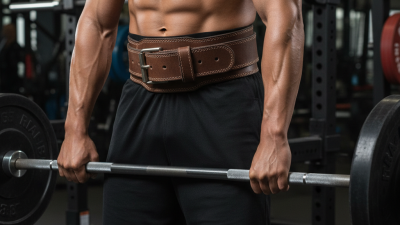
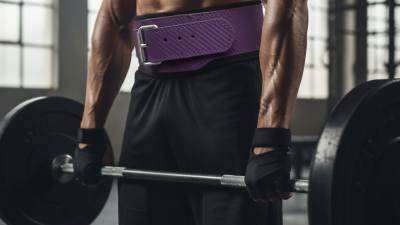
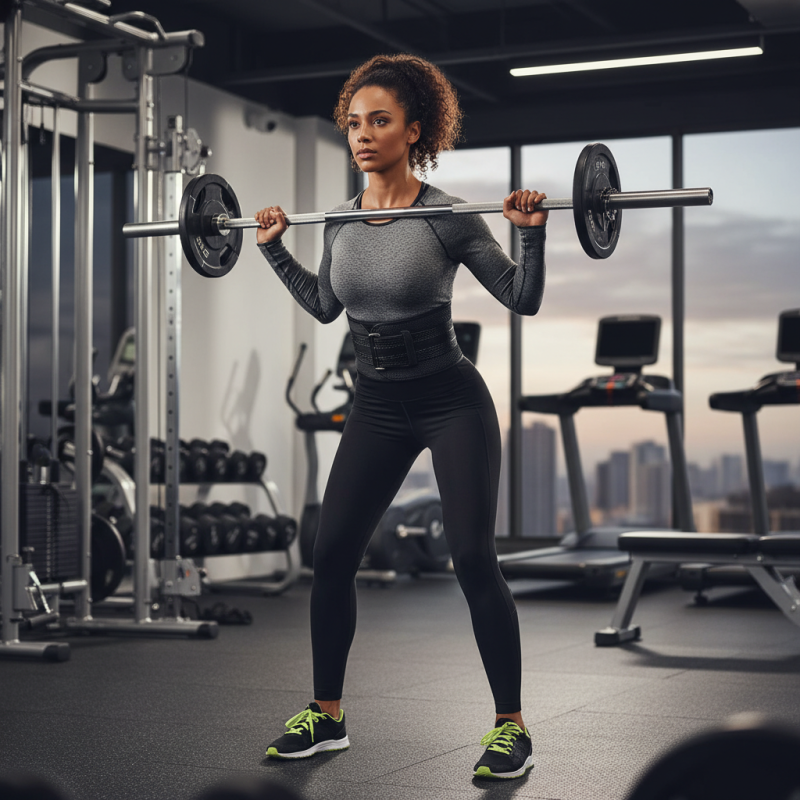
A fitness belt waist is designed to enhance your workouts by providing support and stability. This accessory wraps around your waist and can help improve your posture during various exercises. Whether you are lifting weights or doing cardio, a solid fitness belt can guide your body in maintaining proper alignment.
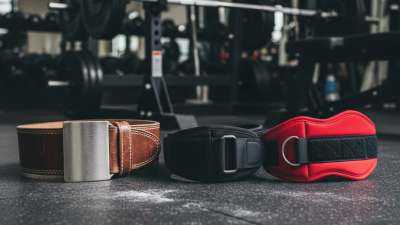
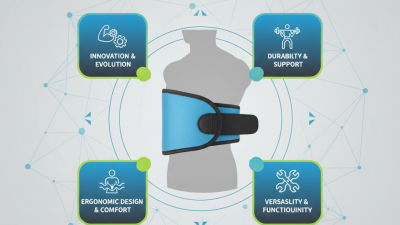
Key features of a fitness belt include adjustable straps for a snug fit and durable materials for longevity. Many belts are crafted from flexible fabrics that allow freedom of movement. Some include pockets for carrying essentials like your phone or keys while working out. It's important to find the right size to ensure comfort.
Despite these benefits, not everyone finds them helpful. Some may feel restricted in movement, especially during high-intensity exercises. It’s crucial to evaluate if a fitness belt works for your specific routine. Overall, while many athletes appreciate these accessories, individual preferences and needs should guide the decision to incorporate them into workouts.
What is Fitness Belt Waist and How Does it Benefit Your Workouts?
| Feature |
Description |
Benefits |
| Material |
Neoprene, polyester, or nylon |
Durable and flexible for comfort during workouts |
| Size Options |
Small, Medium, Large, XL |
Fit various body types for effective use |
| Waist Support |
Provides compression to lower back |
Helps prevent injury during heavy lifting |
| Weight Loss Aid |
Increases thermal activity |
Can help in burning extra calories |
| Adjustability |
Adjustable straps for customized fit |
Enhances comfort and stability during workouts |
The Role of Compression in Enhancing Workout Performance
Compression wear, such as fitness belts, can significantly enhance workout performance. Research indicates that compression gear can improve blood circulation. This leads to better oxygen delivery to muscles. A study published in the Journal of Sports Science showed that participants wearing compression garments had a 5% increase in endurance. This can be crucial for athletes looking to maximize their time in training.
The benefits of compression extend beyond endurance. It also aids in muscle recovery. Data from a study in the British Journal of Sports Medicine highlighted that athletes wearing compression gear experienced less muscle soreness post-exercise. This allows for quicker recovery and more effective training sessions. The improved recovery time can enable athletes to train more frequently, thus improving overall performance.
However, not all compression gear performs equally. The fit and material play vital roles in its effectiveness. Ill-fitting or too tight garments can cause discomfort and even restrict movement. Proper education on choosing the right gear is essential. It's important to seek advice from professionals or trainers to make informed choices. Ensuring a balance between compression benefits and comfort is key to maximizing workout potential.
How Fitness Belts Can Improve Posture During Exercise
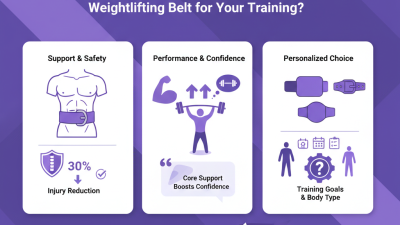
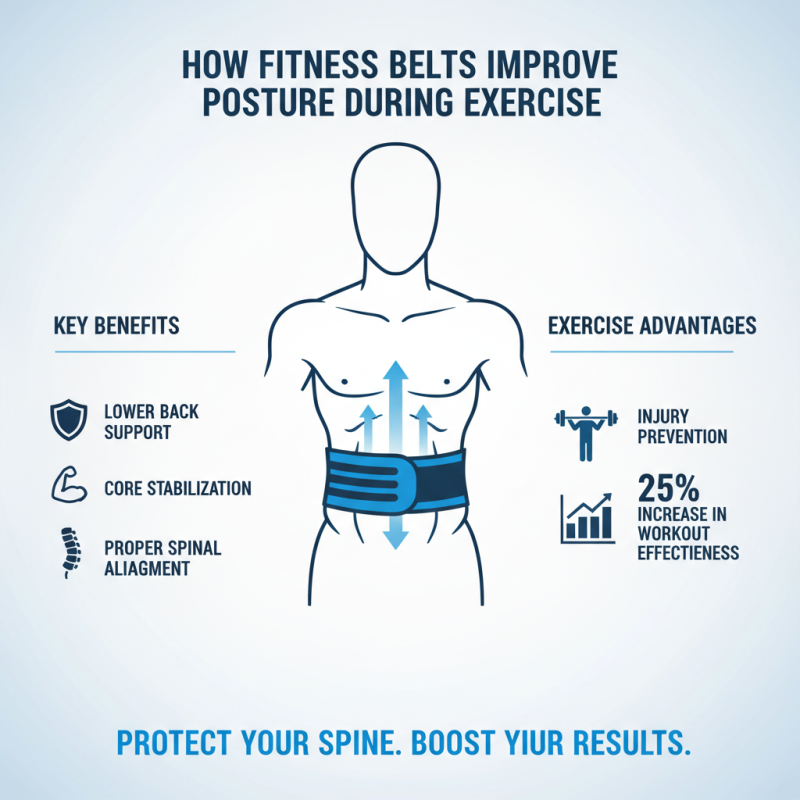
Fitness belts are gaining popularity among fitness enthusiasts. These belts support the lower back and core during workouts. They help maintain proper posture, which is essential for preventing injuries and maximizing efficiency in exercises. Studies suggest that better posture can lead to a 25% increase in workout effectiveness. This means that using a fitness belt might not only protect your spine but also improve your overall workout results.
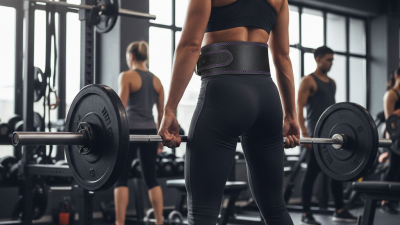
The design of fitness belts encourages awareness of body alignment. By providing gentle pressure to the abdomen, these belts remind wearers to engage their core. This engagement is crucial during exercises like squats and deadlifts, where improper posture can lead to strain. Moreover, research indicates that over 80% of individuals using fitness belts reported improved stability and confidence in their movements. However, relying solely on a belt without proper strength training can create dependency, and we must recognize that balance is key.
Many users find that belts enhance their form, yet not everyone experiences the same benefits. Personal preference plays a significant role. Users need to listen to their bodies. It’s also worth noting that, while beneficial, fitness belts should be seen as a tool to support, not replace, core strength training. Experimenting with different intensity levels of exercise while wearing a belt can help individuals find what truly works for them.
Scientific Studies Supporting the Use of Fitness Belts
The use of fitness belts has gained traction among fitness enthusiasts. Scientific studies have shown that these belts can enhance stability and support during exercise. For instance, research published in the Journal of Strength and Conditioning found that weightlifters experienced better performance when using a supportive waist belt. This indicates a potential increase in lifting capacity due to improved core stability.
Another study revealed that wearing a fitness belt can reduce the risk of injuries. An analysis in the American Journal of Sports Medicine indicated that proper support minimizes strain on the lower back during heavy lifting. Participants reported fewer discomfort levels when wearing a fitness belt compared to those who did not. This suggests that incorporating a fitness belt into workouts may be prudent for those engaging in resistance training.
However, it’s essential to reflect on individual needs and training levels. Not all exercises require a belt. Over-reliance may lead to weaker core muscles. Personalized training plans should balance belt use while promoting core strength. Understanding when and how to use fitness belts can maximize their benefits while fostering a safe workout environment.
Tips for Choosing the Right Fitness Belt for Your Needs
Choosing the right fitness belt is essential for maximizing your workout. A good fitness belt should fit snugly without causing discomfort. It should stay in place while you exercise, providing support where needed. The right belt can enhance your performance and prevent injuries.
When selecting a fitness belt, consider the material. Look for breathable fabrics that wick away moisture. This is vital for long workouts. Also, pay attention to the belt's adjustability. Many belts offer adjustable sizes to ensure a perfect fit. Don’t underestimate the importance of a proper fit, as a loose or tight belt can distract you.
Another tip is to check the width of the belt. A wider belt offers more support but may restrict movement. Think about the types of workouts you do most. If you’re lifting weights, a thicker belt can be beneficial. However, for cardio-focused exercises, a slimmer design might be preferable. Flexibility is key in finding a balance that works for your training style.