What is a Gym Weightlifting Belt and How Does It Work?
A Gym Weightlifting Belt is a crucial tool for many athletes and fitness enthusiasts. It provides support during heavy lifts and helps maintain proper form. According to a report by the National Strength and Conditioning Association, using a weightlifting belt can increase lifting performance by 10-15%. This support is especially vital for exercises like squats and deadlifts.
Experts emphasize the importance of a well-fitted Gym Weightlifting Belt. Dr. Mike S. O'Leary, a renowned strength training coach, states, "Proper use of a weightlifting belt can enhance stability and reduce the risk of injury." However, not all lifters are using belts correctly. Some rely too heavily on them without building core strength, which can lead to imbalances.
Many lifters might overlook the right technique and timing of wearing a Gym Weightlifting Belt. It shouldn't replace good form or core engagement. The details matter, as improper use can hinder performance and lead to injuries. Understanding both the benefits and limitations of this equipment is essential for success in strength training.
What is a Gym Weightlifting Belt?
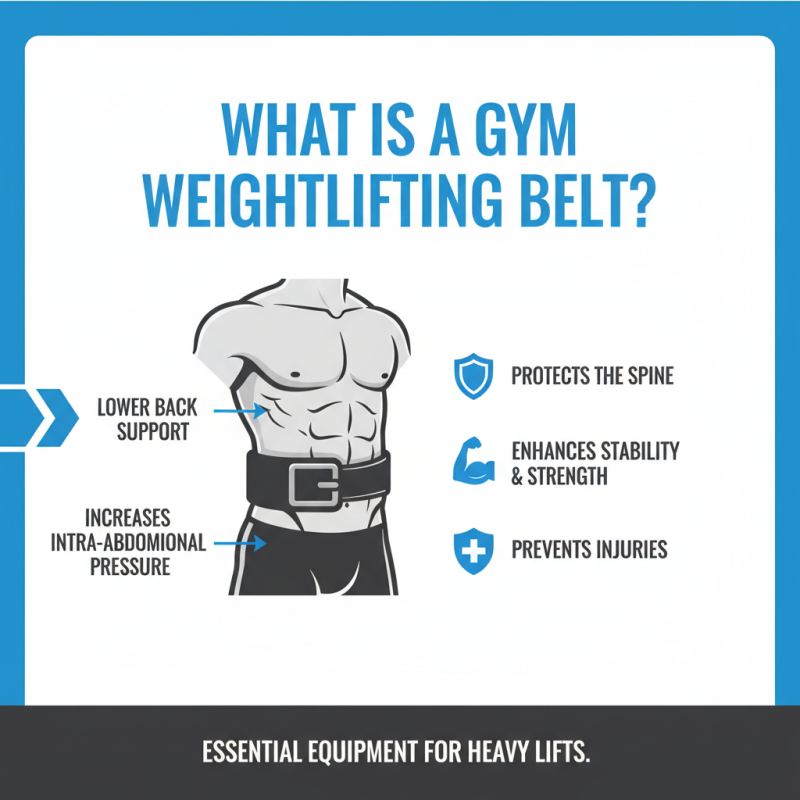
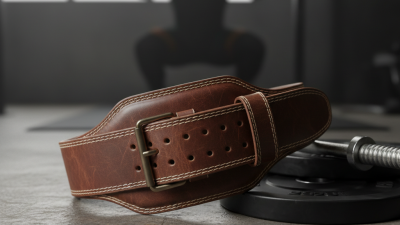
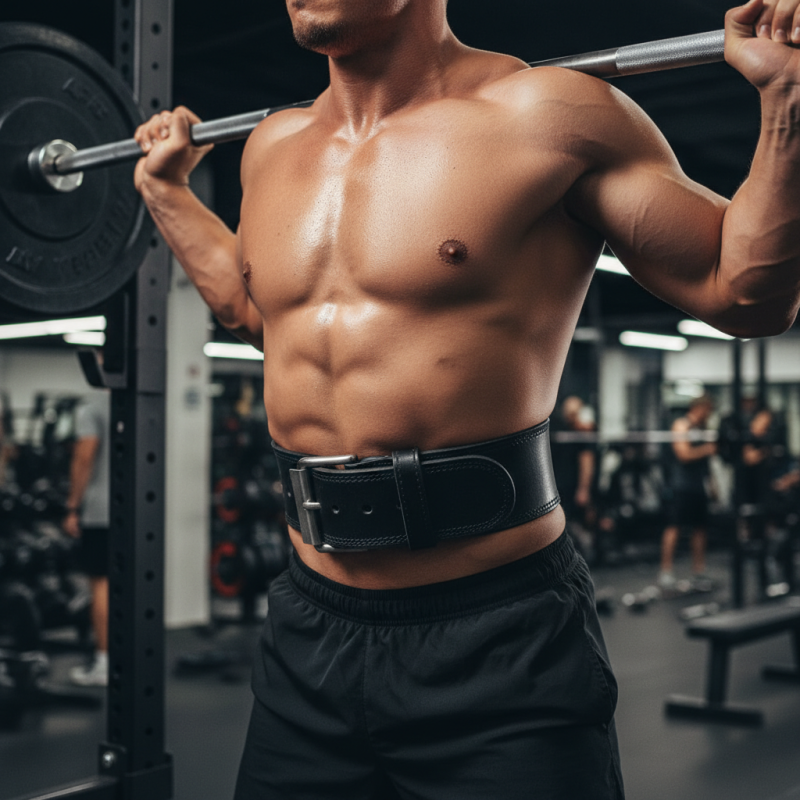
A gym weightlifting belt is an essential piece of equipment for many strength trainers. It is designed to support the lower back during heavy lifts. By providing additional stability, it helps to increase intra-abdominal pressure. This pressure protects the spine and can prevent injuries.
Research shows that using a weightlifting belt can enhance performance. A study published in the Journal of Strength and Conditioning Research indicated that lifters could lift about 10% more when using a belt. This increase is significant for athletes training at high levels. However, relying solely on a belt may also foster dependency. Lifters might neglect core strength training, which is vital for overall stability.
Lifting with a belt improves safety but should not be overused. Beginners might feel insecure when lifting without one. It's crucial to understand that a belt does not replace proper form and technique. Lifters should feel encouraged to strengthen their core without it. Relying too much on a belt may lead to poor habits in the long run.
The Purpose and Benefits of Using a Weightlifting Belt
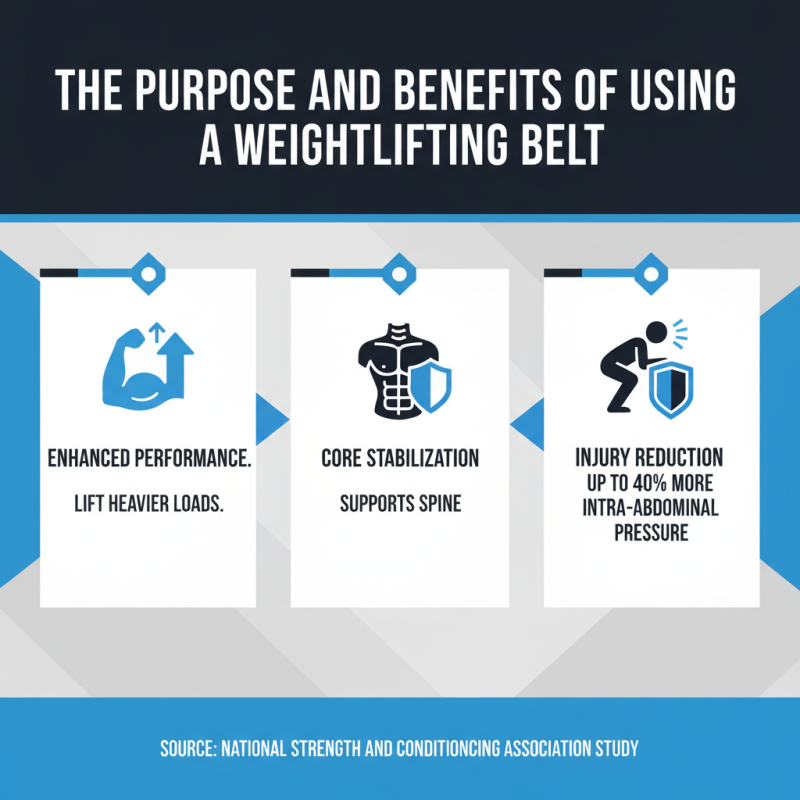
Weightlifting belts serve a critical role in enhancing performance and safety during resistance training. These belts help stabilize the core, which is essential for lifting heavy loads. According to a study by the National Strength and Conditioning Association, a properly worn belt can increase intra-abdominal pressure by up to 40%. This pressure supports the spine and reduces the risk of injury.
Using a weightlifting belt can also improve lifting technique. When worn correctly, it encourages proper posture, preventing excessive forward bending and maintaining a neutral spine. However, some lifters may rely too heavily on their belts. This dependence can lead to weakened core muscles over time. It's essential to balance belt use with core strengthening exercises.
Tips: Always engage your core when lifting, whether wearing a belt or not. Focus on developing a strong midsection to support your lifts. Choose a belt that fits snugly but allows movement. Regularly evaluate your lifting form. Keeping things in check can help prevent injuries and maintain progress.
How to Choose the Right Weightlifting Belt for You
Choosing the right weightlifting belt can significantly improve your performance. A well-fitted belt aids in stabilizing your core and reducing the risk of injury. According to a report from the National Strength and Conditioning Association, proper use of a weightlifting belt can increase your lifting capacity by up to 15%. However, not all belts are created equal.
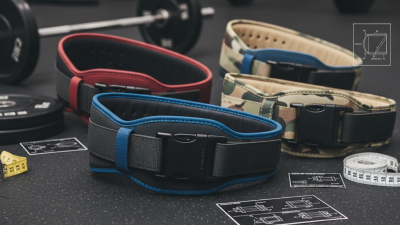
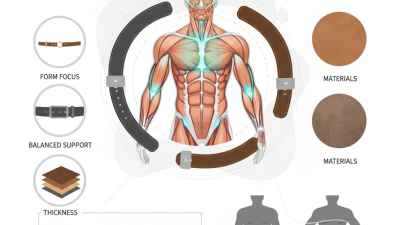
When selecting a weightlifting belt, consider material and width. Leather belts often provide better support than nylon counterparts. A belt that is too stiff may hinder movement, while one that is too soft won't provide adequate support. The width usually varies between 4 to 6 inches. A wider belt can distribute pressure more evenly but may feel uncomfortable during certain lifts. Research shows that a belt's fit is crucial; it should sit snugly but allow for ventilation.
Fit is not just about size. Many lifters overlook this detail. A belt that slides around during lifts can detract from performance. Test different styles before committing. Remember, a personalized approach to choosing a belt is often missed in the rush to gear up. Be willing to adjust based on your specific lifting style and needs.
How to Properly Use a Weightlifting Belt During Workouts
A weightlifting belt adds support to your core during heavy lifts. It works by increasing intra-abdominal pressure, stabilizing your spine. Research shows that proper use of a weightlifting belt can boost your performance. Athletes can lift up to 15% more weight when they wear one, according to several studies.
Using a weightlifting belt requires a bit of technique. First, position the belt so it rests just above your hips. It should feel snug but not overly tight. Focus on bracing your core by taking a deep breath before each lift. Many novice lifters make the mistake of relying too much on the belt. This can weaken core muscles over time. Balance is important.
Remember, not every lift requires a belt. Deadlifts and squats are prime candidates, while lighter lifts might not need one. Also, think about your lifting environment. If you’re training alone, ensure your technique is solid. A belt is not a magic solution. It should complement a strong foundation of strength training. Reflect on your personal gains, and adjust your reliance on this tool as needed.
Common Myths and Misconceptions About Weightlifting Belts
Many people believe that weightlifting belts are a quick fix for poor form. This misunderstanding can lead to reliance on the belt for every lift. A lifting belt does provide support. However, it cannot substitute for good technique. Relying too much on it may actually hinder progress.
Another common myth is that belts increase strength. While they can help stabilize the core, they don’t magically add pounds to your lift. A belt merely supports the body, allowing for better intra-abdominal pressure. This support is valuable for heavy lifts, but it’s not a license to lift with bad form.
Some lifters think belts are only for advanced athletes. This is misleading. Beginners can also benefit from a belt, especially when lifting heavy. However, it’s crucial to learn how to lift properly without one first. We must balance the use of equipment with solid foundational skills.