2026 How to Choose the Best Nylon Weightlifting Belt?
Choosing the right Nylon Weightlifting Belt can significantly enhance your lifting experience. Weightlifting belts provide support and stability. However, not all belts are made equal.
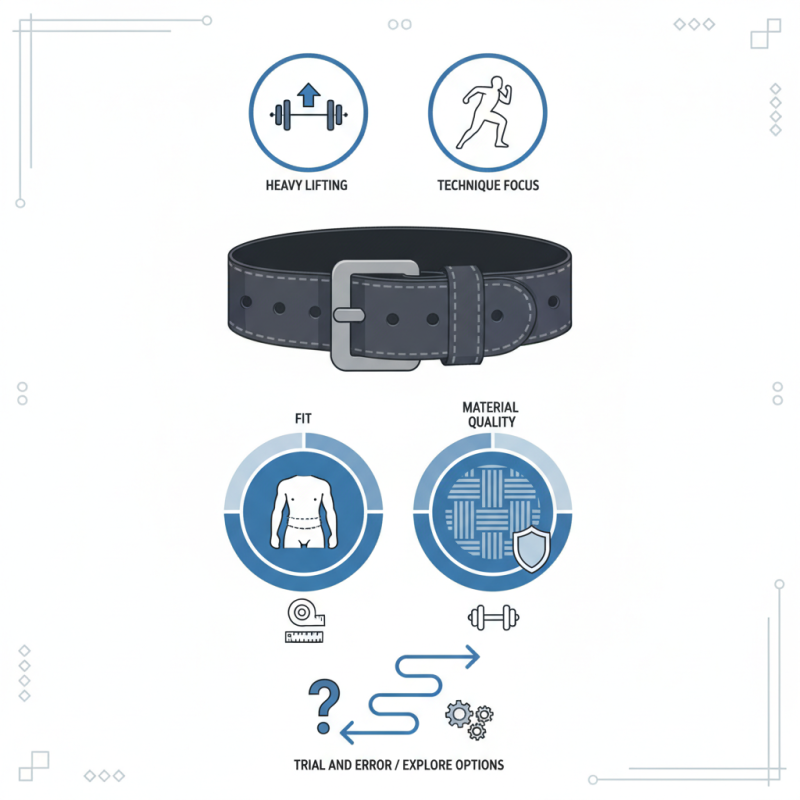
When selecting a Nylon Weightlifting Belt, consider the fit and material quality. A good fit protects your back. The right material ensures durability, essential for heavy lifting. Each lifter has unique needs, and a perfect fit may not be easy to find.
Take time to reflect on your lifting style. Are you lifting heavy or focusing on technique? Your choice may vary based on your goals. Explore various options to find the best belt. Sometimes, the perfect choice isn’t obvious and may require some trial and error.
Understanding the Importance of a Weightlifting Belt in Training
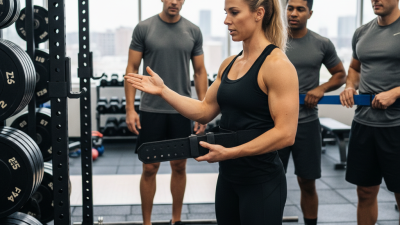
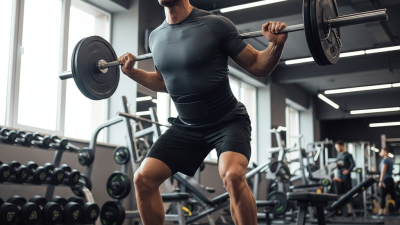
A weightlifting belt is an essential tool for many athletes. It provides support for the lower back during heavy lifts. This support is crucial as it helps maintain proper posture. A belt can enhance performance by stabilizing the core. This stability allows lifters to push their limits safely.
Choosing the right belt is vital. The right fit matters greatly. A belt that is too loose won't provide adequate support. One that is too tight can hinder movement. It's important to find a balance. Consider the thickness and material of the belt. Different weights and types of lifts may require varied thickness.
Training without a belt can lead to mistakes. Many lifters neglect the need for a belt until they experience discomfort. Ignoring lower back pain is common but risky. Reflect on your training approach. Should you use a belt more often? A good belt can make a difference, especially during peak lifts. Being aware of your body’s signals is key to improvement.
Key Features to Look for in a Nylon Weightlifting Belt
Choosing the right nylon weightlifting belt can make a huge difference in your performance. Key features should include durability, comfort, and adjustability. Industry data indicates that belts made from high-quality nylon tend to last longer, even under heavy use. A well-stitched belt usually withstands the strain from intense lifting sessions.
Comfort is another critical aspect. A belt that feels too tight or rigid can hinder your movements. Look for belts with padding or breathable materials. This can enhance your overall lifting experience. Some reports suggest that a significant percentage of lifters find comfort directly influences their lifting efficiency.
Lastly, adjustability is vital for a proper fit. Some belts come with multiple size options or quick-release buckles. This ensures a snug fit without compromising mobility. An ill-fitting belt can lead to decreased performance or even injuries. Remember, finding the perfect belt requires testing different sizes and styles. By reflecting on your workout routine, you can identify what works best for you.
2026 How to Choose the Best Nylon Weightlifting Belt? - Key Features to Look for in a Nylon Weightlifting Belt
| Feature |
Description |
Importance |
| Material |
High-quality nylon for durability and flexibility |
Essential for resistance against wear and tear |
| Width |
Common widths range from 4 to 6 inches |
Important for providing adequate support to the back |
| Adjustability |
Features a quick-release buckle or velcro strap |
Crucial for finding the perfect fit during workouts |
| Weight |
Generally lightweight to ensure comfort |
Facilitates ease of movement during lifts |
| Padding |
Additional cushioning for extra comfort |
Helps in reducing pressure on the abdomen |
| Design |
Variety of styles available to suit personal preference |
Allows for personal expression while weightlifting |
| Price |
Range can vary widely based on features |
Budget considerations are key to purchase decision |
Sizing and Fit: How to Ensure Your Belt is Correctly Sized
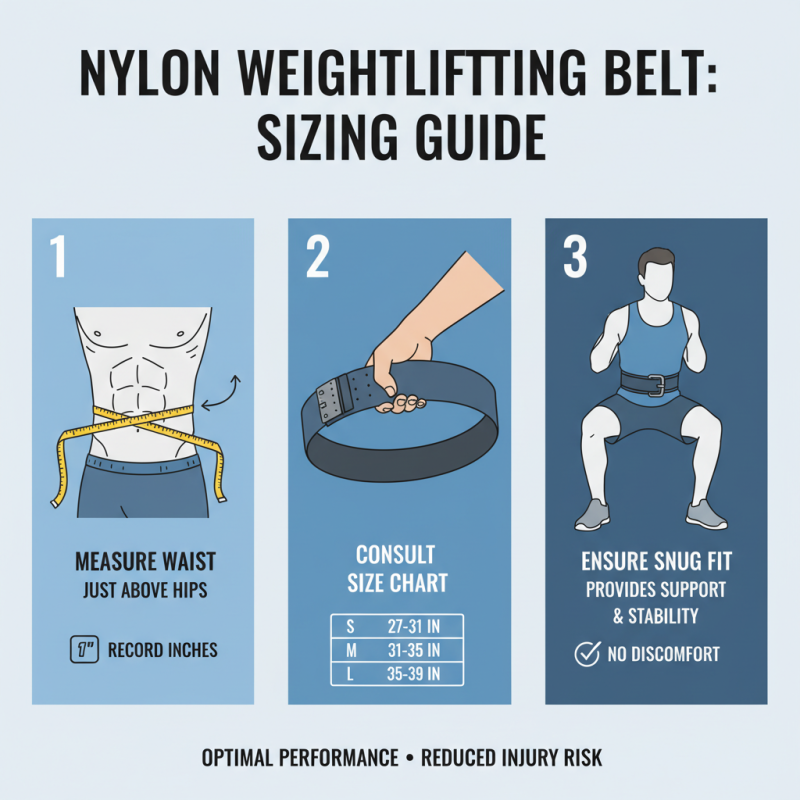
When selecting a nylon weightlifting belt, proper sizing and fit are crucial. A well-fitted belt offers better support and stability during lifts. An incorrect size may lead to discomfort or even injury. To measure your waist, use a flexible tape measure. Wrap it snugly around your waist, just above your hips. Record the measurement in inches for a more accurate fit.
Tips: Always try the belt before buying. It should feel secure but not overly tight. When you adjust the belt, ensure it sits comfortably. If it digs into your skin, it may be too small. Conversely, a belt that feels loose won't provide the necessary support.
Consider the width of the belt. A wider belt offers more coverage but may feel bulky. This can affect your movement. A narrower belt may allow more flexibility, but it may not support as much weight. Reflect on your lifting style. Do you lift heavy or focus on technique? Your choices come down to personal preference. Each has its pros and cons, so think carefully.
Comparing Nylon Belts with Other Material Options
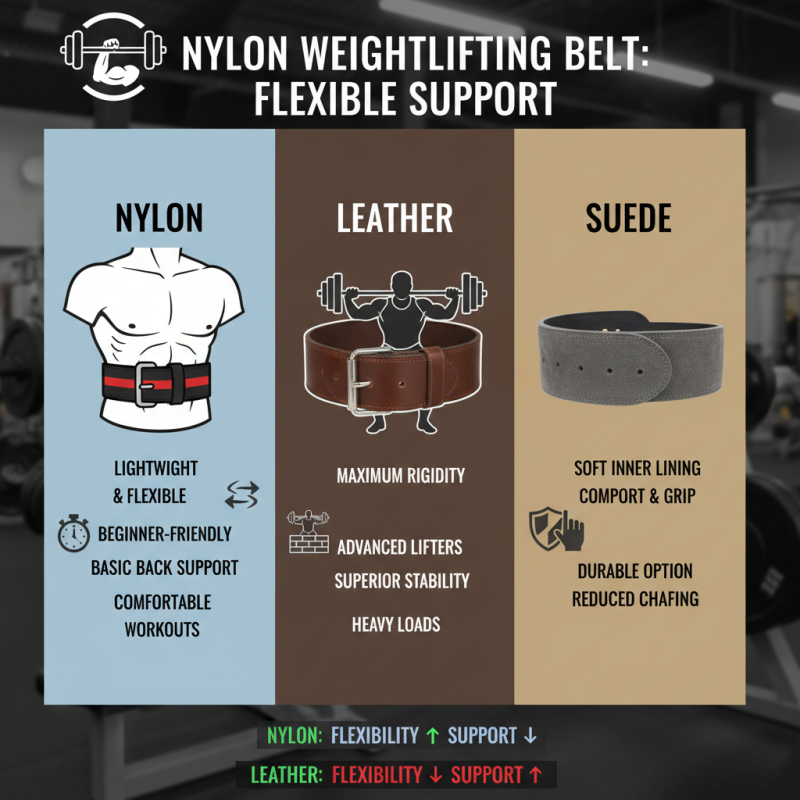
When choosing a nylon weightlifting belt, it’s essential to consider how it compares to other materials like leather and suede. Nylon belts are lightweight and flexible. This makes them a popular choice for those new to weightlifting. They offer basic support for the lower back and can keep you comfortable during workouts. However, some lifters may find them less rigid compared to leather options.
Leather belts provide superior stiffness and durability, essential for heavy lifting. They do not stretch much, which offers maximum support. On the other hand, they can feel bulkier. Then there’s suede, which combines elements of both leather and nylon. Suede belts often provide a softer feel while still offering decent support. Yet, they can wear down faster, especially with frequent use.
Weightlifting belts, regardless of material, need to be fitted correctly for safety. A poorly fitting belt can lead to discomfort or injury. Users may find that what works for one lifting session may not suit another. Experimenting with different materials can be illuminating. It helps in finding the perfect blend of comfort and support tailored to individual needs. Balancing these factors is key in your journey as a lifter.
Maintenance Tips to Extend the Life of Your Weightlifting Belt
Proper maintenance of your nylon weightlifting belt can significantly extend its lifespan. A well-cared belt can last several years, but neglect can lead to premature wear. According to a 2023 study by the National Strength and Conditioning Association, athletes lose up to 30% of gear effectiveness due to improper care. This is a staggering figure, especially when you consider the investment in quality equipment.
After each use, clean your belt with mild soap and water to remove sweat and grime. Allow it to air dry completely. Avoid direct sunlight, as UV rays can weaken nylon fibers over time. Even the best belts can fray if exposed to harsh conditions. Storing your belt properly is essential. Place it flat or rolled loosely in a cool, dry place. Hanging it could stretch the material, leading to a loss of support when lifting.
Regular inspections are vital as well. Look for signs of fraying or damage. Small issues can escalate if not addressed. This attention to detail can save you from making costly replacements. Remember, a little care today can yield a stronger performance tomorrow.
2026 Best Nylon Weightlifting Belt Comparison
This chart compares the average weight capacity, durability score, and price range of various nylon weightlifting belts available in the market. These factors are essential in choosing the best belt to enhance your weightlifting performance.