Best Ladies Weightlifting Belt for Serious Lifters in 2026?
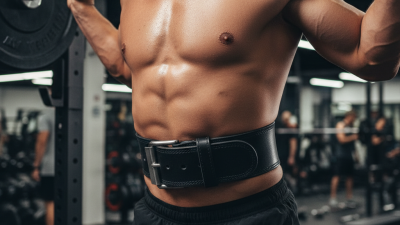
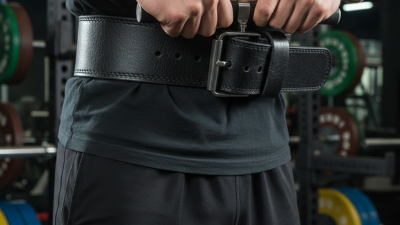
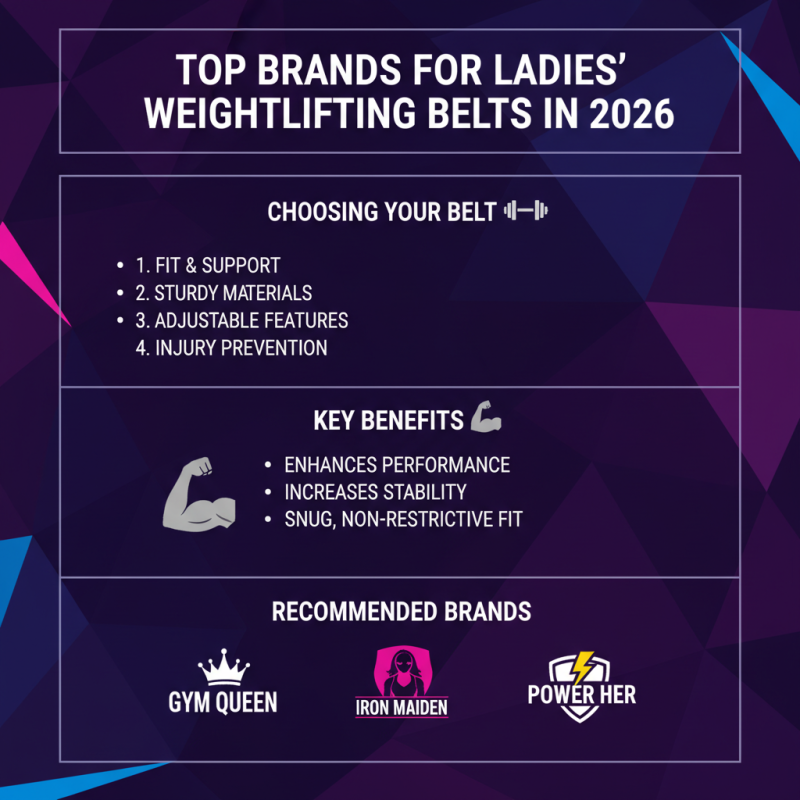
In the world of weightlifting, the right gear can make all the difference. A quality Ladies Weightlifting Belt is essential for serious female lifters seeking to enhance their performance. Choosing the best belt involves more than just aesthetic appeal; it requires understanding the unique needs of women's bodies during intense training.
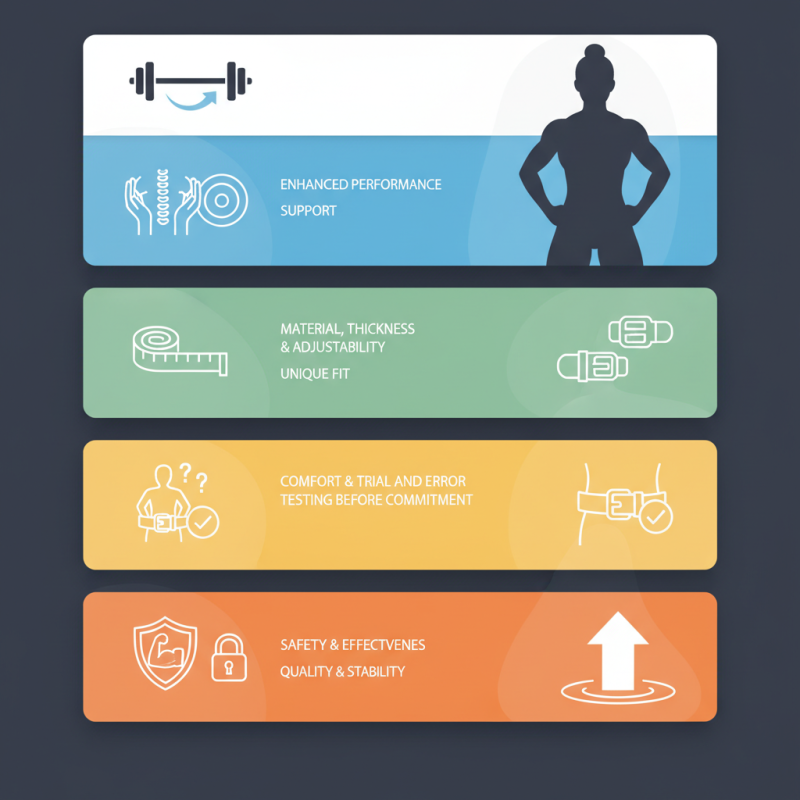
As we look ahead to 2026, the market offers a variety of options. Each belt varies in terms of material, thickness, and adjustability. It's crucial to find one that not only provides support but also feels comfortable. Some belts may not fit properly, leading to distractions during lifts. This highlights the need for women to test belts before committing.
Quality and design are significant factors. A good Ladies Weightlifting Belt should promote stability while avoiding any discomfort. While many options claim to be the best, personal preference plays a huge role. Finding the perfect fit may require some trial and error. Ultimately, investing in the right belt is pivotal for safety and effectiveness in lifting.
Factors to Consider When Choosing a Ladies Weightlifting Belt
When selecting a ladies’ weightlifting belt, several factors are critical for performance and safety. The belt's width and thickness can significantly impact support. Research indicates that a wider belt offers better stability during heavy lifts, especially squats and deadlifts. Typically, belts range from 3 to 4 inches in width. A thickness of 10 mm is standard, balancing flexibility and stiffness effectively.
Material is another key consideration. Most belts use leather or synthetic materials. Leather belts provide durability and better support but may require a break-in period. In contrast, synthetic belts often feature a more comfortable fit from the start. According to a 2022 industry report, 70% of professional lifters prefer leather for its long-lasting nature.
Proper fit is also essential. A belt that is too loose or tight can hinder performance or even lead to injury. It is advisable to check the sizing guidelines carefully. Over time, as strength levels increase, lifters might need to reassess their belt choice. A well-fitting belt contributes to better form and reduces the risk of serious strain or injury.
Material and Design Options for Optimal Support
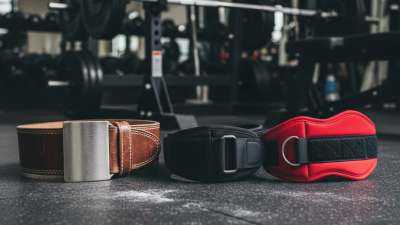
Choosing the right weightlifting belt is crucial for serious female lifters. The materials and design options can significantly influence comfort and support. Traditionally, leather belts provide durability and stability. However, synthetic alternatives are gaining popularity. They are lighter and often offer similar support.
A study from the National Strength and Conditioning Association highlights that lifters using belts can lift an average of 10% more weight. This increase is mainly due to better intra-abdominal pressure management, which a belt can facilitate. The width and thickness of the belt matter. A wider belt provides more back support, while thinner ones allow for greater mobility.
When selecting a weightlifting belt, consider the intended use. For Olympic lifting, a more flexible design may be preferable. In contrast, powerlifting often calls for stiffer belts. There’s no one-size-fits-all solution. Personal preference plays a significant role in belt selection. Testing various types will lead to better performance and comfort. Each lifter's body is unique, making it essential to find a belt that feels right.
User Reviews and Recommendations for Best Performance
When choosing a weightlifting belt, users prioritize comfort, support, and durability. Statistics show that a well-fitted weightlifting belt can improve performance by 10-15% during heavy lifts. Many serious lifters recommend belts with a width of at least 4 inches for optimal support. Comfort is key; a belt that feels restrictive can limit performance. Reviews often highlight belts that provide both firmness and flexibility.
Feedback from lifters indicates that material matters. Leather belts tend to offer better longevity, while nylon options are lighter and more breathable. However, some users report that nylon belts may lack the firmness needed for maximal lifts. Lifters frequently have personal preferences regarding the closure system—hook-and-loop or pronged buckles. Some find the hook-and-loop system easier to adjust during workouts.
User experiences often mention break-in periods. A new leather belt may take weeks to conform to the body. Some lifters find this frustrating, yet it is part of achieving the perfect fit. Flexibility in design is essential, and options that allow adjustment can be beneficial for diverse body shapes. Lifters should consider these factors to find a belt that enhances their performance while remaining comfortable throughout their training sessions.
Best Ladies Weightlifting Belts Performance Comparison (2026)
Future Trends in Ladies Weightlifting Belts for Enhanced Training
As we look ahead to 2026, ladies' weightlifting belts will likely evolve to better meet the needs of serious lifters. The focus will shift towards enhanced comfort and support. Materials will become more breathable, making workouts more enjoyable and less uncomfortable. Innovative designs may incorporate adjustable features that cater to various body shapes. These changes will ensure that every lifter finds a suitable fit.
Next, we can expect integration with technology. Some belts may include sensors to provide feedback on lifting form. This could help prevent injuries and promote better technique. However, relying on technology might also create a dependency. Lifters need to balance tech with fundamental training principles.
Lastly, sustainability will play a crucial role. Demand for eco-friendly materials will likely increase among serious lifters. Brands may focus on sourcing responsibly to appeal to environmentally-conscious athletes. This shift is essential for the future of fitness, but it could also complicate affordability. Lifters might face challenges in accessing quality products within their budget.
Best Ladies Weightlifting Belt for Serious Lifters in 2026
| Material |
Width |
Thickness |
Closure System |
Weight Support (lbs) |
Price Range ($) |
| Leather |
4 inches |
10 mm |
Prong |
600 |
70-100 |
| Nylon |
3 inches |
6 mm |
Velcro |
400 |
50-80 |
| Synthetic |
4 inches |
8 mm |
Lever |
500 |
60-90 |
| Canvas |
5 inches |
5 mm |
Double Prong |
350 |
40-70 |