Top Leather Weightlifting Belts What to Look For?
In the world of weightlifting, the choice of a proper support tool is critical. Among these, the Leather Weightlifting Belt stands out for its durability and strength. According to a report by the National Strength and Conditioning Association, about 70% of lifters believe that a quality belt improves their performance. Many athletes consider it an essential part of their gear.
Expert trainer John Smith emphasizes the importance of selecting the right Leather Weightlifting Belt. He states, “A well-fitted belt can enhance stability and reduce the risk of injury.” Many lifters, however, overlook factors like width, thickness, and material quality in their purchasing decisions. It is essential to focus on these elements to ensure maximum safety and efficiency.
Choosing a Leather Weightlifting Belt isn't as easy as it seems. The market offers a wide variety of options. Lifters might miss out on functional benefits by not doing proper research. It is imperative to reflect on personal needs and preferences. Ultimately, the right choice can make a significant difference in lifting success.
Types of Leather Weightlifting Belts and Their Uses
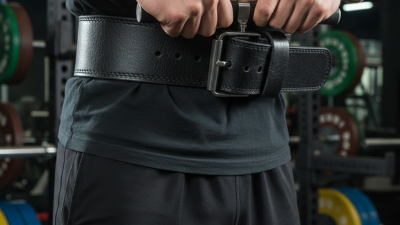
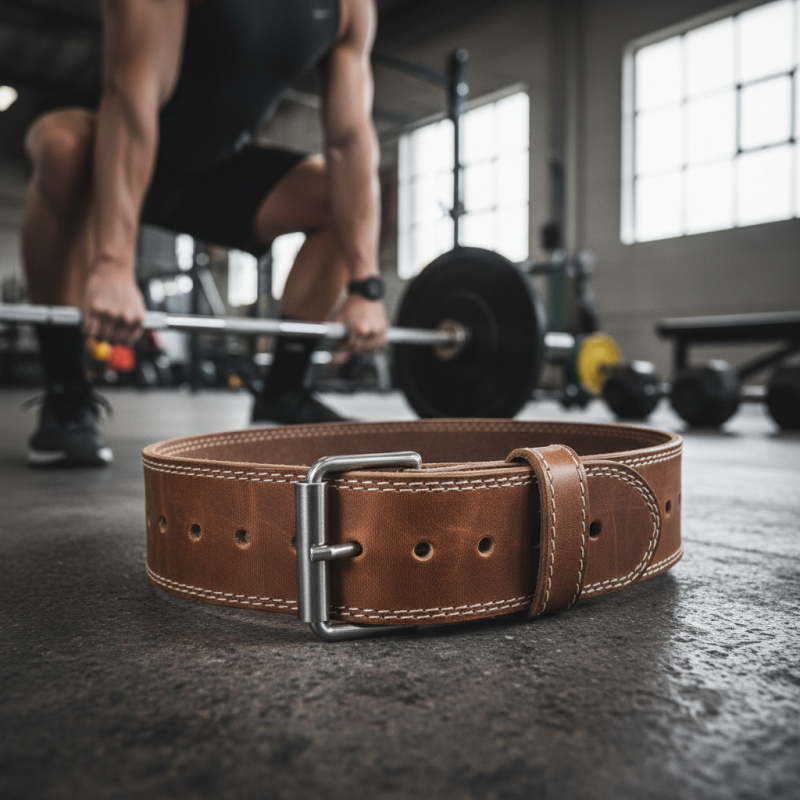
When choosing leather weightlifting belts, understanding their types is crucial. There are mainly two types: single-prong and double-prong belts. Each serves a distinct purpose. Single-prong belts are generally easier to put on and adjust quickly. They are popular among powerlifters and average gym-goers. In fact, research shows that about 60% of weightlifters prefer this style for daily training.
On the other hand, double-prong belts offer more security. They distribute pressure more evenly around the waist. This can lead to better support during heavy lifts. Athletes looking for maximum stability often choose double-prong belts. A study indicated that lifters using double-prong belts reported a 15% increase in their personal bests.
Another factor to consider is the belt thickness. Many professionals recommend a thickness of 10mm or more for heavy training. However, thicker belts may feel stiffer and uncomfortable at first. Balancing comfort and support is essential. Some users may find that a 13mm belt restricts movement. Others might appreciate the added stability. It’s all about personal preference and lifting style.
Key Features to Consider When Choosing a Weightlifting Belt
When choosing a weightlifting belt, consider the material. Leather belts offer durability and support. They mold to your body over time, enhancing comfort. Look for quality leather, as it impacts the belt's longevity. A well-crafted belt resists wear and tear, even with frequent use.
Fit is crucial. The belt should be snug but not restrictive. It should be easy to adjust. Check for adjustable prongs or a buckle system that suits your needs. A poorly fitting belt can cause discomfort or distraction during lifts.
Width matters too. Wider belts provide more support for your core. However, too much width can limit mobility. Think about your lifting style and specific needs. Reflect on how each feature affects your performance. A balance between support and comfort is essential. As you explore options, remember that your belt should enhance your lifting, not hinder it.
Top Leather Weightlifting Belts Features Comparison
This chart showcases the key features to consider when choosing a leather weightlifting belt. The data includes different features like Material Quality, Stitching, Buckle Type, Width, and Price Range. Each feature is rated on a scale from 1 to 10 based on user feedback and expert reviews.
Sizing and Fit: How to Measure for the Perfect Weightlifting Belt
When it comes to weightlifting, the right belt can make a significant difference. However, many athletes overlook the importance of proper sizing and fit. A study from the National Strength and Conditioning Association indicates that belts can improve lifting performance by up to 15%. This means that an ill-fitting belt may hinder your progress or even lead to injury.
Measuring for the perfect weightlifting belt involves more than just a quick guess. You should measure your waist at the navel level. Adding a few inches is advised to ensure comfort and support. If your measurements fall between sizes, opt for the larger one. Belts should be snug but not painfully tight. Many lifters make the mistake of choosing a belt that is too tight, thinking it will provide more support. In reality, this can restrict movement and breathing.
A well-fitted belt should feel secure and comfortable during lifts. It shouldn't shift or dig into your sides. According to research, 70% of lifters report better stability with a properly sized belt. Experimenting with different widths can also enhance your experience. However, don’t forget to reflect on your choices. A belt is just one tool; relying solely on it might not deliver the desired results. Proper form and technique should always come first.
Top Leather Weightlifting Belts: What to Look For? - Sizing and Fit: How to Measure for the Perfect Weightlifting Belt
| Feature |
Description |
Recommended Measurement Method |
| Material Quality |
Full-grain leather provides durability and comfort. |
Check thickness and texture before purchase. |
| Width |
A width of 4 inches offers optimal support for lifting. |
Measure from the navel to the top of the hip bone. |
| Sizing |
Find a belt that fits snugly but comfortably around your waist. |
Use a measuring tape around the waist, typically in inches. |
| Buckle Type |
Single prong or lever buckles provide different levels of adjustability. |
Try the belt on with the buckle to ensure ease of use. |
| Adjustability |
The belt should allow for slight size adjustments as your waist may change. |
Check for multiple adjustment holes. |
Durability and Maintenance of Leather Weightlifting Belts
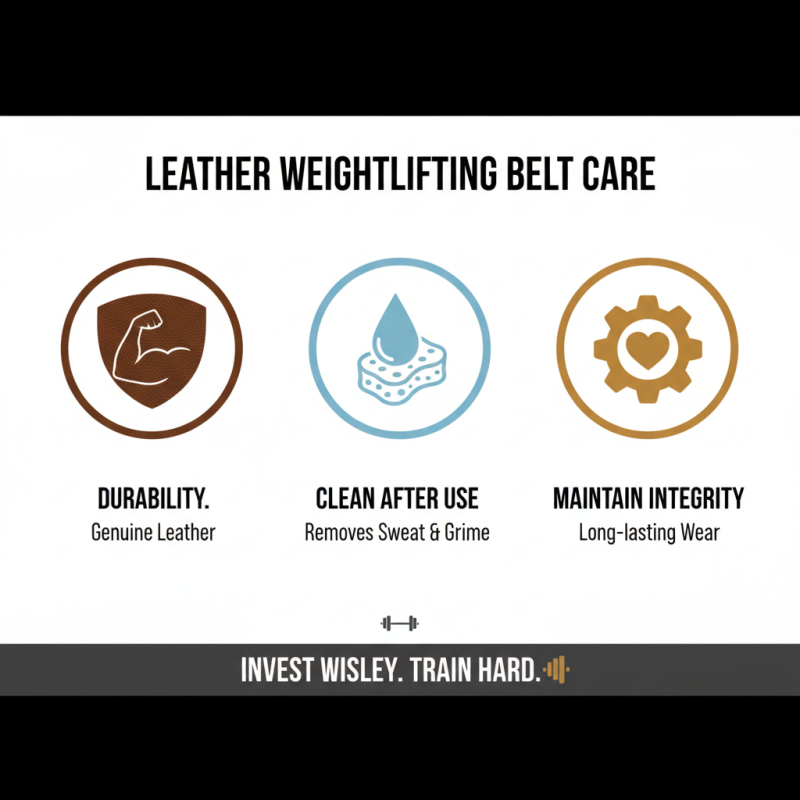
When you invest in a leather weightlifting belt, durability is crucial. Genuine leather can often withstand rigorous workouts. However, it requires adequate care to maintain its integrity over time. Cleaning the belt after each use helps in removing sweat and grime. This reduces the chance of wear and tear.
Proper maintenance involves conditioning the leather regularly. This keeps it supple and prevents cracking. Choose a quality leather conditioner. Apply it with a soft cloth to keep the surface moist. Remember, neglect can lead to a compromised structure, which might affect your lifting performance.
Be mindful of how you store your belt. Avoid leaving it in damp places. Heat can also damage its fibers. Instead, keep it in a cool, dry area. Regular checks for signs of damage, such as fraying or hardening, are essential. A little attention can prolong the life of your belt significantly.
Comparing Price Ranges for Quality Leather Weightlifting Belts
When considering quality leather weightlifting belts, price ranges vary significantly. A well-made belt typically starts around
$50, reaching upwards of $150. Reports indicate that a more expensive belt often offers superior durability
and support. Many lifters prefer investing in a better belt to avoid frequent replacements.
Leather weightlifting belts are generally constructed from varying grades of leather. Higher-end belts usually use top-grain leather, providing optimal
support and longevity. A study found that belts priced between
$100 and
$150 tend to outlast cheaper alternatives by at least 50%. This investment can be crucial for those serious about
strength training.
Tip: Before purchasing, ensure that the belt fits snugly but not too tight. Measure your waist and consider adjusting based on your gain or loss in size.
Also, consider the width and thickness of the belt. A thicker belt may provide better support but could also feel restrictive.
Not everyone needs the priciest option. Some lifters report that a mid-range belt works just fine for their needs. It’s essential to reflect on your personal training goals. What works for one
might not suit another. Balancing cost and quality can make the difference in your lifting experience.