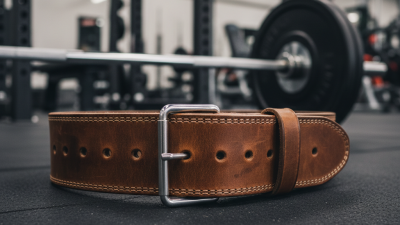
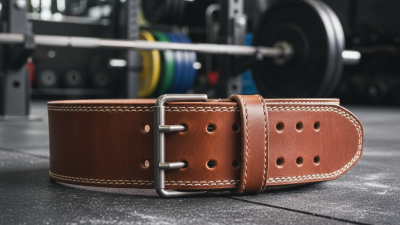
A Lever Weightlifting Belt is a rigid support designed for heavy squats, deadlifts, and pressing movements. Unlike a traditional prong belt, it uses a metal lever to secure the belt quickly and consistently. The lever creates firm tension around the waist, while the lifter braces the abdomen against the belt’s front panel. This pressure can improve trunk stiffness during demanding lifts.
Dr. Stuart McGill, a respected spine biomechanics researcher, explains, “A belt increases intra-abdominal pressure and gives the lifter something to brace against.” This principle helps clarify how a Lever Weightlifting Belt works. It does not hold the spine rigid by itself. Instead, it provides feedback and resistance for the abdominal muscles. The lifter must still breathe, brace, and maintain controlled technique.
A properly fitted belt should feel snug, not painfully tight. The lever should close securely without forcing the ribs upward or restricting normal breathing. Belt width, thickness, waist position, and lever adjustment all affect performance. Small details matter. A belt placed too high may interfere with breathing, while one placed too low may fail to support the trunk effectively.
It is tempting to view the belt as instant protection. That assumption is incomplete. A Lever Weightlifting Belt cannot correct poor movement, weak bracing, or excessive loading. Even experienced lifters may overestimate its benefit when fatigue appears. Careful progression remains essential. The belt works best as a training tool, not as a replacement for technical coaching, recovery, or sensible load management.
What Is a Lever Weightlifting Belt and How Does It Work?
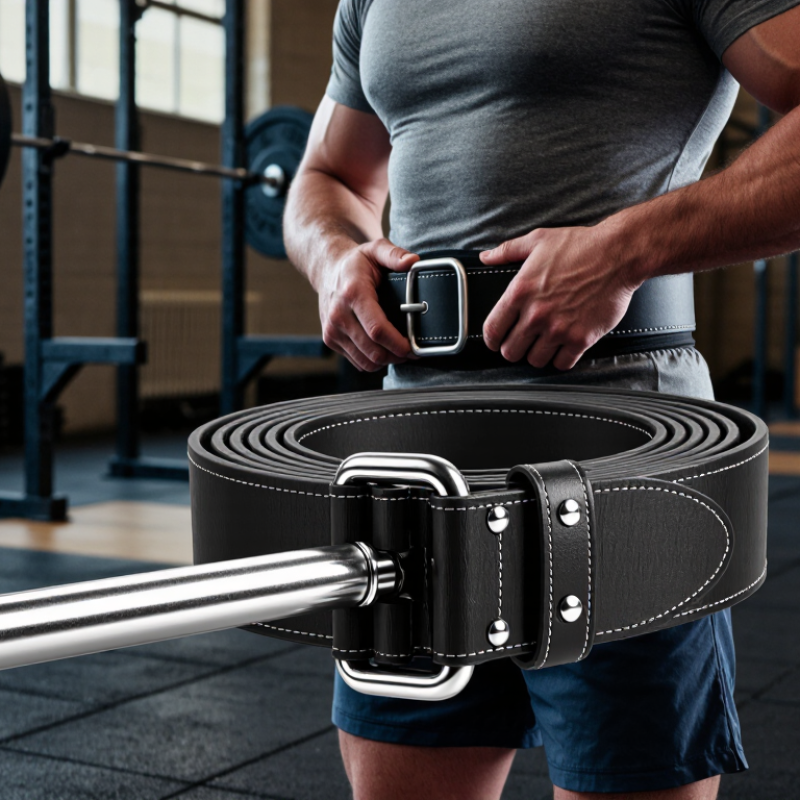
A lever weightlifting belt uses a rigid leather body and a metal lever for firm abdominal support. It does not lift the weight for you. Instead, it gives your torso a stable surface for bracing during squats, deadlifts, and presses. Many belts use 10–13 mm leather. Thicker leather usually feels stronger, but it may require a longer break-in period. A 10 mm belt can flex more easily, while a 13 mm belt may feel stiff and less forgiving. Thicker is not automatically better.
Lever Belt Anatomy: 10–13 mm Leather and a 10 cm Maximum Width
The 10 cm maximum width creates a compact support zone around the waist. This size can reduce interference with hip movement, especially during deep squats. The lever attaches to adjustment holes, allowing you to set the belt’s tension precisely. When closed, it pulls the leather evenly across your abdomen. The belt should sit above the hip bones without pressing sharply into your ribs. Small details matter. Uneven stitching, rough edges, or loose screws can affect comfort and reliability. Competition rules may differ, so check current requirements before using one in an event.
Tips: Measure your actual waist where the belt will rest, not your trouser size. Fasten it firmly, but keep normal breathing possible. Practice bracing with lighter loads first. If you notice numbness, bruising, or restricted movement, loosen the belt and reassess the fit. A minor adjustment can change everything.
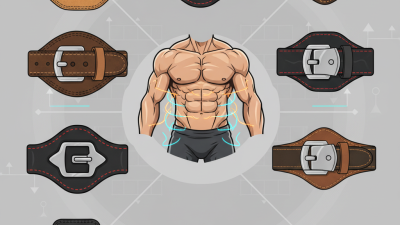
A lever belt uses a metal lever and adjustable holes to create a secure, repeatable fit around the torso. Its typical anatomy includes thick leather construction measuring 10–13 mm and a maximum width of 10 cm.
The chart shows the key reference dimensions in millimetres: the leather thickness range is 10–13 mm, while the maximum belt width is 100 mm, equal to 10 cm.
A lever weightlifting belt uses a rigid arm to tighten a wide strap around your trunk. When you pull the lever down, it draws the strap through a fixed buckle and increases tension. That movement creates mechanical advantage, so your hands need less effort to produce firm pressure. The buckle then holds the chosen setting, creating a repeatable fit between training sets.
A properly adjusted belt should feel secure, not painfully restrictive. It may improve bracing awareness during squats, deadlifts, and other heavy lifts, but it cannot replace sound technique. Fit depends on torso shape, belt height, clothing, and personal comfort. Small changes matter. A belt that feels locked may still sit too high or interfere with breathing. My practical view is that lever systems are highly consistent, though not perfectly universal. Adjustment can also be slower when several lifters share one belt.
Tips: Set the belt snugly before lifting, then test a deep breath and controlled brace. The lever should close firmly without forcing it. Check for pinching, numbness, or restricted breathing. Recheck the fit after warm-up sets, because your clothing and body position may change. Inspect the strap, buckle, and fasteners regularly. Stop and adjust if the belt shifts or causes pain.
A lever weightlifting belt supports bracing during heavy squats, deadlifts, and presses. Its rigid surface gives your abdominal wall something firm to push against. The lever closure also allows quick tightening between sets. However, the belt does not magically create strength. You must actively brace.
When you inhale and expand your abdomen, pressure rises inside your abdominal cavity. This is called intra-abdominal pressure, or IAP. Higher IAP can help stiffen the trunk and reduce unwanted movement around the spine. The belt may improve this process by providing external resistance. Your core muscles can press outward with greater confidence and consistency. Research generally supports improved trunk stability, but results vary with technique, load, belt fit, and lifting experience.
A belt should feel secure, not painfully tight. Too much compression may restrict breathing and weaken your natural brace. I have found that a controlled breath, expanded abdomen, and steady torso matter more than simply tightening the lever. That point is easy to overlook. Belts can support skilled movement, but they cannot replace it.
Tips: Place the belt around your midsection, often near the navel, and test several breaths before lifting. Brace outward in every direction, not only forward. Practice with moderate weights first. If your hips, ribs, or breathing feel restricted, adjust the fit. Technique still comes first.
A lever weightlifting belt uses a hinged lever to create firm, adjustable pressure around your trunk. Unlike a loose lifting belt, it should feel supportive without restricting normal breathing. Measure your torso circumference where the belt will sit, not where casual trousers rest. Check the manufacturer’s measurement guide, because belt sizing differs between models. Leave enough adjustment for training clothes and small body changes.
For squats, position the belt around your midsection, usually just above the hip bones. It should not dig into your ribs when you descend. Stand tall, tighten the lever, and take a controlled breath into your abdomen and sides. Brace as if preparing for a gentle punch. Test an empty-bar squat first. If your hips cannot move freely, the belt is probably too low or too tight.
Deadlift positioning may need a small adjustment. Many lifters place the belt slightly higher to avoid pressing against the thighs during setup. Hinge down and check whether your starting position remains natural. The lever should stay closed, and its fasteners deserve regular inspection. I once tightened a belt excessively, thinking more pressure meant more support; my bracing became shallow instead. That mistake changed my setup. Your best setting may differ from another lifter’s, so record what feels stable and reassess when pain, pinching, or restricted movement appears. A qualified coach can check your position from the side.
A lever weightlifting belt uses a hinged metal lever to create firm abdominal support. You tighten the belt with adjustment holes, then close the lever across the opposite strap. This action produces consistent pressure around your trunk. It feels secure.
The IPF Technical Rules Book (2024) sets strict competition limits: maximum thickness is 13 mm, and maximum width is 10 cm. These measurements apply to the belt body, not only the padded center. The buckle, stitching, and edges must also remain safe and functional during inspection. British Powerlifting’s 2024 technical rules publish the same key limits, showing broad agreement across regulated competition. A belt can look compliant but fail when measured at a thick seam. That detail matters.
In training, I have found that a lever belt works best when it feels firm, not painfully tight. Place it over the abdominal wall, usually around the navel, and brace against its surface before the lift. A loose setting may reduce feedback. An overly tight setting can restrict breathing and awkwardly change your setup. I once treated 13 mm as a performance target, rather than a legal ceiling. That was a poor assumption. Thickness does not automatically improve stability, and the IPF rules do not guarantee comfort. Check the current federation handbook before competing, because local inspection practices and rule editions can change. Be practical.
| Data Dimension | Verified Information | How It Relates to a Lever Belt |
|---|---|---|
| What it is | A rigid lifting belt that uses a lever mechanism instead of a traditional single-prong or double-prong buckle. | The lever pulls the belt end against the buckle and creates a consistent, secure fit around the torso. |
| Primary purpose | To provide a firm surface against which the abdominal and trunk muscles can brace during heavy lifts. | It may improve bracing consistency, but it does not replace correct breathing, trunk control, or lifting technique. |
| Lever mechanism | A hinged handle changes the effective tension and locks the belt closed around a fixed adjustment point. | It allows quick fastening and removal, which is useful when a lifter changes between warm-up and heavy sets. |
| Typical belt material | Competition-style belts are commonly made from leather or another strong, non-stretch material. | Low stretch helps the belt maintain a stable brace during squats, deadlifts, and presses. |
| IPF maximum thickness | 13 mm maximum under International Powerlifting Federation equipment rules. | The belt, including its construction, must remain within the permitted thickness when checked by officials. |
| IPF maximum width | 10 cm maximum across the belt’s width. | A lever belt intended for IPF competition should have a uniform width that does not exceed 10 cm. |
| Belt profile | A competition belt is generally designed with a consistent width rather than a sharply tapered shape. | A uniform profile distributes contact around the midsection and makes rule inspection simpler. |
| Adjustment method | Adjustment holes or a mounting position determine the belt’s base circumference; the lever supplies final tension. | The correct setting should be tight enough for bracing while still allowing controlled breathing and movement. |
| How bracing works | The lifter inhales and contracts the trunk muscles, using the belt as external resistance during the brace. | The belt can provide tactile feedback and help the lifter maintain pressure around the abdomen. |
| Best-matched lifts | It is commonly used for squat, deadlift, and other heavy compound movements that require substantial trunk stability. | The belt is most useful when the lifter can already maintain sound technique without relying on the equipment. |
| Competition inspection | Equipment is subject to inspection, and the belt must comply with the rules of the specific federation and meet. | A belt described as “13 mm” or “10 cm” should still be checked against the current official rulebook before competition. |
| Advantages | Fast operation, repeatable tightness, firm support, and a stable feel under heavy loads. | The fixed lever setting can make setup more consistent from one training set to the next. |
| Limitations | It can feel restrictive, may require a break-in period, and cannot compensate for poor positioning or inadequate bracing technique. | The lever should be adjusted rather than forcibly closed if it causes pain, numbness, or difficulty breathing. |
Note: IPF equipment requirements can be updated. Lifters should confirm the current technical rules and local inspection procedures before entering a sanctioned competition.