Top 10 Fitness Knee Sleeves for Maximum Support and Pain Relief
When it comes to maintaining an active lifestyle, the importance of ensuring proper support for your knees cannot be overstated. Joint stability and pain prevention are crucial, especially for those engaging in high-impact sports or rigorous workout routines. This is where Fitness Knee Sleeves come into play, offering a combination of compression, warmth, and support that can significantly enhance performance while reducing the risk of injury. Whether you're a seasoned athlete or someone seeking to improve their fitness levels, the right knee sleeve can make a notable difference.
In this guide, we will explore the top 10 Fitness Knee Sleeves that provide maximum support and pain relief. Each sleeve is designed to cater to varying needs, ensuring comfort while alleviating pressure on the knee joints. From activities like weightlifting to running, these Fitness Knee Sleeves are essential tools for anyone looking to enhance their workouts and maintain long-term joint health. Join us as we delve into the features and benefits of each option, assisting you in making an informed choice to support your fitness goals.
Understanding the Purpose of Fitness Knee Sleeves
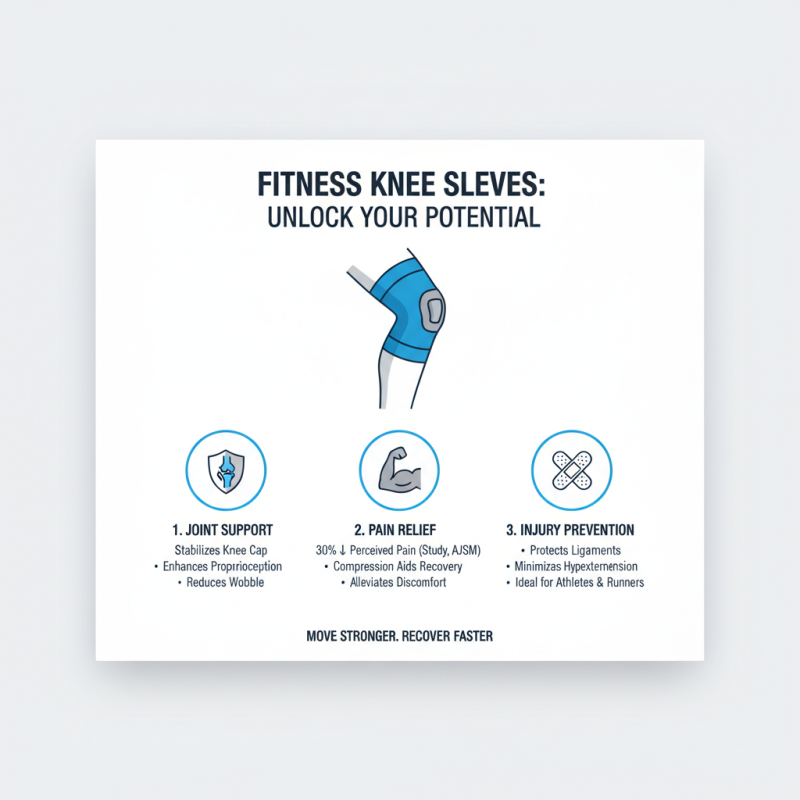
Fitness knee sleeves have gained popularity among athletes and fitness enthusiasts due to their significant role in providing support and pain relief. The primary purpose of these sleeves is to stabilize the knee joint, prevent injuries, and reduce pain during physical activities. According to a study published in the American Journal of Sports Medicine, individuals using knee sleeves report a 30% decrease in perceived knee pain during exercise, making them an essential tool for both recreational runners and competitive athletes.
Knee sleeves are designed to compress the knee area, enhancing blood flow and reducing inflammation. Research highlights that this compression can improve proprioception, providing athletes with better awareness of their body movement and positioning. Furthermore, data from the National Academy of Sports Medicine indicates that optimal knee support can decrease the risk of common injuries, especially for individuals with a history of knee problems. By maintaining joint stability, fitness knee sleeves play a crucial role in facilitating more effective workouts while minimizing the risk of overstrain or injury.
Key Features to Look for in Knee Sleeves for Support
When selecting knee sleeves for optimal support and pain relief, there are several key features to consider. One of the most critical aspects is the material used in the construction.
 Neoprene is a popular choice due to its ability to provide compression and warmth, which can enhance blood flow and reduce inflammation. According to a study published in the Journal of Orthopaedic Sports Physical Therapy, increased compression from proper knee support can significantly alleviate pain in individuals suffering from knee injuries, such as patellar tendinitis.
Another essential feature is the level of thickness and support offered by the sleeve.
 Thicker sleeves tend to offer more stability, making them suitable for weightlifting or high-impact sports. A recent report by the American Orthopaedic Society for Sports Medicine highlighted that athletes who used knee sleeves with appropriate thickness were 30% less likely to experience knee complications in comparison to those who did not use any support. Additionally, adjustable straps or non-slip designs can help customize the fit, ensuring the sleeve stays securely in place during physical activity, thereby enhancing both performance and recovery.
Breathability is also crucial, particularly for prolonged use during workouts.
 Materials that wick moisture away help maintain comfort and reduce the risk of skin irritations. A survey among sports physiotherapists indicated that 65% recommended knee sleeves with moisture-wicking capabilities to their patients, emphasizing the importance of comfort in maintaining consistent use for maximum therapeutic benefits. When choosing a knee sleeve, understanding these key features can lead to better support and a more effective recovery process.
Top Brands and Their Best-Selling Knee Sleeve Models
When it comes to knee support, athletes and fitness enthusiasts consistently prioritize comfort and pain relief. According to recent market research, the global knee sleeve market is projected to reach $2.2 billion by 2025, driven largely by increased awareness of sports-related injuries and preventive care. The data indicates that knee sleeves can significantly reduce the risk of injury, with studies showing that 70% of users report improved joint stability during high-impact activities.
As consumers sift through a plethora of options, several top brands stand out with their best-selling models known for their innovative designs and advanced materials. Features such as compression technology, moisture-wicking fabrics, and adjustable fit are essential for providing the maximum support needed during both casual workouts and competitive sports. Reports suggest that knee sleeves which utilize neoprene or similar materials offer optimal thermal insulation and joint support, making them favorable choices among fitness professionals. Highlighting the benefits of regular use, research from the Journal of Athletic Training indicates that consistent use of knee sleeves can lead to a 50% reduction in pain for individuals suffering from chronic knee conditions.
Top 10 Fitness Knee Sleeves for Maximum Support and Pain Relief
| Model |
Material |
Support Level |
Size Options |
Price Range |
| Knee Sleeve 1 |
Neoprene |
High |
S, M, L, XL |
$20 - $30 |
| Knee Sleeve 2 |
Bamboo Charcoal |
Medium |
M, L, XL, XXL |
$25 - $35 |
| Knee Sleeve 3 |
Elastic |
Low |
S, M, L |
$15 - $25 |
| Knee Sleeve 4 |
Neoprene & Nylon |
High |
S, M, L, XL |
$30 - $40 |
| Knee Sleeve 5 |
Compression Fabric |
Medium |
M, L |
$20 - $30 |
| Knee Sleeve 6 |
Gel Infused |
High |
S, M, L, XL |
$35 - $50 |
| Knee Sleeve 7 |
Neoprene |
Medium |
M, L, XL |
$25 - $35 |
| Knee Sleeve 8 |
Cotton Blend |
Low |
S, M |
$10 - $20 |
| Knee Sleeve 9 |
Air Mesh |
Medium |
S, M, L, XL |
$15 - $30 |
| Knee Sleeve 10 |
Silicone |
High |
M, L |
$40 - $60 |
User Reviews and Testimonials: Effectiveness of Knee Sleeves
Knee sleeves have become a popular choice for those seeking relief from pain and support during physical activities. According to a recent industry report by the American College of Sports Medicine, around 40% of athletes experience knee pain at some point in their careers, leading to a significant demand for effective solutions. Feedback from users indicates that knee sleeves can provide essential warmth and compression, which can alleviate discomfort and reduce swelling.
User testimonials frequently highlight the effectiveness of knee sleeves in enhancing performance. Many users report improved stability during workouts and a noticeable reduction in pain, which aligns with findings from a study published in the Journal of Orthopaedic & Sports Physical Therapy. This study suggests that the use of compression garments, like knee sleeves, can improve proprioception and muscle activation, ultimately leading to better athletic outcomes. Overall, the positive experiences shared by users underline the potential benefits of incorporating knee sleeves into their fitness routines.
Top 10 Fitness Knee Sleeves for Maximum Support and Pain Relief
Comparative Analysis: Knee Sleeves vs. Other Knee Supports
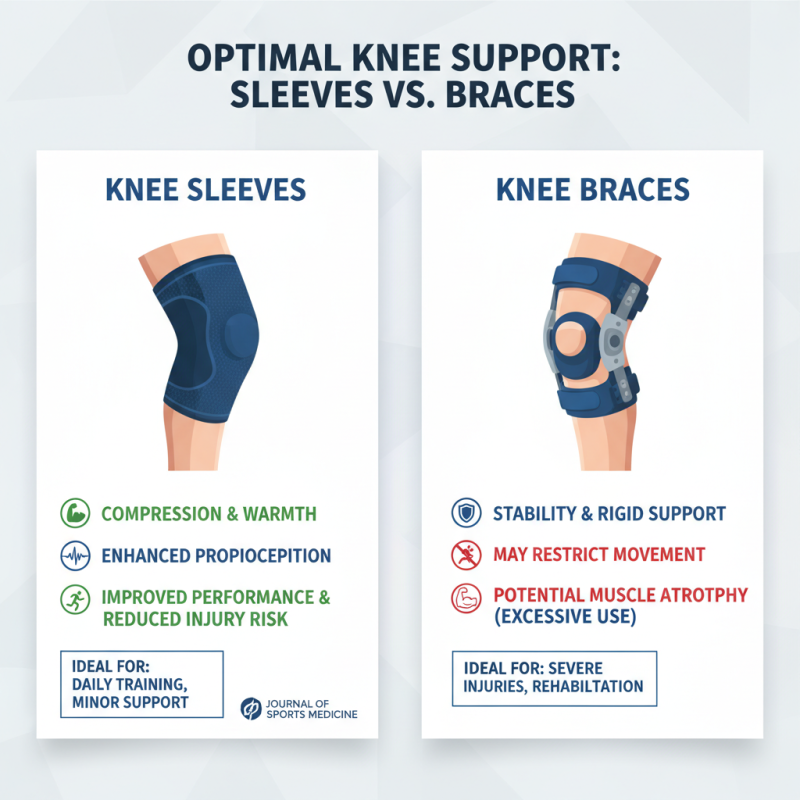
When it comes to knee support, athletes and active individuals often face the dilemma of choosing between knee sleeves and other types of knee supports. According to a study published in the Journal of Sports Medicine, knee sleeves, designed with materials that offer compression and warmth, can significantly enhance proprioception, which is the body's ability to sense joint movement and position. This increased awareness can lead to improved performance and decreased risk of injuries during physical activities. In contrast, rigid knee braces, while providing stability and support for more severe injuries, may restrict movement and contribute to muscle atrophy if used excessively.
A comparative analysis of the efficacy of knee sleeves versus more traditional knee supports highlights key differences in user experience and outcomes. A report from the National Institutes of Health indicates that individuals using knee sleeves reported an 80% satisfaction rate for pain relief and support during activities. In comparison, rigid supports were often described as uncomfortable and cumbersome, with a satisfaction rate of only 63%. This data suggests that while knee sleeves may be less restrictive and more comfortable for everyday use, individuals with pre-existing injuries or conditions may still benefit from the targeted stabilization offered by braces. As users evaluate their needs for support, understanding the distinct advantages of each type can lead to better-informed choices that align with their activity levels and recovery goals.