Top 10 Leather Weightlifting Belts for Optimal Performance?
In the competitive world of weightlifting, the right equipment can make a substantial difference. Leather Weightlifting Belts are often considered essential for serious athletes. According to a recent industry report from Sports Gear Analytics, 75% of professional lifters use a weightlifting belt during training. This statistic underscores the importance of these belts in enhancing performance and preventing injuries.
Dr. Alan Fisher, an expert in sports science, emphasizes their significance: "A quality leather belt provides not just support but also confidence to lift heavier." This statement reveals the psychological edge that a well-fitted leather weightlifting belt can offer. When looking for the best options, the choice of material, comfort, and design becomes crucial.
However, not all leather weightlifting belts are created equal. Many options on the market may lack durability or comfort, leading to potential setbacks. Athletes must be wary of cheap imitations. A good belt should enhance performance, not hinder it. It's essential to choose wisely and invest in quality products that align with personal lifting goals.
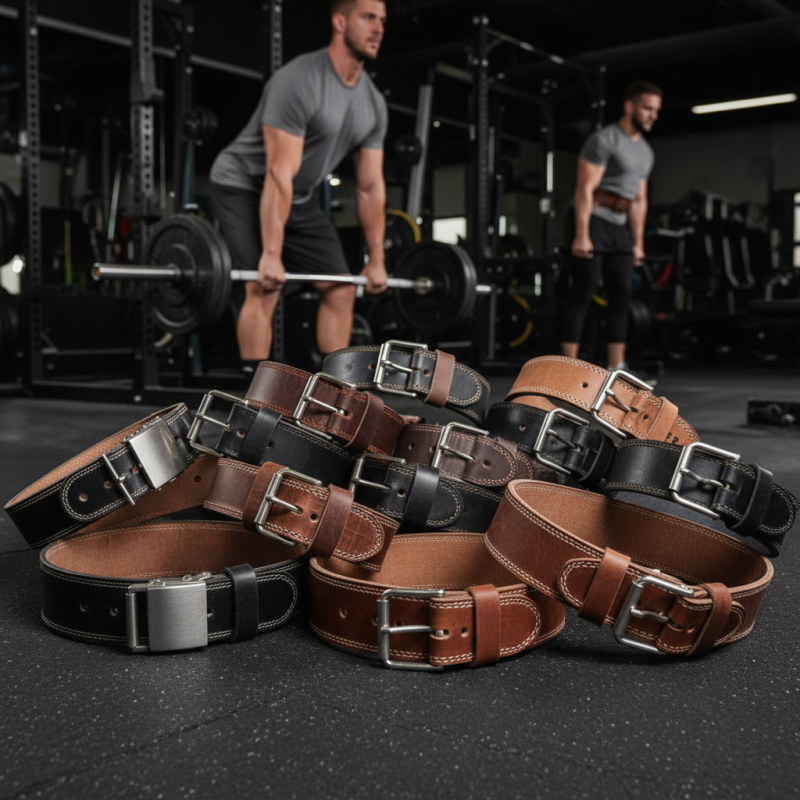
Types of Leather Weightlifting Belts: A Comprehensive Overview
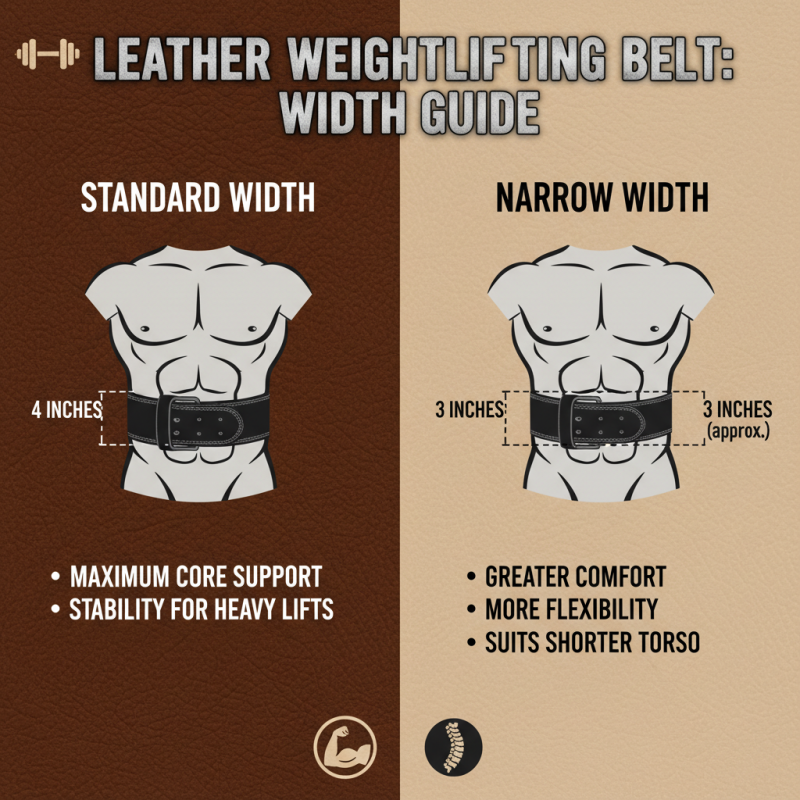
When it comes to weightlifting, leather belts are essential for support. They come in various types, each designed for specific needs. One common type is the powerlifting belt. It offers substantial support for heavy lifts. These belts generally feature a thicker design, providing maximum stability during squats and deadlifts. However, they may feel restrictive at first. It's crucial to find the right fit.
Another type is the Olympic lifting belt, which is often slimmer. This design allows for greater mobility, making it ideal for dynamic movements. Lifters may notice increased comfort during overhead lifts. Yet, some users find that the reduced width offers less back support. Choosing between these options can be challenging.
Finally, there's the hybrid belt. It combines elements of both powerlifting and Olympic belts. This versatility appeals to lifters engaged in various disciplines. But, it may lack the specialized support of dedicated designs. Weighing the pros and cons of each type is vital in determining what works best for you. Understanding your lifting style is key to making an informed choice.
Key Features to Consider When Choosing a Leather Weightlifting Belt
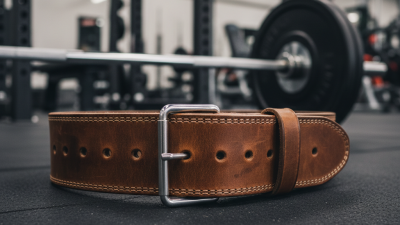
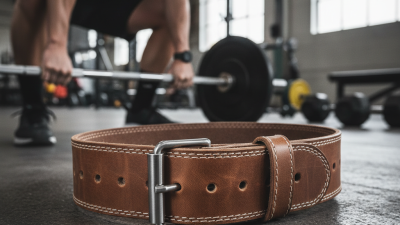
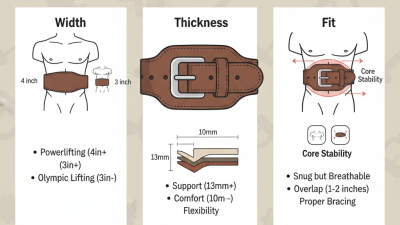
When choosing a leather weightlifting belt, there are several key features to consider. The belt's width plays a significant role. A standard width is around 4 inches. This width offers proper support to your core. However, some may prefer a narrower belt for comfort.
The thickness of the leather also matters. Typically, belts range from 10mm to 13mm thick. Thicker belts provide more support but can feel rigid. A thicker belt may require breaking in. This can be inconvenient, but it's crucial for optimal performance.
**Tips:** Always try the belt on before purchasing. Ensure it feels snug but not overly tight. Consider the buckle type as well. A lever buckle is easy to adjust, while prong buckles offer versatility.
Lastly, think about durability. Look for top-grain leather. This material withstands wear and tear better. A high-quality belt can last for years. Some belts may claim to be durable, but real-world use can prove otherwise. Always check reviews to see how others have fared.
Top 10 Leather Weightlifting Belts: Detailed Reviews and Comparisons
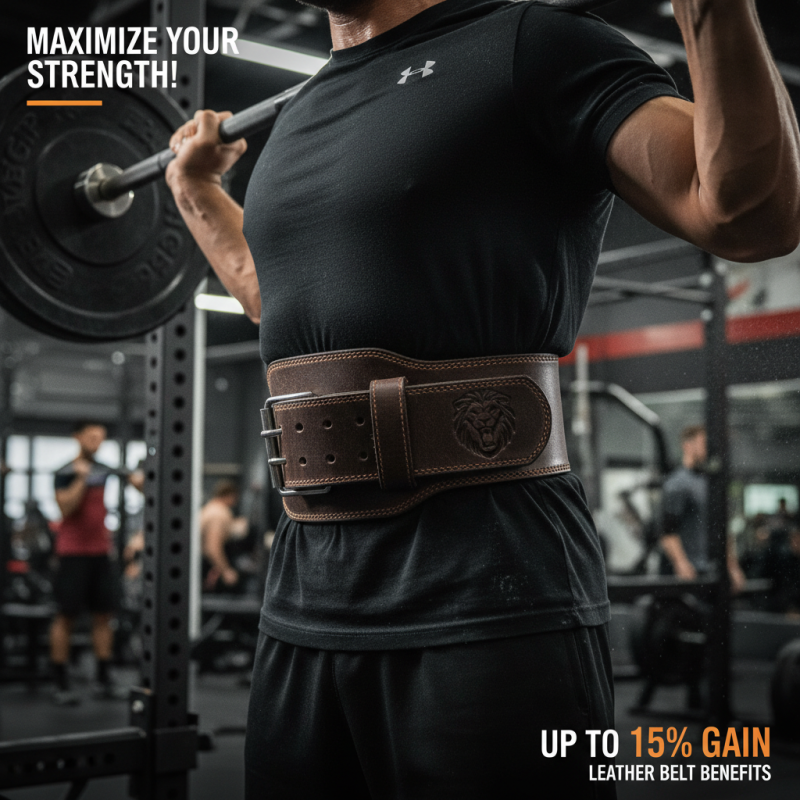
When it comes to weightlifting, a quality leather belt can make all the difference in performance. A study by the National Strength and Conditioning Association found that proper belt use can increase core stability by up to 15%. This stability is crucial for heavy lifts. Many lifters report better lift technique when supported by a sturdy belt. However, not all belts are equal. Some may offer more comfort but compromise on support.
Fit and comfort are essential features. A belt that doesn’t fit well can hinder performance. Reports indicate that lifting belts should ideally sit snugly around the waist without digging into the skin. The leather material ensures durability, but not every leather is the same. Some may be prone to wear and tear, especially in high-use scenarios. Each lifter has unique needs. What works for one might not work for another.
Many lifters overlook the importance of testing a belt before committing. Trying it during lighter lifts can help gauge its effectiveness. Belts come in various widths and thicknesses, affecting their support levels. The wrong choice can lead to issues like muscle strain or lack of confidence. Awareness of these factors is vital for optimal performance during intense training sessions.
Top 10 Leather Weightlifting Belts Performance Comparison
Tips for Proper Use and Maintenance of Leather Weightlifting Belts
Leather weightlifting belts are essential tools for serious lifters. Proper usage and maintenance can significantly enhance performance. Statistics show that using a belt can increase your lift capacity by up to 15%. However, to maximize their benefits, you must understand how to use them correctly.
When putting on a leather belt, ensure it fits snugly around your waist. A loose belt won't provide adequate support. Research indicates that belts should be tight but comfortable. Adjust it for various lifts. This can improve stability and reduce the risk of injury. Regularly check for wear and tear. Signs of damage include cracks or fraying. These can compromise the belt's integrity.
Maintaining your leather belt is crucial. Clean it with a damp cloth after each use. Avoid submerging it in water. This can cause the leather to become stiff. Conditioning your belt with a suitable moisturizer can prolong its lifespan. Aim to condition it every couple of months. Yet, don't overdo it; excessive conditioning can make it too soft. Keep your belt stored in a cool, dry place. Avoid direct sunlight, which can cause fading. Following these tips can lead to more effective training sessions.
Performance Benefits of Using High-Quality Leather Weightlifting Belts
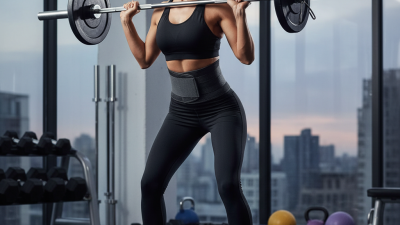
Using a high-quality leather weightlifting belt can significantly enhance your performance in the gym. These belts provide crucial support to your core. This stability allows you to lift heavier weights with confidence. When your core is secure, your form improves. This leads to better muscle engagement and reduced injury risk.
A good leather belt molds to your body over time. This personalized fit is essential for optimal performance. Unlike synthetic materials, leather offers durability and a firm grip. It can withstand the stresses of heavy lifting. However, it’s important to break in the belt properly. A belt that is too stiff at first can restrict your movements.
**Tips for Choosing a Belt:** Look for belts with adequate thickness. A thicker belt often provides more support. Pay attention to the size as well. Your belt should feel snug but not uncomfortably tight. Consider trying it out with various exercises. This can help ensure it suits your lifting style. Remember, even the best belts can't replace good form. Always prioritize your technique to gain the full benefits.
Top 10 Leather Weightlifting Belts for Optimal Performance
| Rank |
Belt Type |
Width |
Thickness |
Weight Capacity |
Performance Benefits |
| 1 |
Pronged |
4 inches |
10 mm |
600 lbs |
Great lumbar support and improved core strength. |
| 2 |
Lever |
3 inches |
13 mm |
800 lbs |
Quick release and adjustment; ideal for heavy lifting. |
| 3 |
Velcro |
4 inches |
7 mm |
500 lbs |
Adjustable sizing; versatile for different types of workouts. |
| 4 |
Double Pronged |
4 inches |
10 mm |
700 lbs |
Excellent stability and support for Olympic lifts. |
| 5 |
Back Support |
5 inches |
12 mm |
900 lbs |
Enhanced lower back support for heavy squats. |
| 6 |
Competition |
3 inches |
10 mm |
1000 lbs |
Optimal support and control for competitive lifting. |
| 7 |
Hybrid |
4 inches |
8 mm |
600 lbs |
Versatile design for multiple training styles. |
| 8 |
Custom Fit |
4 inches |
12 mm |
750 lbs |
Tailored comfort and support for individual lifters. |
| 9 |
Padded |
4 inches |
8 mm |
550 lbs |
Extra comfort for long training sessions. |
| 10 |
Traditional |
3 inches |
7 mm |
500 lbs |
Classic design with reliable support for all lifts. |