Top 10 Sports Fitness Gloves for Ultimate Performance?
In the world of fitness, Sports Fitness Gloves have become an essential accessory for athletes and enthusiasts alike. According to a report by Markets and Markets, the global sports equipment market is projected to reach $200 billion by 2026. This growth emphasizes the increasing awareness of performance-enhancing gear. The right gloves not only provide grip but also protect the hands from injuries.
However, not all gloves are created equal. Many products on the market lack adequate padding or support. A study by the American Journal of Sports Medicine highlights that improper gear can lead to long-term injuries in athletes. It is vital for consumers to select gloves that suit their specific activities. Expert reviews and product comparisons can help guide these decisions.
Selecting Sports Fitness Gloves requires an understanding of your needs. Comfort, durability, and style are crucial factors. While there are many options, not all offer the same level of performance. Balancing functionality with personal preference can be challenging. Investing time in research ensures you find the right fit for optimal training outcomes.

Top Benefits of Using Sports Fitness Gloves in Training
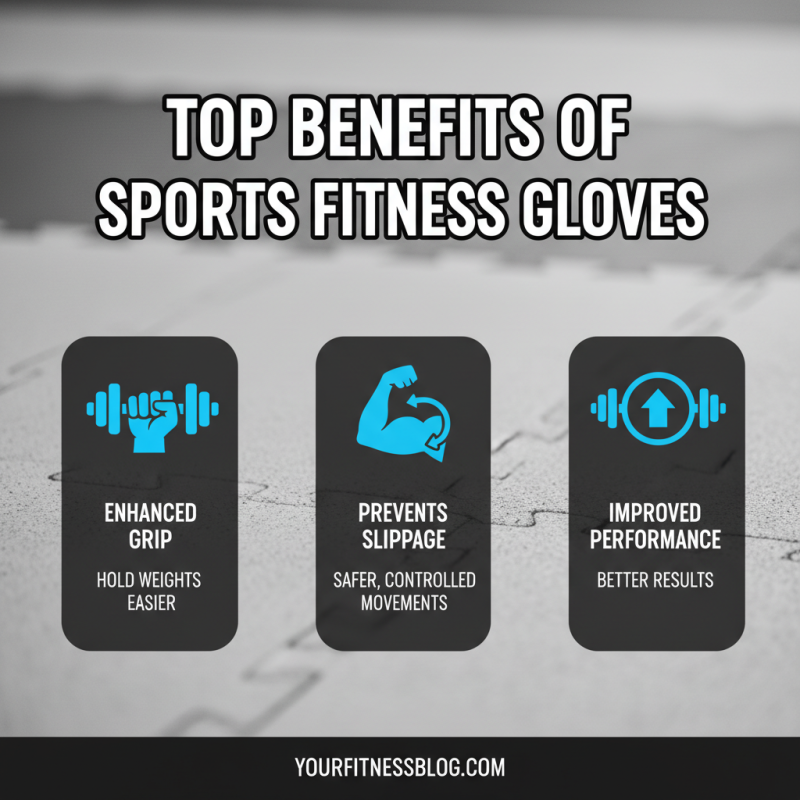
Using sports fitness gloves can significantly enhance your training experience. They provide essential grip, making it easier to hold weights and other equipment. The right gloves help prevent slippage, allowing for more controlled and safer movements. This is crucial when lifting heavy or performing high-rep exercises. A solid grip can lead to better results and improved performance.
Another key benefit is protection. Gloves shield your hands from calluses and blisters, which can occur during intense workouts. This comfort allows you to focus on your training without worrying about pain. Additionally, proper gloves can provide wrist support, reducing the risk of strains. It's important to choose gloves that fit well. Ill-fitting gloves can hinder your performance.
While the advantages of using gloves are clear, some may feel they hinder their natural grip strength. It's essential to balance glove usage with raw training to maintain hand strength. Experimenting with different glove types can help you find what works best for you. This approach ensures you get the benefits without losing touch with the weights. Ultimately, it's about personal preference and what maximizes your training effectiveness.
Key Features to Look for in High-Performance Fitness Gloves
When selecting high-performance fitness gloves, it's essential to focus on specific features that enhance your workout. Grip is paramount. A good glove provides excellent grip to prevent slippage during intense lifts. According to a study from the Sports and Fitness Industry Association, 70% of athletes report improved performance with better grip. Breathability matters too—materials that wick moisture help keep your hands dry.
Padding is another critical element. The optimal amount of cushioning reduces impact on your hands without sacrificing dexterity. Data reveals that gloves with appropriate padding can enhance comfort and prevent blisters, an issue faced by about 30% of frequent gym-goers. Look for gloves that offer strategic padding, ensuring it supports high-stress zones.
Tips: Always check the glove’s fit. Poorly fitted gloves can restrict movement or cause discomfort. Choose gloves that align with your training goals. If you're into heavy lifting, prioritize durability and support. A balance between protection and movement is vital. Reflecting on your choices can lead to better long-term results. Consider your long-term investment in quality gloves for better performance.
Comparison of Material Types: Leather, Synthetic, and Neoprene
When choosing the best fitness gloves, the material is crucial. Leather, synthetic, and neoprene each offer unique advantages and drawbacks. Leather gloves are known for their durability. They provide excellent grip and support. However, they can be heavier and take time to break in. Additionally, leather may get stiff when exposed to sweat. Some users find this uncomfortable during extended workouts.
Synthetic materials tend to be lighter and more flexible. They can wick moisture away very effectively, keeping hands dry. These gloves often have a better fit and feel less restrictive. Yet, not all synthetic materials are created equal; some may wear out faster than leather. Also, users might question the breathability, especially during intense sessions.
Neoprene gloves offer a blend of comfort and flexibility. They often fit snugly and provide good protection against abrasions. However, they can trap heat, which may lead to discomfort. Users have reported issues with sweat accumulation. Each material has strengths and weaknesses. It's essential to consider what fits your training style best. A glove that excels in one area may fall short in another. The choice ultimately comes down to personal preference and specific workout needs.
Top 10 Sports Fitness Gloves for Ultimate Performance
| Glove Type |
Material Type |
Breathability |
Grip Strength |
Durability |
Price Range |
| Weightlifting Gloves |
Leather |
Excellent |
High |
Very High |
$30 - $50 |
| CrossFit Gloves |
Synthetic |
Good |
Medium |
Moderate |
$25 - $45 |
| Cycling Gloves |
Neoprene |
Excellent |
Medium |
High |
$20 - $40 |
| Boxing Gloves |
Leather |
Good |
High |
Very High |
$50 - $100 |
| Yoga Gloves |
Synthetic |
Excellent |
Low |
Moderate |
$15 - $30 |
| MMA Gloves |
Leather |
Fair |
High |
High |
$40 - $80 |
| Rugby Gloves |
Synthetic |
Good |
Medium |
Moderate |
$25 - $45 |
| Tactical Gloves |
Neoprene |
Excellent |
High |
Very High |
$35 - $70 |
| Training Gloves |
Synthetic |
Good |
Medium |
Moderate |
$20 - $35 |
| Rowing Gloves |
Neoprene |
Good |
Medium |
High |
$22 - $38 |
Impact of Grip and Comfort on Athletic Performance Metrics
Grip and comfort play crucial roles in athletic performance. A solid grip can improve control during activities like weightlifting or cycling. Athletes often feel the difference when they choose gloves that enhance their ability to hold equipment securely. The right gloves can prevent slips, which helps maintain consistency in performance. On the other hand, poor grip can hinder athletes, leading to ineffective movements or even injury.
Comfort is equally important. Ill-fitting gloves can cause irritation and distraction. Athletes need to focus on their performance, not on adjusting gear. Gloves that provide the right amount of cushioning can also reduce fatigue. However, not all gloves fit every hand type. Some athletes may find their ideal pair after trying several brands. This can be frustrating but is often necessary to achieve optimal comfort and grip.
Choosing gloves requires attention to these factors. A balance between grip and comfort can make or break a workout. Experimentation and personal feedback are essential. Athletes should assess how their gear impacts overall performance. Reflecting on their experiences can lead to better choices in the future.
Expert Recommendations: Top Brands for Fitness Gloves in 2023
When searching for high-quality fitness gloves, it’s essential to consider expert recommendations. Fitness gloves can enhance grip and provide wrist support, making workouts more effective. Numerous brands are recognized for their commitment to quality and comfort, which leads many athletes to trust their products.
One vital tip is to choose gloves based on your specific activity. Weightlifting, for example, requires durable gloves with a good grip. Consider gloves that offer padding for strength training. For cross-training, opt for gloves made from breathable materials. This choice can prevent overheating and ensure comfort during intense workouts.
Another point to think about is sizing. Many athletes find that poorly fitting gloves can hinder performance. It’s crucial to try on different sizes before purchasing. If you notice any discomfort, it is worth reconsidering your choice. This reflection could lead to a more enjoyable workout experience.
Investing time in selecting the right gloves can significantly impact your fitness journey. The right pair not only protects your hands but also improves your confidence in the gym. Take your time, and don’t be afraid to seek advice from trained professionals.
Top 10 Sports Fitness Gloves Performance Comparison
This bar chart illustrates the performance ratings across various dimensions for the top sports fitness gloves in 2023. The dimensions measured include comfort, durability, grip, flexibility, breathability, and style, providing insight into the overall effectiveness of fitness gloves for optimal performance.