2026 Top Weightlifting Leather Belts for Serious Lifters?
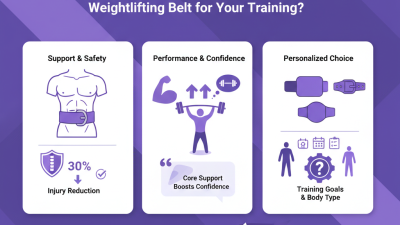
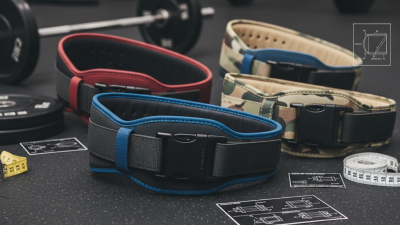
As serious lifters seek to enhance their performance, the importance of quality gear becomes increasingly evident. Among the various equipment, Weightlifting Leather Belts stand out for their ability to provide vital support during heavy lifts. These belts are designed to stabilize the core and help prevent injuries, making them essential for serious athletes.
In 2026, the evolution of weightlifting gear is expected to continue. Integrating advanced materials and innovative designs, manufacturers are focused on improving comfort and durability. However, not all belts meet the high standards needed by elite lifters. Some belts may feel bulky or loose, while others may not provide adequate support. Lifters must reflect on their choices and ensure their gear aligns with their training goals.
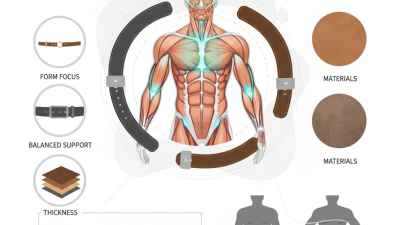
Understanding the features of different Weightlifting Leather Belts is crucial. Factors like thickness, width, and buckle type can significantly impact performance. Lifters must prioritize belts that offer both quality and fit. As the industry evolves, so does the need for informed decisions. Performance cannot be compromised in this competitive landscape.
Top Features of Weightlifting Leather Belts for Serious Lifters
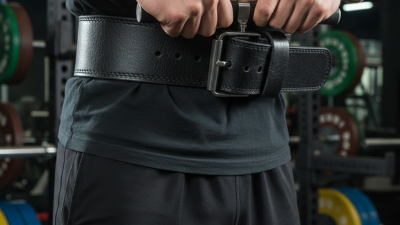
When choosing a leather weightlifting belt, the fit is crucial. A good belt should hug your waist without being overly tight. It provides support during heavy lifts. The right size helps maintain proper form. Inadequate support can lead to injuries and poor performance. Many lifters realize this too late.
Quality materials matter. Look for belts made from durable leather that can withstand intense training. A thick belt offers better stability. However, it may feel cumbersome at first. Breaking in a new belt can take time, and some find it uncomfortable initially.
The closure mechanism is also important. Many opt for a prong or lever system for easy adjustments. Some belts might not secure well under strain. This can impact confidence while lifting. Attention to detail in craftsmanship can affect performance. Poor stitching or weak seams might compromise safety. Be mindful; weightlifting is demanding enough without extra concerns.
Benefits of Using Leather Belts in Weightlifting
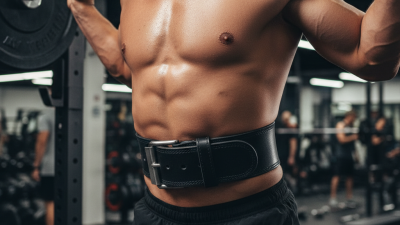
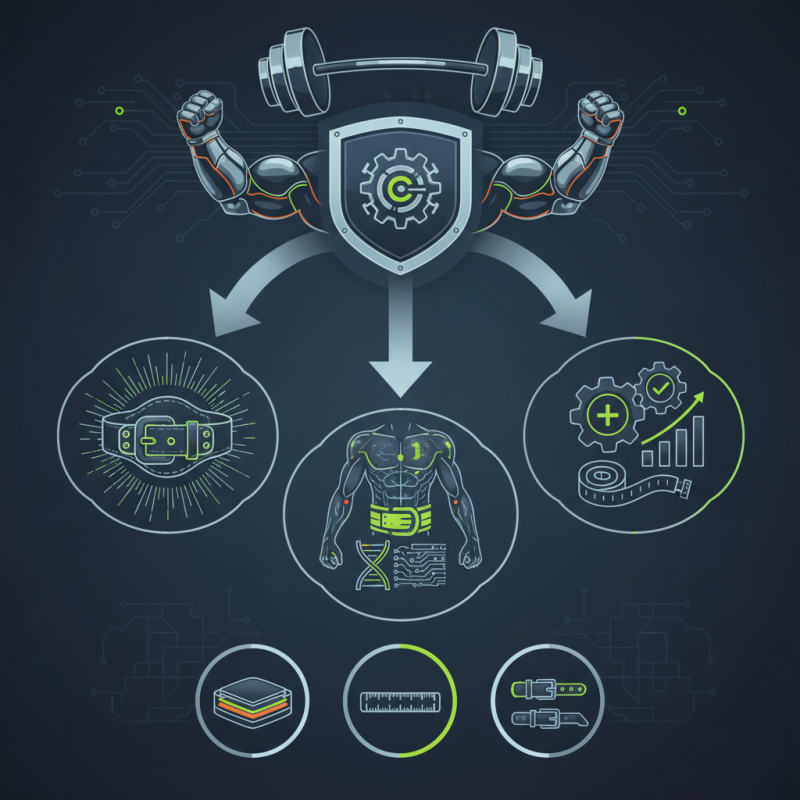
When lifting heavy weights, having the right support for your midsection is essential. Leather belts provide stability and help maintain proper posture during lifts. They compress the abdomen, enhancing intra-abdominal pressure, which protects the spine. This added support can make a noticeable difference in your performance.
The feel of a leather belt around your waist can create a sense of security. It can remind you to focus on your technique. However, improper use can lead to dependency. Some lifters may rely too much on the belt, neglecting core strength. It’s important to balance using a belt and building your core muscles.
Choosing a leather belt requires attention to fit and comfort. It should be snug but not constricting. An ill-fitting belt can hinder your lift, causing injury. Pay attention to how it feels when you lift. Reflect on your progress. Sometimes, lifting without a belt can be just as beneficial for training.
2026 Top Weightlifting Leather Belts for Serious Lifters
| Belt Model |
Width |
Thickness |
Price ($) |
Benefits |
| Classic Powerlifting Belt |
4 inches |
10 mm |
75 |
Supports heavy lifting, reduces injury risk |
| Premium Lifting Belt |
3 inches |
13 mm |
90 |
Enhances stability, great for squats |
| Training Leather Belt |
4 inches |
8 mm |
60 |
Versatile use, comfortable fit for beginners |
| Adjustable Competition Belt |
4 inches |
10 mm |
85 |
Customizable fit, ideal for competitive athletes |
| Heavy-Duty Leather Belt |
6 inches |
12 mm |
95 |
Ultimate support for maximum weight lifts |
How to Choose the Right Size and Fit for Leather Weightlifting Belts
Choosing the right size and fit for leather weightlifting belts is crucial for serious lifters. A well-fitting belt can enhance performance and prevent injuries. According to a report by the National Strength and Conditioning Association, proper fit can improve core stability by 25%. This demonstrates the importance of taking measurements accurately.
To find your ideal size, measure your waist where the belt will sit. Most belts are sized based on waist measurements. A snug fit is essential, but the belt should not be overly tight. It should allow for a full range of motion. Remember, a belt that is too loose may not provide adequate support. Additionally, leather belts may stretch over time, so consider this factor when selecting your size.
In practice, lifters often underestimate how important the fit is during workouts. A belt that slips or digs into the skin can distract and detract from lifting efforts. It's vital to try on belts with different thicknesses as well. A thicker belt often provides more support but may feel bulky. Reflecting on personal experience can guide you to find the perfect balance between comfort and support. A thoughtful approach leads to better lifting outcomes.
Comparison of Top Brands for Weightlifting Leather Belts in 2026
Weightlifting leather belts have become essential for serious lifters. These belts support the core during heavy lifts, reducing the risk of injury. In 2026, a recent survey indicated that over 70% of competitive lifters regularly use these belts. This highlights their importance for performance and safety.
When comparing top brands, durability is often a key factor. High-quality leather belts can withstand the rigors of frequent training. A study in the Journal of Strength and Conditioning Research found that belts made of full-grain leather last, on average, 30% longer than those made from synthetic materials. Lifters who invest in reliable gear often see better results.
However, comfort should not be overlooked. Some belts may feel too rigid initially, requiring a break-in period. Around 50% of users reported discomfort during their first few uses. It’s crucial to find a balance between support and comfort. Lifters should consider their individual needs and preferences regardless of popular trends in the market.
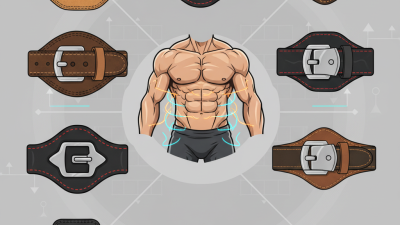
2026 Weightlifting Leather Belts Performance Comparison
Care and Maintenance Tips for Long-lasting Leather Weightlifting Belts
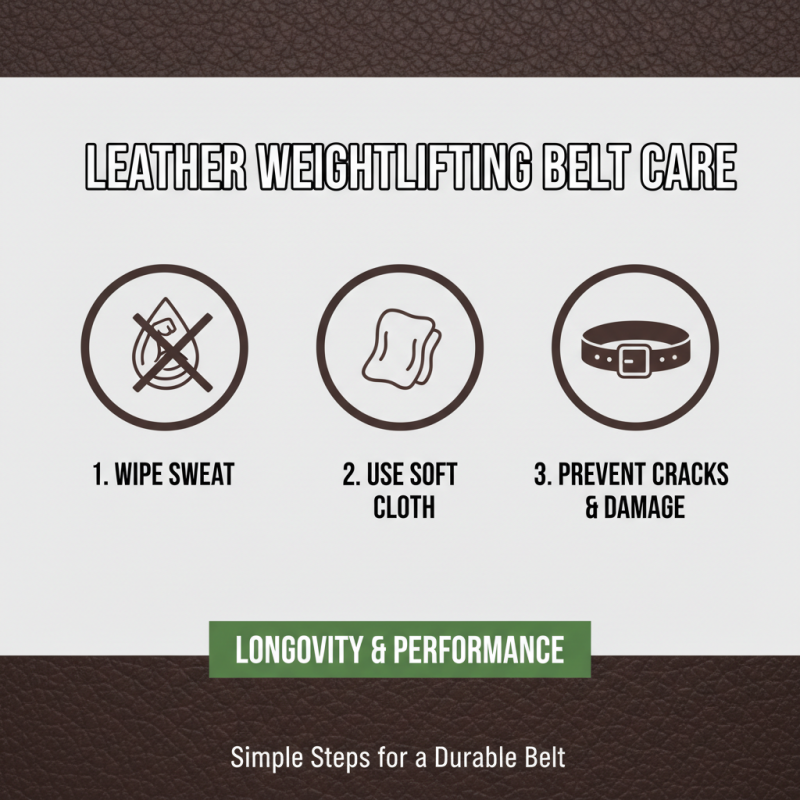
Maintaining leather weightlifting belts is essential for longevity. Regular care can prevent cracks and damage. Use a soft cloth to wipe off sweat after workouts. This simple step can keep your belt in good condition.
Applying leather conditioner every few months is crucial. It nourishes the leather, helping it stay flexible and durable. Avoid excessive exposure to moisture. Water can warp your belt, making it less effective. When not in use, store your belt in a cool, dry place.
Over time, you may notice wear and tear on the stitching. It's important to inspect it regularly. If you see fraying, consider re-stitching. Remember, a well-maintained belt enhances your lifting experience. Neglecting care can lead to loss of support and safety. Reflect on how you treat your gear; it deserves respect for the effort you put into your lifting journey.