Top Weightlifting Waist Belts in 2026 for Optimal Performance and Support
In the world of weightlifting, a proper Weightlifting Waist Belt is crucial for performance and injury prevention. As expert strength coach Mark Thompson states, "A quality waist belt enhances stability and confidence during lifts." This underscores the importance of selecting the right belt for one's specific needs.
In 2026, the market offers innovative designs that cater to various lifting styles. These belts provide optimal support while ensuring mobility. Many lifters, however, often overlook the importance of fit and material. A poor fit can lead to discomfort and decreased performance.
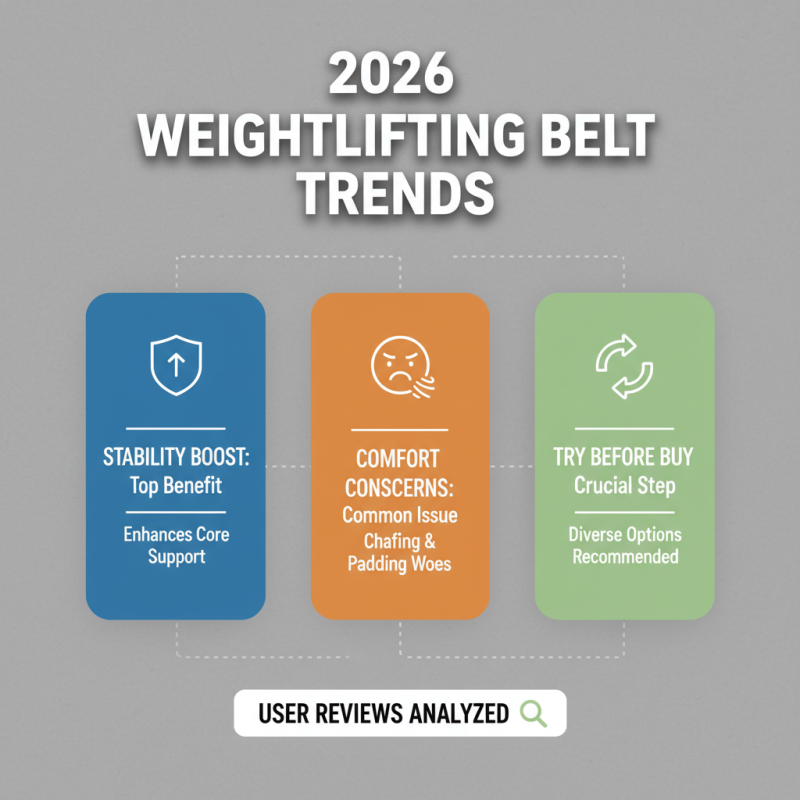
Choosing a Weightlifting Waist Belt is not just about brand prestige. Lifters should consider personal comfort and support level. It's essential to test a few options. Consider feedback from trainers and peers. This journey of finding the perfect belt is a learning experience, revealing that there’s always room for improvement in one’s approach to lifting.
Overview of Weightlifting Waist Belts and Their Importance
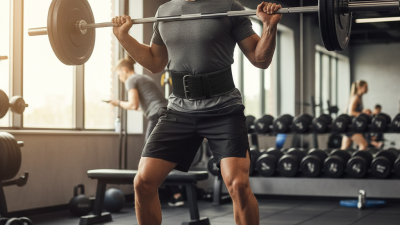
Weightlifting waist belts play a crucial role in supporting lifters during heavy lifts. They provide abdominal and lower back stability. This support can help maintain proper body mechanics. Without a belt, lifters might be prone to injury. The belt creates intra-abdominal pressure, enhancing strength and stability. This advantage allows for better lifting performance.
Choosing a waist belt is not easy. Various materials and designs exist, each with unique benefits. Some belts can be too rigid, limiting movement. Others may lack adequate support, creating doubts during heavy lifts. Finding the right balance is essential. A good belt should fit comfortably but snugly, providing confidence without restricting flexibility.
It's essential to remember that a belt is not a magical solution. It's only one piece of the puzzle. Lifters must still focus on their technique and training. Relying solely on a belt could lead to overconfidence or bad habits. Regular evaluation of lifting form and strength levels is necessary. Long-term progress requires a thoughtful approach to equipment and training.
Top Weightlifting Waist Belts in 2026 for Optimal Performance and Support
| Model |
Material |
Width |
Support Level |
Weight Capacity |
User Rating |
| Heavy Duty Belt A |
Leather |
4 inches |
High |
600 lbs |
4.8 |
| Adjustable Belt B |
Nylon |
3 inches |
Medium |
500 lbs |
4.6 |
| Pro Support Belt C |
Canvas |
5 inches |
High |
650 lbs |
4.9 |
| Lightweight Belt D |
Synthetic |
3.5 inches |
Medium |
400 lbs |
4.4 |
| Elite Belt E |
Premium Leather |
6 inches |
Very High |
800 lbs |
5.0 |
Key Features to Look for in a High-Quality Waist Belt
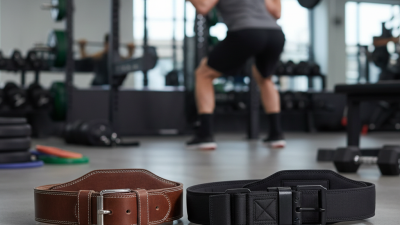
When choosing a weightlifting waist belt, there are several key features to consider. The material is crucial. Look for durable, yet flexible materials. Nylon and leather are popular choices. They offer breathability and support. A good belt should also have adequate padding. This can enhance comfort during heavy lifts.
Another essential feature is the width of the belt. A wider belt provides more support to the lower back. However, it can limit mobility. Finding a balance is important. A belt that is too stiff may hinder performance.
Adjustability is also vital. Ensure the belt has a reliable closure system. This prevents slipping during workouts.
Lastly, the overall fit matters significantly. The belt should fit snugly around your waist without causing discomfort. A poor fit can lead to distractions during lifts. Take time to assess your specific needs and preferences. This can help you select an optimal belt for your training.
Each lifter's requirements vary, so choose wisely. Reflect on your experiences to make the best choice.
Top Brands and Models of Weightlifting Waist Belts in 2026
When choosing weightlifting waist belts, options abound in 2026. Quality, comfort, and support are essential. Many athletes seek belts that enhance performance while reducing injury risk. A well-designed belt can provide stability during heavy lifts. Think about materials used and how they fit your body.
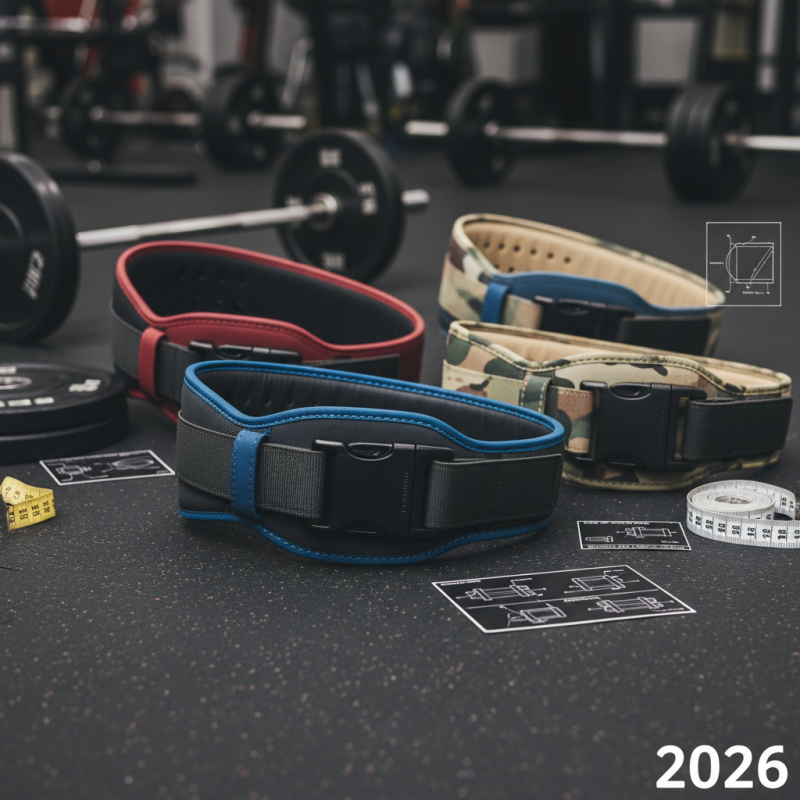
Popular models often feature adjustable straps. This allows for a customized fit. Some include extra padding for comfort. Athletes want to feel secure and not restricted. Yet, finding the perfect level of tightness can be challenging. On occasion, belts may dig into the skin, causing discomfort.
Color and style can also play a role in selection. Many lifters prefer bold designs that express their personality. However, performance should always come first. Functionality often trumps aesthetics. A belt that doesn’t provide adequate support will not help in the long run. Consider these factors before making a purchase.
Top Weightlifting Waist Belts Performance Comparison in 2026
This chart showcases the average performance metrics of various top weightlifting waist belts in 2026, focusing on support and comfort levels measured on a scale of 1 to 10.
Tips for Proper Usage and Maintenance of Weightlifting Waist Belts
Proper usage and maintenance of weightlifting waist belts can significantly enhance performance. Studies indicate that a well-fitted waist belt can increase lifting capacity by up to 15%. However, many lifters fail to adjust their belts correctly. Loose belts do not provide adequate support and might lead to injuries.
Wearing the belt correctly is crucial. It should sit around the waist, above the hips and below the ribcage. This position stabilizes the core during heavy lifts. Additionally, avoid overtightening the belt; it can restrict breathing and cause discomfort. Aim for a snug fit that supports your movements without impeding breath.
Maintenance is equally important. Regularly check for signs of wear, such as frayed edges or loose stitching. Cleaning your belt after each use can prevent the buildup of sweat and grime. Use a damp cloth and mild soap for cleaning. This simple habit can prolong the life span of your belt. Ignoring maintenance can result in diminished support and ultimately affect your performance.