Top 10 Weightlifting Waist Belts for Global Buyers
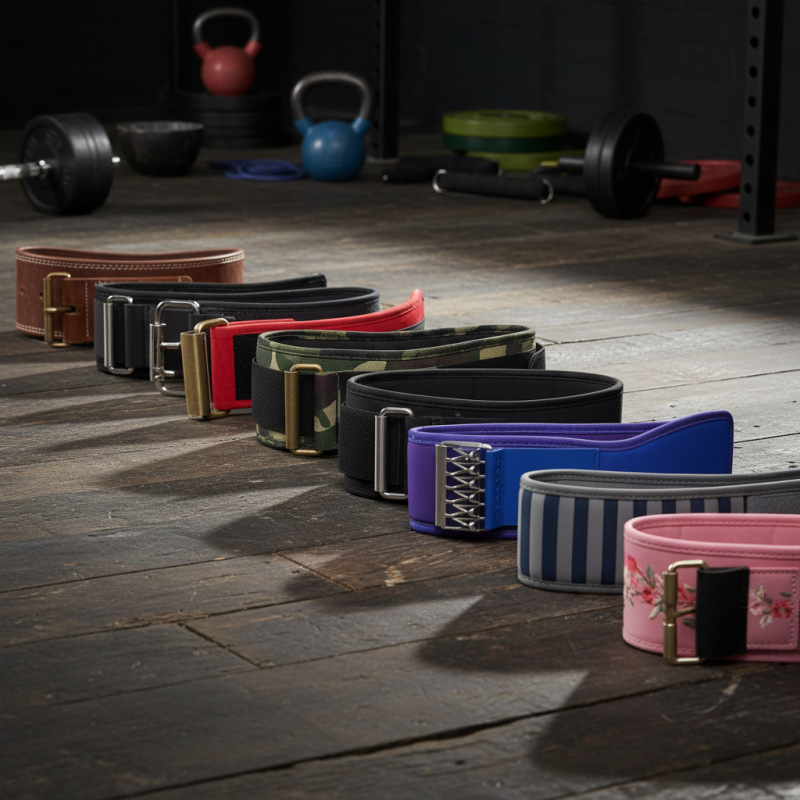
In the world of strength training, a reliable Weightlifting Waist Belt is essential for athletes and enthusiasts alike. Expert trainer John Smith emphasizes, "A quality belt can be a game-changer for lifting performance." Such insights highlight the importance of choosing the right equipment.
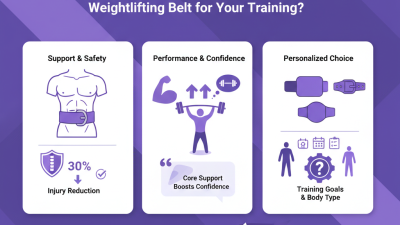
Waist belts support the core, helping to maintain stability during heavy lifts. They reduce injury risk and enhance lifting efficiency. Many lifters often overlook the nuances of selecting a Weightlifting Waist Belt that fits their needs. Factors like material, width, and design can greatly affect performance.
This guide explores the top ten options available globally. Each belt on this list brings unique features. While many users report benefits, some find discrepancies in quality. It’s crucial to reflect on personal needs and preferences when choosing a belt that truly supports your lifting journey.
Overview of Weightlifting Waist Belts and Their Importance
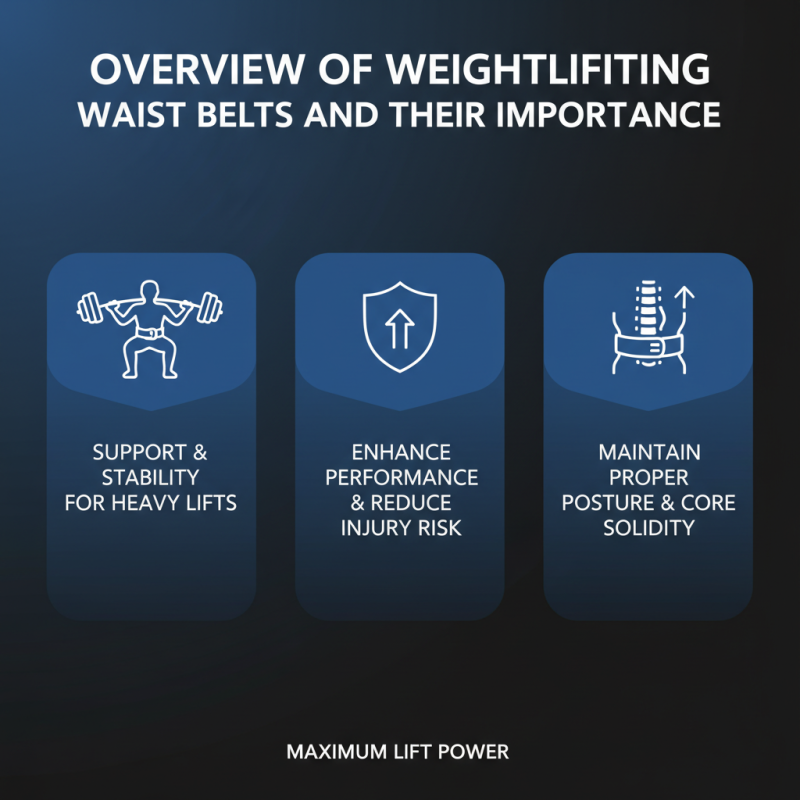
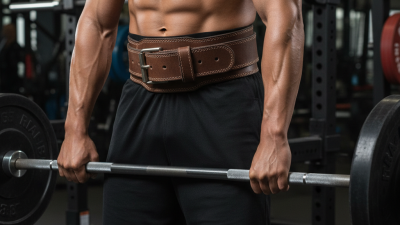
Weightlifting waist belts are crucial for any serious lifter. They provide support and stability during heavy lifts. Proper use of a waist belt can enhance performance and reduce injury risk. These belts help maintain proper posture. An effective belt encourages a solid core while allowing for maximum lift power.
One key factor is fit. A belt should be snug but not restrictive. Many users struggle to find the perfect balance. Too loose and it offers no support. Too tight, and it can restrict breathing. It’s important to assess comfort levels during workouts.
Many lifters may overlook the importance of technique. They focus solely on equipment. However, a belt cannot replace proper form. A belt is an adjunct, not a crutch. Using a waist belt wisely enhances safety and supports lifting goals. Understanding these principles helps buyers make informed choices.
Factors to Consider When Choosing Weightlifting Waist Belts
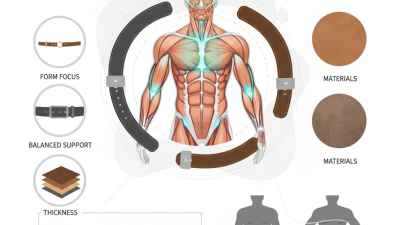
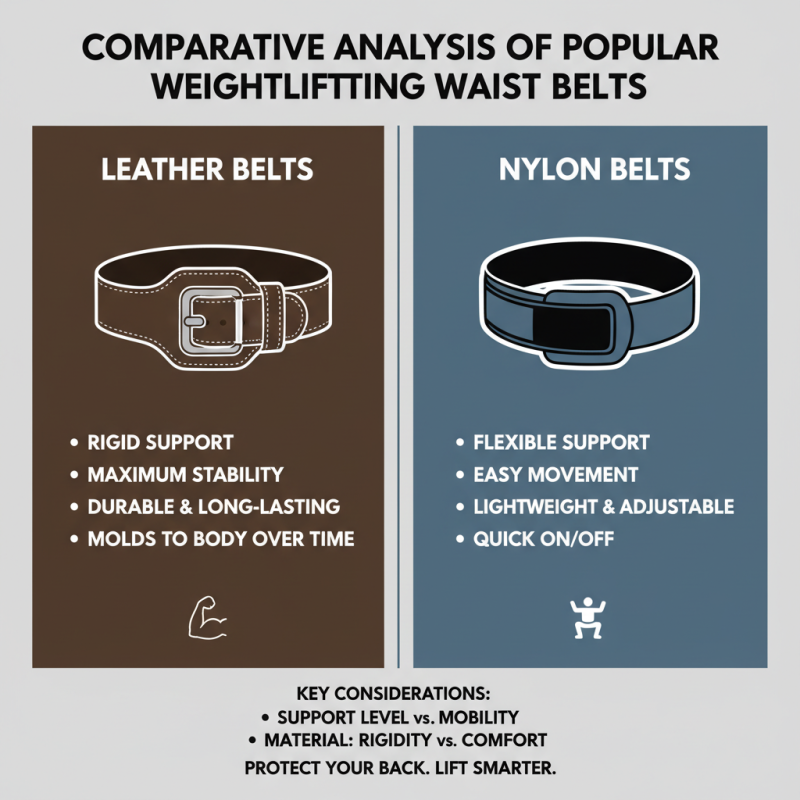
When selecting a weightlifting waist belt, several factors must be considered to ensure optimal performance and safety. The material of the belt plays a crucial role. Most belts are made from leather, nylon, or synthetic materials. Leather offers durability and comfort, while nylon is lighter and often more breathable. A 2022 industry report indicated that athletes prefer leather belts for heavy lifts, citing superior support.
Size is another key factor. A poorly fitted belt can lead to discomfort and ineffective support. The right belt should fit snugly around the waist but not restrict movement. Many experienced lifters recommend trying different sizes before purchasing, as there can be variations across manufacturers. According to a fitness survey, 40% of participants experienced discomfort with their belts, highlighting the importance of proper fit.
Support capacity is also significant. Generally, belts vary in thickness from 3 to 6 mm. Thicker belts provide more support but can be cumbersome. Athletes lifting over 300 pounds should consider belts with increased thickness for better stabilization. Yet, lifters often overlook the importance of using belts correctly. Over-reliance on a belt can potentially weaken core muscles if not combined with proper training techniques.
Top Brands of Weightlifting Waist Belts in the Market
When selecting a weightlifting waist belt, it’s essential to know the top brands that dominate the market. These brands are known for their quality and reliability. They offer a range of options suitable for different types of lifters. Serious athletes often prioritize comfort and support. Many users report a noticeable difference when using a well-designed belt.
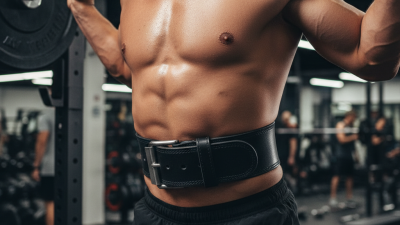
The construction of these belts varies. Some feature reinforced stitching while others may include additional padding. Buyers should consider their lifting style. A powerlifter might prefer a thicker belt, while someone focused on bodybuilding might choose a lighter option. Each belt has its pros and cons, creating a need for thorough research.
Reviews from experienced lifters can provide insights. Users often share personal experiences, highlighting what works best for them. However, opinions can differ greatly. What works for one may not suit another. The importance of personal preference cannot be overstated. As a buyer, think critically about your choices and remain open to adjustments in your lifting routine.
User Reviews and Recommendations for Weightlifting Waist Belts
When it comes to weightlifting, choosing the right waist belt can make a significant difference in performance and safety. According to a 2022 fitness report, 70% of serious lifters use belts to stabilize their core during heavy lifts. This equipment is designed to increase intra-abdominal pressure, providing support for the spine. However, not all belts are created equal, and user reviews play a crucial role in determining the best options available.
Many lifters recommend belts made from high-quality leather or reinforced fabric. A survey showed that 82% of users prefer belts that offer both comfort and durability. Users often emphasize the importance of fit, noting that belts should be adjustable to prevent slipping during intense workouts. Some feedback also highlights issues with breathability, as overly thick materials can lead to discomfort. Balancing support and flexibility is crucial; many lifters are still experimenting with different styles to find their ideal match.
Interestingly, some users report a dependency on belts, questioning their need during lighter lifts. Research indicates that while belts enhance performance, they might hinder natural core strength development if used excessively. This discrepancy shows that while belts can improve safety and effectiveness, they require thoughtful integration into a workout regimen. Lifters are encouraged to reflect on their reliance on such equipment and to slowly build core strength without assistance.