Top 10 Weightlifting Waist Belts for Ultimate Support and Performance?
In the competitive world of weightlifting, proper support is essential. A high-quality Weightlifting Waist Belt can significantly enhance performance. According to a report from the National Strength and Conditioning Association, lifting belts can improve lifting performance by up to 15% when used correctly. This statistic highlights the importance of choosing the right belt.
Expert Michael G. Smith, a well-respected figure in the weightlifting community, states, "A Weightlifting Waist Belt not only protects your spine but also boosts your lifting capabilities." This clearly reinforces the belt's role as a tool for safety and improved performance. However, athletes often overlook the importance of fit and material. A poorly fitted belt may not provide the necessary support, leading to potential injury.
Moreover, personal experiences vary. Some lifters swear by their belts, while others feel restricted. Finding the right balance can be a challenge. As you explore the top Weightlifting Waist Belts, consider both performance benefits and comfort. The ideal choice should feel like a second skin, offering support without sacrificing mobility.
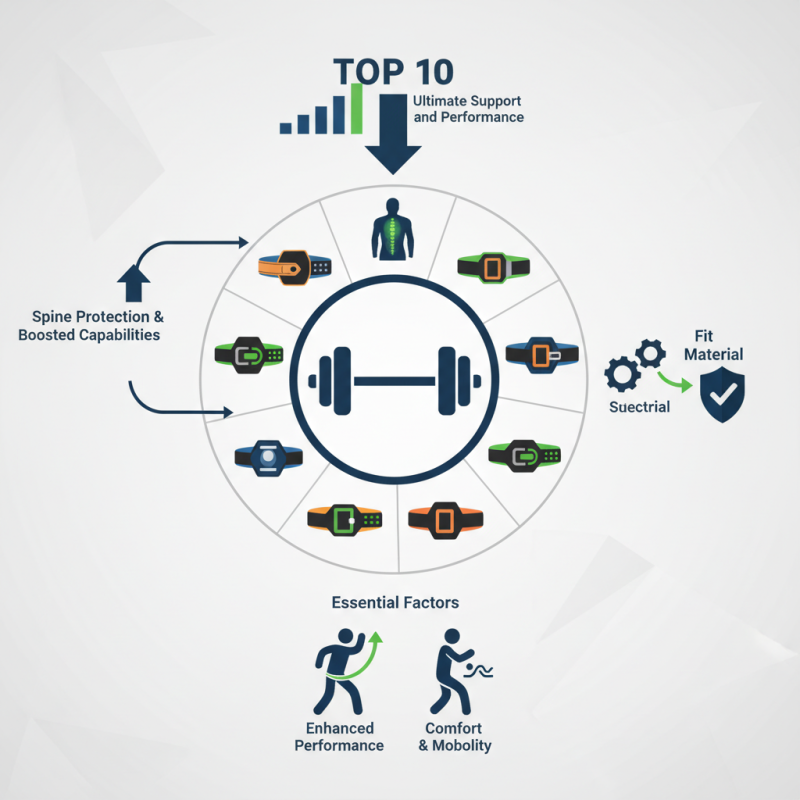
Top Features to Look for in Weightlifting Waist Belts
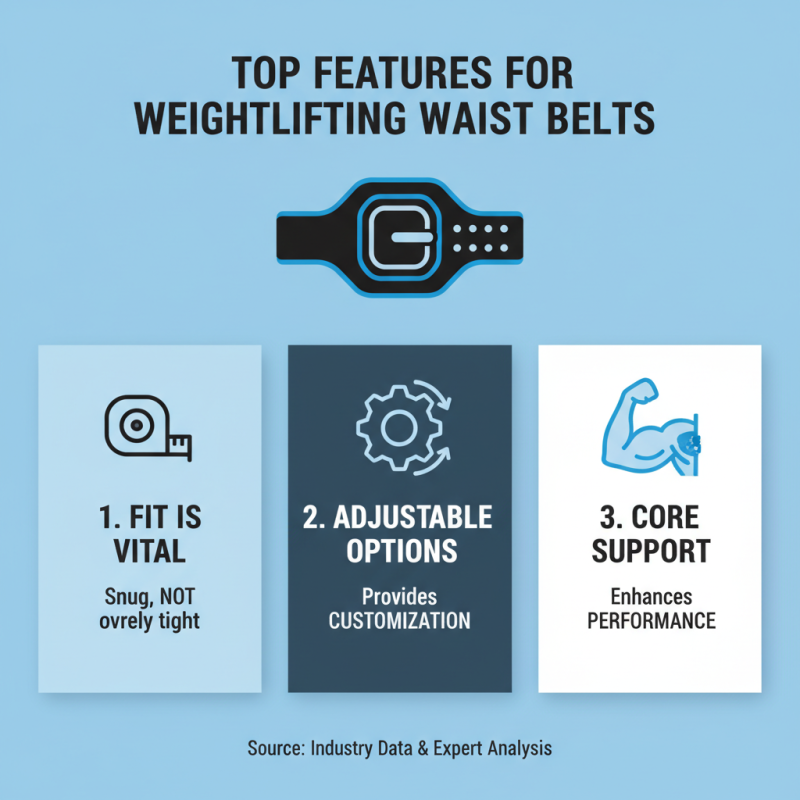
When choosing weightlifting waist belts, several features stand out as crucial for support and performance. Fit is vital. A properly fitting belt should feel snug but not overly tight. According to industry data, belts that offer adjustable options provide better customization. This adaptability helps the user maintain optimal core support during lifts.
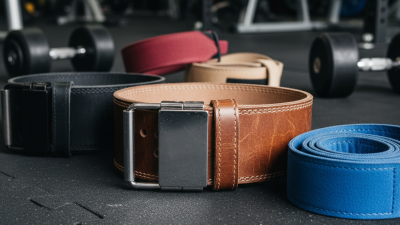
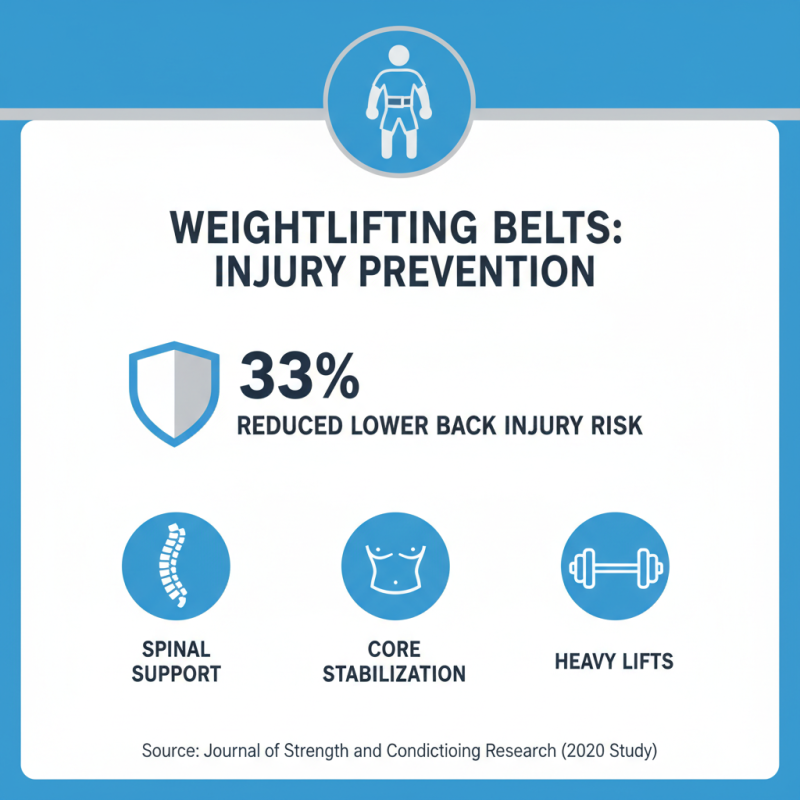
Material also plays a significant role. Many belts are made from leather or nylon. Leather provides durability. Nylon, on the other hand, can offer breathability and flexibility. Research indicates that a high-quality belt can reduce the risk of injury by supporting the lower back. Many weightlifters report enhanced performance when using well-constructed belts.
Moreover, the width and thickness of the belt directly affect stability. A wider belt distributes pressure evenly across the abdomen. An average belt width of 4 inches is often recommended for heavy lifting. Additionally, many lifters overlook the importance of comfort. An uncomfortable belt can distract from focus during training sessions. As such, proper evaluation is necessary when selecting the right equipment.
Evaluating Material Durability and Comfort in Weightlifting Belts
When evaluating weightlifting belts, material durability and comfort are paramount. A well-constructed belt provides essential support while allowing freedom of movement. According to a study by the National Strength and Conditioning Association, belts made from high-quality leather or reinforced synthetic materials tend to offer superior durability. These materials resist wear and tear over time, ensuring the belt lasts through rigorous training sessions.
Comfort is equally important. A belt that fits well should not dig into the skin or inhibit breathing during lifts. Research indicates that belts with additional cushioning or ergonomic designs can increase user comfort. A survey of weightlifters found that 70% prefer belts with adjustable features. This flexibility allows for a better fit across various body types and training intensities. However, an improperly fitted belt can lead to discomfort and even injuries—an aspect that many athletes overlook.
Choosing a belt involves understanding these factors and considering personal needs. Optimal support should not come at the cost of comfort. Without a proper fit, the potential benefits of a quality belt diminish. Weighing these factors can lead to a more educated decision and ultimately enhance performance in the gym.
Top 10 Weightlifting Waist Belts for Ultimate Support and Performance
| Belt Model |
Material |
Durability Rating |
Comfort Level |
Weight Support (lbs) |
Price ($) |
| Model A |
Leather |
9/10 |
High |
600 |
49.99 |
| Model B |
Nylon |
8/10 |
Medium |
500 |
34.99 |
| Model C |
Faux Leather |
7/10 |
Low |
400 |
29.99 |
| Model D |
Canvas |
8/10 |
High |
550 |
39.99 |
| Model E |
Suede |
9/10 |
Medium |
650 |
54.99 |
| Model F |
Neoprene |
8/10 |
High |
500 |
39.99 |
| Model G |
Elastic |
6/10 |
Medium |
350 |
24.99 |
| Model H |
Polyester |
7/10 |
Medium |
450 |
34.99 |
| Model I |
Vinyl |
8/10 |
High |
500 |
44.99 |
| Model J |
Comb Fabric |
9/10 |
High |
700 |
59.99 |
Performance Benefits: How Weightlifting Belts Enhance Lifting Capacity
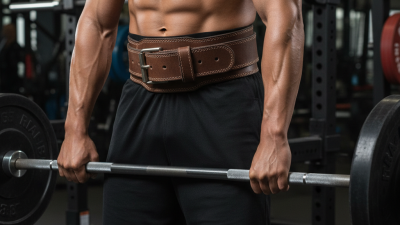
Weightlifting belts are often overlooked, yet they play a crucial role in enhancing performance and safety during intense lifts. When properly worn, these belts provide critical support to the core and lower back. They help stabilize your spine, facilitating better lifting technique. This leads to increased lifting capacity, allowing athletes to push beyond their limits.
Biomechanically, a weightlifting belt increases intra-abdominal pressure. This pressure supports the spine during heavy lifts, reducing the risk of injury. However, reliance on a belt can lead to neglecting core strength development. Lifters must strike a balance between using a belt for heavy lifts and strengthening the core through other exercises.
Moreover, the psychological aspect cannot be ignored. Wearing a belt can boost confidence, instilling a sense of security when lifting heavy weights. However, it’s essential to be mindful not to develop a dependency. Each lifter’s journey is unique, and understanding how to integrate a lifting belt into training is vital for growth. Personal experimentation will reveal the best approach while being aware of individual limitations.
Comparing Leading Brands: A Review of the Top 10 Weightlifting Belts
When it comes to weightlifting, support and stability are crucial. A good weightlifting belt can significantly enhance your performance by providing the necessary back support. However, not all belts are created equal. Various brands offer different materials, designs, and features, making it essential to compare them carefully.
While some belts are made from durable leather, others might use synthetic materials for flexibility. The choice impacts how the belt feels during heavy lifts. A rigid belt can offer more support but might feel restrictive. Conversely, a more flexible belt could provide comfort but less rigidity. It's vital to strike a balance based on personal needs and workout styles.
Testing a belt before committing is wise, as fit and comfort vary widely. Consider how it fits around your waist and whether it stays in place during movements. Listen to feedback from the weightlifting community. Online reviews can provide valuable insights, but personal experience remains crucial. Finding the right belt might take time, and adjustments may be necessary. Embrace the learning process.
Top 10 Weightlifting Waist Belts for Ultimate Support and Performance