Why You Should Consider Using a Fitness Belt for Your Workouts?
When it comes to workouts, the right gear can make a big difference. A Fitness Belt is one such tool that deserves your attention. It supports your movements, ensuring comfort and stability during various exercises. Whether you are lifting weights or running, a Fitness Belt helps keep your focus on performance.
Imagine running without your essentials bouncing around. A Fitness Belt holds your phone, keys, or snacks securely. This simple addition can make your workout more enjoyable. You won't be distracted or inconvenienced. With a Fitness Belt, you can maintain a sense of freedom while staying organized.
However, not everyone may recognize the value of a Fitness Belt. Some might think it's just an accessory, but it can enhance your experience. If you’ve struggled with discomfort during workouts, reconsider this underrated piece of gear. It may be the key to unlocking your potential. Reflect on your fitness journey and consider how this small change could lead to big improvements.

Benefits of Using a Fitness Belt During Workouts
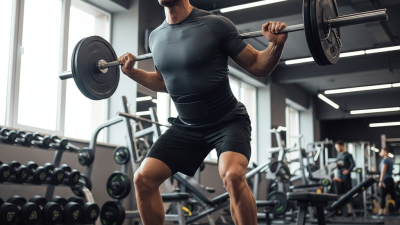
Fitness belts can significantly enhance your workout experience. They offer support and stability, especially during intense exercises. When you wear a fitness belt, you help maintain proper posture. This helps prevent injuries and promotes effective movements.
Tips for choosing the right belt: Look for comfort. It should fit snugly but not too tight. You want freedom of movement. Also, consider the material. Breathable fabrics can make a huge difference, especially during sweaty sessions.
Using a fitness belt also provides a psychological boost. Knowing you have extra support can increase your confidence. This might push you to challenge yourself more. However, some people may over-rely on a belt. There’s a risk of neglecting core strength. Building a strong core is essential. Reflect on your reliance on equipment. Balance is key to effective training.
Types of Fitness Belts and Their Features
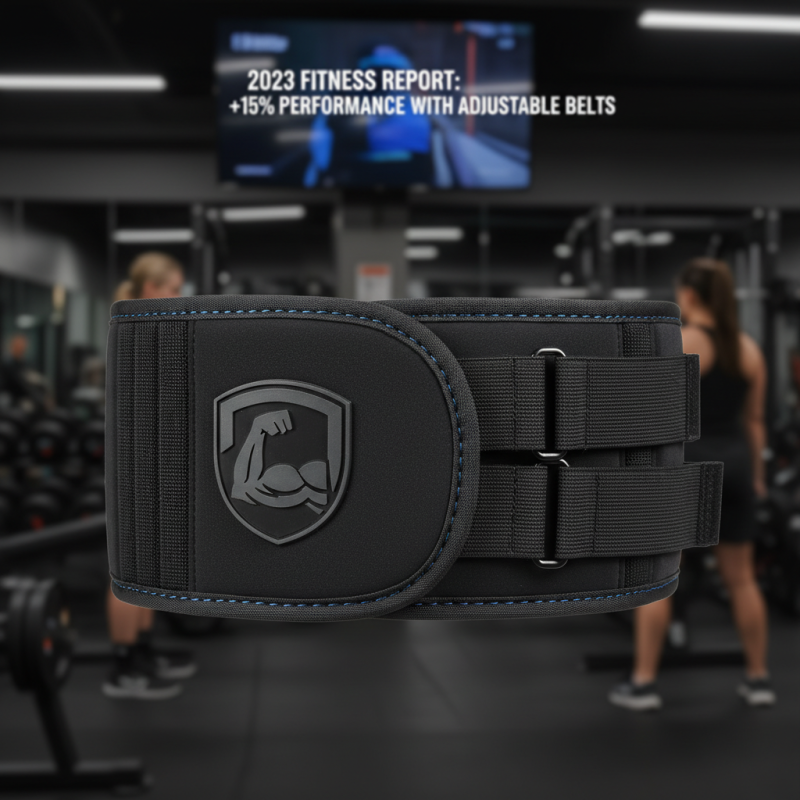
Fitness belts come in various types, each designed to enhance workouts in distinct ways. One popular type is the adjustable fitness belt, known for its versatility. These belts typically feature expandable materials that allow athletes to customize the fit based on their body type. According to a 2023 fitness report, adjustable belts can improve support during high-intensity exercise, increasing performance by up to 15%.
Another type is the weighted fitness belt, which incorporates extra weight for added resistance. Research indicates that using such belts can boost core strength dramatically. A recent study revealed that participants using weighted belts during training reported a 20% increase in overall strength gains compared to those not using them. However, proper usage is crucial; overloading can lead to injuries.
Lastly, there are compression belts designed to reduce muscle vibration while exercising. This type helps in maintaining proper posture, which is vital during workouts. A 2022 analysis showed that workers using compression belts experienced a 10% decrease in fatigue levels. Yet, these belts might not fit everyone comfortably, leading to potential distraction. Attention should be paid to fit and comfort to maximize benefits.
How to Choose the Right Fitness Belt for Your Needs
Choosing the right fitness belt can significantly enhance your workouts. When selecting a belt, consider the type of fitness activities you engage in. If you’re into weightlifting, look for a sturdy belt that provides adequate support. This type will help stabilize your core during heavy lifts. For cardio enthusiasts, a lightweight belt is ideal. It should be comfortable and not restrict movement.
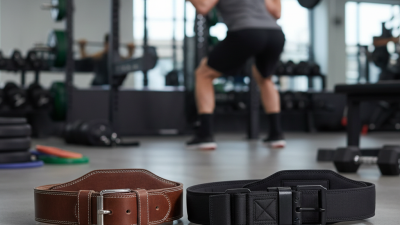
Material is another important factor. Many belts are made from nylon or leather. Nylon belts are often more breathable but may lack the durability of leather options. Evaluate your comfort level. A poorly fitting belt can distract from your training. Make sure to try different sizes and styles. Comfort and practicality should be your main priorities.
Look at the belt’s closure mechanism. Some belts use traditional buckles, while others have Velcro. Buckles offer security, while Velcro might be easier to adjust. Test these features before making your purchase. You may need to adjust how you use it as you train. Reflect on what works best for you at different intensity levels.
Benefits of Using a Fitness Belt During Workouts
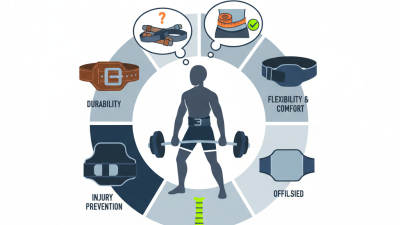
This chart illustrates the various benefits of using a fitness belt during workouts. Each bar represents a specific advantage, rated on a scale from 0 to 100, showcasing how significantly each benefit contributes to your overall workout experience.
Safety Considerations When Using a Fitness Belt
When using a fitness belt, safety should be your top priority.
A recent report by the National Strength and Conditioning Association indicates that improper use of a fitness belt can lead to injuries.
Straining one’s back or experiencing muscle discomfort are common issues for users who don’t adhere to correct practices.
Therefore, understanding the appropriate scenarios to wear such a belt is crucial.
Another consideration is the fit of the belt.
A belt that is too tight may restrict movement and blood flow, increasing the risk of injury.
Experts recommend opting for a snug fit without compromising comfort.
Monitor your body’s response while wearing it. If you feel adverse effects, it might be time to reassess your choice.
Moreover, a study revealed that 45% of users did not adjust their belts appropriately, making it a point worth reflecting on.
Finally, remember that a fitness belt is not a magic solution.
It does not substitute for proper form and technique in workouts.
It’s essential to maintain good body mechanics while exercising. Relying solely on a belt for support can lead to potential long-term issues.
The fitness community encourages a balanced view on its use—enhance your workouts, but don’t let it replace foundational training principles.
Tips for Proper Use and Maintenance of Fitness Belts
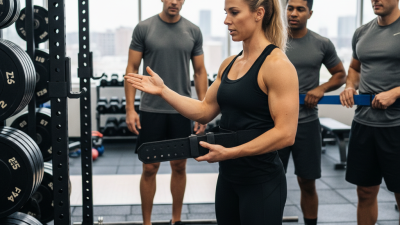
Using a fitness belt can enhance your workout experience. Proper use and maintenance are key to maximizing its benefits. Choose a belt that fits snugly but comfortably. Avoid belts that are too tight, as they can restrict movement. The right fit allows you to focus on your training, rather than adjusting your equipment constantly.
Cleaning your fitness belt is crucial. Wipe it down after each use to prevent odors and bacteria buildup. A simple cloth and mild soap work well. Check for wear and tear regularly. If you notice fraying edges, it's time to consider a replacement. This habit can save you from potential injuries.
Storing your fitness belt properly also matters. Avoid leaving it in damp or hot areas. Instead, find a cool, dry place. This helps maintain its elasticity and lifespan. Reflecting on your routine is important. Think about whether you are using the belt effectively. Adjust your approach as needed for optimal results.