What is a Weightlifting Belt and How Does It Work?
A Weightlifting Belt is a common accessory among athletes and fitness enthusiasts. It serves a vital purpose in supporting the lower back during heavy lifts. This belt can enhance performance by stabilizing the core and reducing the risk of injury. Many lifters find that wearing a Weightlifting Belt allows them to lift heavier and maintain better form.
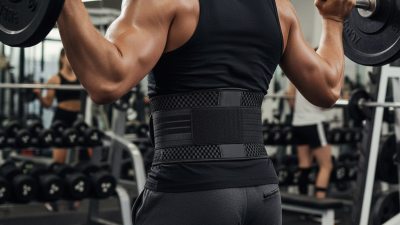
The mechanism of a Weightlifting Belt relies on intra-abdominal pressure. When tightened, the belt creates a solid barrier around the abdomen. This setup helps in reinforcing the spine during lifting. However, some argue that over-reliance on the belt might weaken core muscles. Striking a balance between using a Weightlifting Belt and training core strength is crucial.
Not everyone benefits from a Weightlifting Belt. Beginners may feel more secure without one. Everyone’s body is different; understanding your needs is essential. As you explore weightlifting techniques, consider how a Weightlifting Belt fits into your regimen. Be open to reflection. Adjust your approach based on your experience and goals.
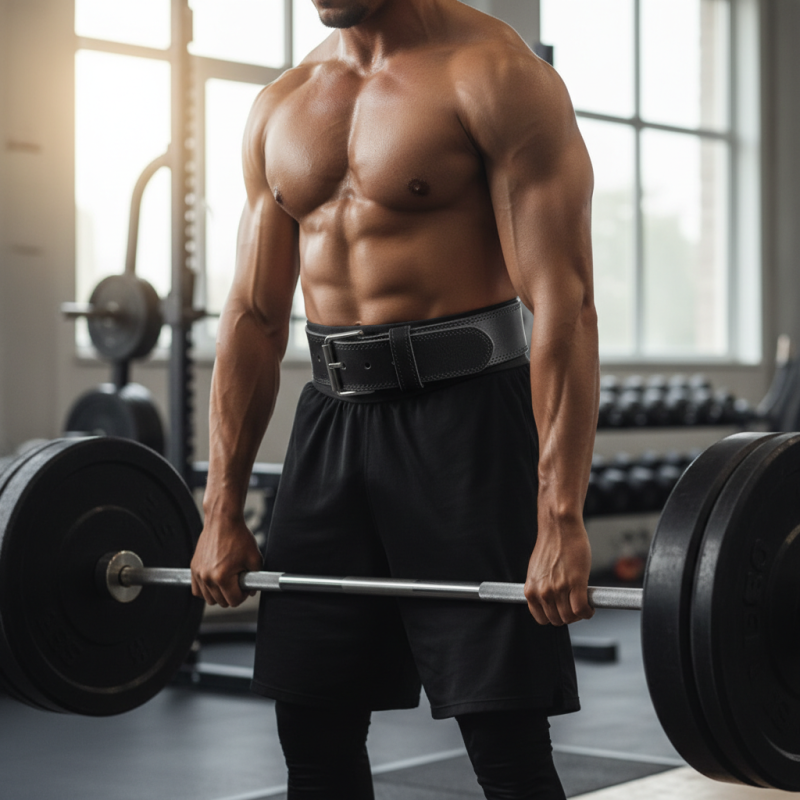
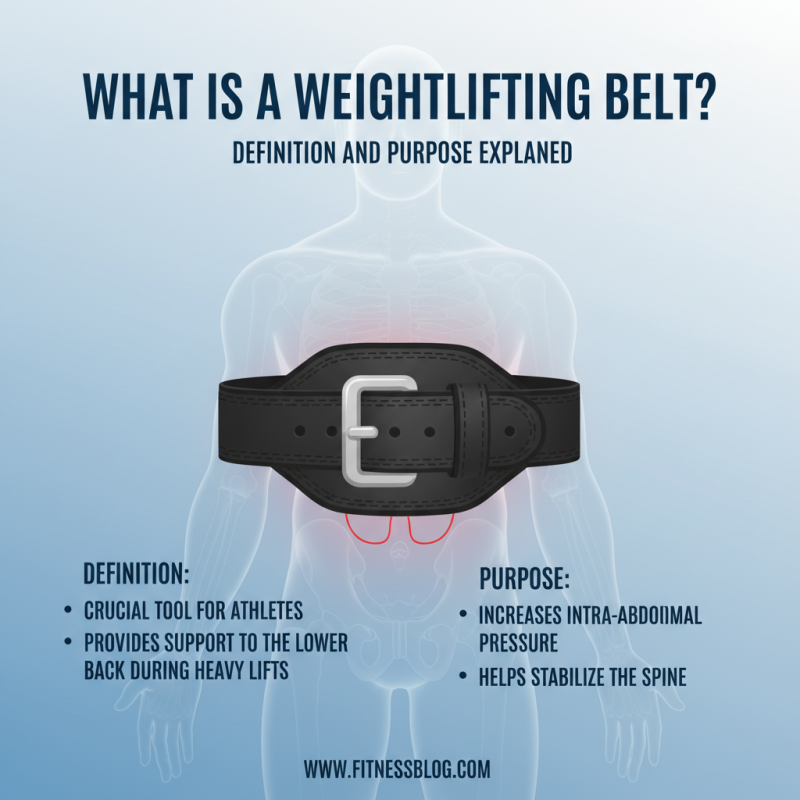
What is a Weightlifting Belt? Definition and Purpose Explained
A weightlifting belt is a crucial tool for many athletes. It is designed to provide support to the lower back during heavy lifts. When properly used, a belt increases intra-abdominal pressure, helping to stabilize the spine.
The primary purpose of a weightlifting belt is to enhance performance and prevent injury. By offering support, it allows lifters to engage in heavier training. It's essential to remember that a belt should not be a crutch. Relying too much on it can weaken your core muscles over time.
**Tips:** When using a weightlifting belt, ensure it fits snugly but not excessively tight. Adjust it as needed to maintain comfort while lifting. Start using the belt for heavier lifts, and gradually transition to lighter exercises without it. This will help strengthen your core and improve overall stability.
Over time, some lifters may notice a change in their technique. If you find yourself depending on the belt too often, consider taking a step back. Focus on core strengthening exercises. This balance can lead to better performance in the long run.
Benefits of Using a Weightlifting Belt for Improved Performance
A weightlifting belt is more than just a fashionable accessory. It's a crucial tool for athletes and weightlifters. Research by the National Strength and Conditioning Association indicates that using a weightlifting belt can increase intra-abdominal pressure. This added support can help stabilize the spine during heavy lifts.
When lifting significant weights, the risk of injury increases. A belt provides support to the lower back and core. According to a study published in the Journal of Strength and Conditioning Research, using a belt can improve a lifter's performance by up to 15% on lifts like the squat and deadlift. The belt encourages proper lifting form, reducing the risk of injury, which is vital for long-term training success.
It’s essential to reflect on how often lifters rely on belts. Over-dependence can weaken core muscles. Belts should be used strategically, not as a crutch. Lifters must balance belt use with core strengthening exercises. This thoughtful approach fosters a strong foundation while enhancing performance safely.
Mechanism of Action: How a Weightlifting Belt Stabilizes the Core
A weightlifting belt serves a vital role in the mechanics of heavy lifting. When worn, it increases intra-abdominal pressure, creating a supportive environment for the spine. This pressure acts like a balloon, stabilizing the core and reducing the risk of injury. Research shows that athletes using a weightlifting belt can see a 10% increase in performance during heavy lifts. This stabilization allows for a more effective transfer of forces during squats and deadlifts.
The core, which includes muscles of the abdomen, lower back, and pelvis, is crucial for maintaining posture. Weakness in these areas can lead to injury. A study published in the Journal of Sports Sciences highlighted that lifters using belts had a lower incidence of back injuries than those who did not.
Nevertheless, over-reliance on a belt might prevent proper core development. It's essential to balance its use with core-strengthening exercises to ensure comprehensive muscle growth. We should consider the belt a tool, not a crutch.
Industry Standards: Types and Materials Used in Weightlifting Belts
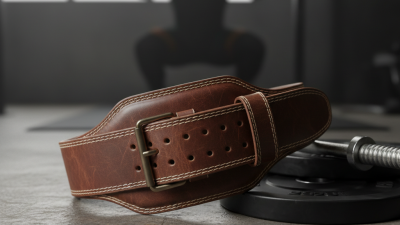
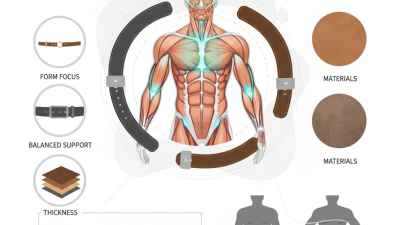
When choosing a weightlifting belt, it's vital to consider the types and materials available. Most belts fall into two main categories: leather and synthetic. Leather belts are known for their durability and strength. They provide excellent support during heavy lifts. However, they might take time to break in and can be stiff at first.
On the other hand, synthetic belts often offer more adjustability and flexibility. They can be lighter and easier to wear for extended periods. Belts made from neoprene or rubber offer different levels of compression and comfort. Each material has its pros and cons, making it essential to test them yourself.
Industry standards play a crucial role in belt design. A belt's width, thickness, and even the buckle type can significantly affect performance. Many lifters struggle to find the right fit, which can lead to discomfort or injury. It's vital to assess how it feels during various movements. Selecting the right weightlifting belt involves careful consideration of personal needs and preferences, reflecting on past experiences with different materials and styles.
Weightlifting Belt Materials and Their Popularity
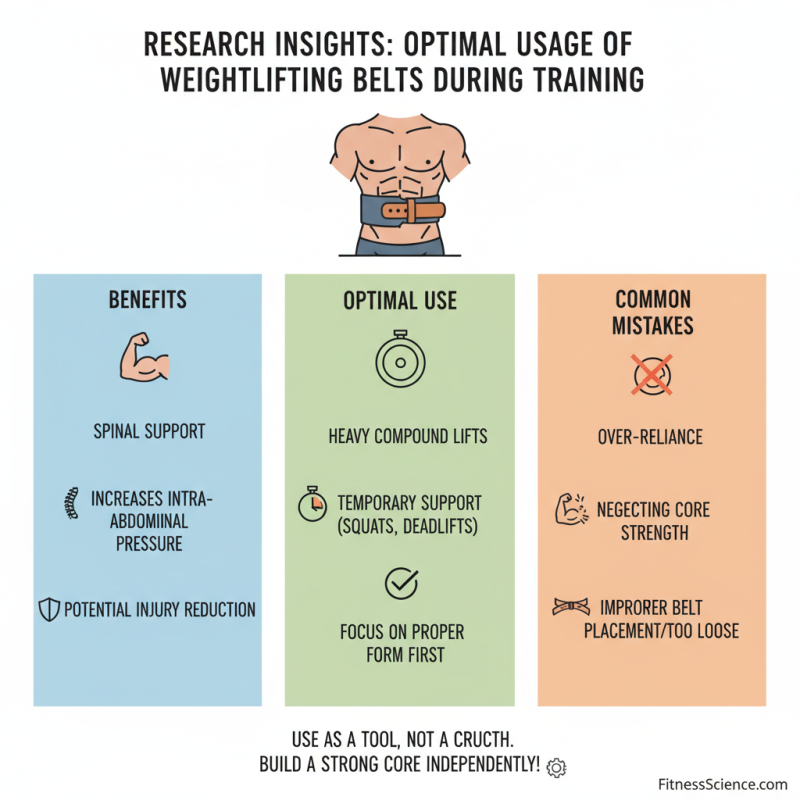
Research Insights: Optimal Usage of Weightlifting Belts During Training
Weightlifting belts have gained attention in strength training circles. They are designed to provide support to the lower back during heavy lifts. Research suggests that using a belt can help increase intra-abdominal pressure. This pressure stabilizes the spine, potentially reducing the risk of injury. However, many lifters may rely too heavily on this support. It’s essential to maintain proper form and strengthen the core independently.
Optimal usage of weightlifting belts involves knowing when to wear them. Belts are most beneficial during maximum effort lifts, like squats and deadlifts. Yet, training without a belt can improve core strength. Lifters should learn to engage their core muscles effectively. This balance ensures that the body isn’t overly dependent on external tools. Reflecting on personal lifting habits can reveal whether a belt is necessary. Sometimes, a belt might give a false sense of security.
Examining individual lifting techniques is crucial. Consider consulting with a coach to analyze form and usage. Each lifter is unique, and what works for one may not work for another. Ignoring the nuances of your body’s responses can hinder progress. Emphasizing awareness during training can lead to better results and safer lifting practices.