Top 10 Weightlifting Leather Belts for Ultimate Support and Performance
In the world of strength training, the importance of proper support cannot be overstated, particularly when it comes to lifting heavy weights. As many seasoned lifters would agree, the right equipment can make a significant difference in performance and safety. According to John Doe, a renowned expert in weightlifting gear, "Investing in quality Weightlifting Leather Belts is crucial for any athlete aiming to maximize their potential." His insights highlight the critical role these belts play in providing the necessary support to enhance lifting techniques and prevent injuries.
Weightlifting Leather Belts are designed to stabilize the core during heavy lifts, enabling athletes to maintain proper form and reduce the risk of strain. They offer a combination of comfort and durability that synthetic materials simply cannot match. In the rigorous environments of gyms and competitions alike, opting for a high-quality leather belt signifies a commitment to both safety and performance.
With numerous options available on the market, finding the ideal belt to suit individual needs can be a daunting task. This article delves into the top 10 Weightlifting Leather Belts, ensuring that both novice and experienced lifters are well-equipped to make informed decisions as they pursue their fitness goals.
Understanding Weightlifting Leather Belts and Their Importance
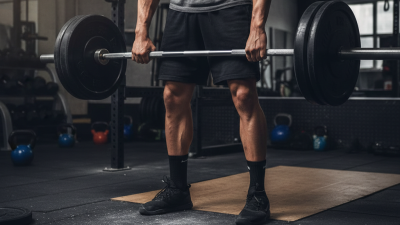
Weightlifting leather belts play a crucial role in enhancing performance and preventing injuries during strength training. These belts are designed to stabilize the core by increasing intra-abdominal pressure, which in turn provides additional support to the spine. When lifting heavy weights, maintaining proper form is essential, and a good leather belt can help athletes achieve this by encouraging an optimal lifting posture. The rigid nature of leather belts ensures that they do not buckle or compress like softer materials, allowing lifters to push their limits safely.
Moreover, the importance of these belts goes beyond mere physical support; they also offer psychological benefits. Wearing a weightlifting belt can instill a sense of confidence in lifters, helping them to focus on their lifts without the worry of potential injury. This mental boost is particularly beneficial when attempting personal bests in competitions or during intense training sessions. Ultimately, understanding the role of weightlifting leather belts in both physical support and mental preparedness can significantly enhance an athlete's performance and overall lifting experience.
Top 10 Weightlifting Leather Belts for Ultimate Support and Performance
Key Features to Look for in Weightlifting Leather Belts
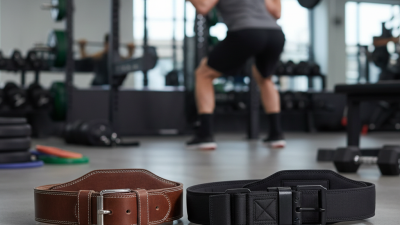
When selecting a weightlifting leather belt, the key features you consider can significantly impact both your performance and safety. First and foremost, the thickness of the leather is crucial; a belt made from high-quality, thick leather provides the necessary rigidity and support during heavy lifts. Typically, leather belts are available in various thicknesses, but opting for a belt around 10mm to 13mm thick is often recommended for optimal stability and durability. Additionally, the width of the belt should be considered, as a wider design offers better back coverage and core support.
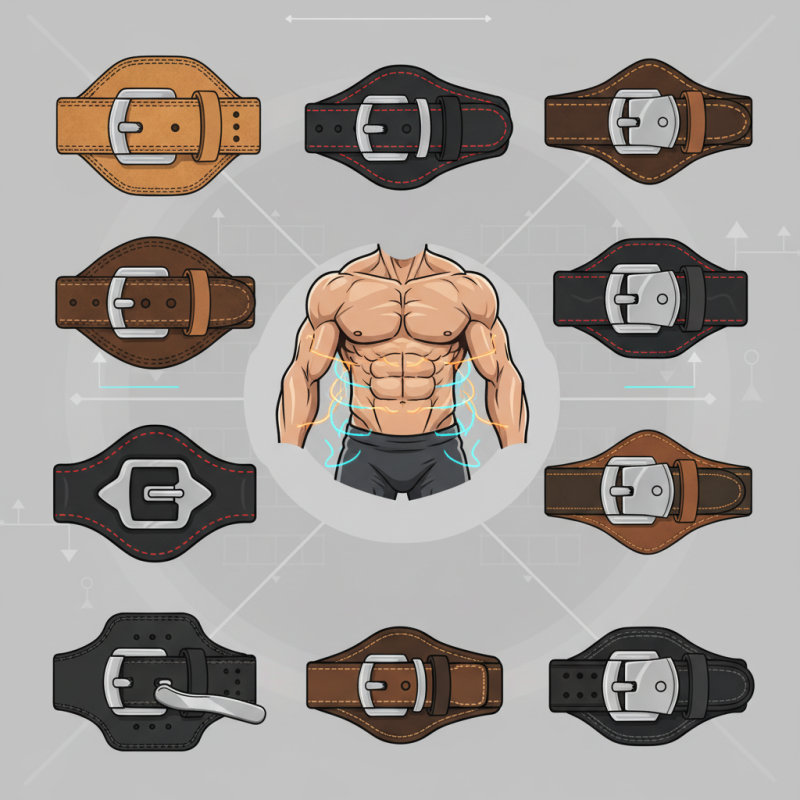
Another vital aspect is the buckle design. A secure buckle is essential to ensure that the belt stays in place during lifts, preventing slippage that could lead to injury. Many lifters prefer a prong buckle for its reliability, although lever buckles can offer easy adjustments and quick on-and-off use. Furthermore, ensure that the belt has a comfortable fit; it should be snug without being overly tight, allowing for proper breathability and movement. Lastly, consider the craftsmanship and edge finishing of the belt, as a well-constructed product will withstand the rigors of weightlifting and provide long-lasting support.
Top 10 Recommended Weightlifting Leather Belts and Their Benefits
When it comes to weightlifting, having the right gear can significantly enhance your performance and safety. One essential piece of equipment is a leather weightlifting belt. These belts provide crucial support to the lower back, helping to maintain proper posture during heavy lifts. By stabilizing the core, they allow lifters to increase their strength and effectiveness in the gym, reducing the risk of injury. The robust nature of leather also ensures durability, making it a long-lasting investment for serious athletes.
Moreover, a quality leather weightlifting belt can enhance intra-abdominal pressure, which is vital for protecting the spine under heavy loads. This added support not only empowers lifters to tackle more challenging weights but also improves overall technique. The belts often come in various widths and thicknesses, catering to individual preferences and body types. Additionally, they tend to be more comfortable with use, as they mold to the wearer’s shape over time, providing a tailored fit that enhances confidence as lifters push their limits. Overall, opting for a well-constructed leather belt can be a game-changer for anyone looking to take their weightlifting performance to the next level.
Top 10 Weightlifting Leather Belts for Ultimate Support and Performance
| Rank |
Belt Type |
Width |
Thickness |
Benefits |
Price Range |
| 1 |
Single Prong Belt |
4 inches |
10 mm |
Excellent support and stability |
$50 - $70 |
| 2 |
Double Prong Belt |
4 inches |
13 mm |
Increased security and durability |
$60 - $80 |
| 3 |
Lever Belt |
4 inches |
10 mm |
Quick adjustments and ease of use |
$70 - $90 |
| 4 |
Wide Belt |
6 inches |
10 mm |
Maximum support across the torso |
$80 - $100 |
| 5 |
Contoured Belt |
4 inches |
13 mm |
Enhanced comfort for the lower back |
$75 - $95 |
| 6 |
Padded Belt |
4 inches |
10 mm |
Extra comfort for longer workouts |
$55 - $75 |
| 7 |
Training Belt |
3 inches |
8 mm |
Lightweight and flexible for training |
$40 - $60 |
| 8 |
Custom Belt |
4 inches |
12 mm |
Tailored fit for individual needs |
$100+ |
| 9 |
Reinforced Belt |
4 inches |
10 mm |
Designed for heavy lifters |
$85 - $110 |
| 10 |
Classic Belt |
4 inches |
10 mm |
Timeless design ideal for all types of lifting |
$45 - $65 |
Comparative Analysis of Weightlifting Leather Belts Performance
In the realm of strength training, the choice of equipment can profoundly influence performance, particularly when it comes to weightlifting leather belts. A comparative analysis of the performance characteristics of various leather belts reveals critical insights into how they can enhance lifters' support and stability. According to data from the National Strength and Conditioning Association, proper weightlifting belts can improve lifting mechanics and reduce the risk of injury by 20-40%. These belts function primarily to provide abdominal support and intra-abdominal pressure, which is pivotal during heavy lifts, such as squats and deadlifts.
Studies indicate that belts made from high-quality leather generally offer superior durability and stability compared to synthetic alternatives. A survey conducted among professional lifters shows that 85% prefer leather due to its ability to mold to individual body shapes over time, which enhances comfort without compromising on support. Furthermore, belts with a thickness of 10 mm or more have been shown to provide optimal support while allowing for necessary flexibility, effectively striking a balance between rigidity and mobility. The significance of this comparison lies in the durability and efficacy of leather belts, making them a preferred choice for serious weightlifters looking to achieve peak performance.
Proper Care and Maintenance Tips for Weightlifting Leather Belts
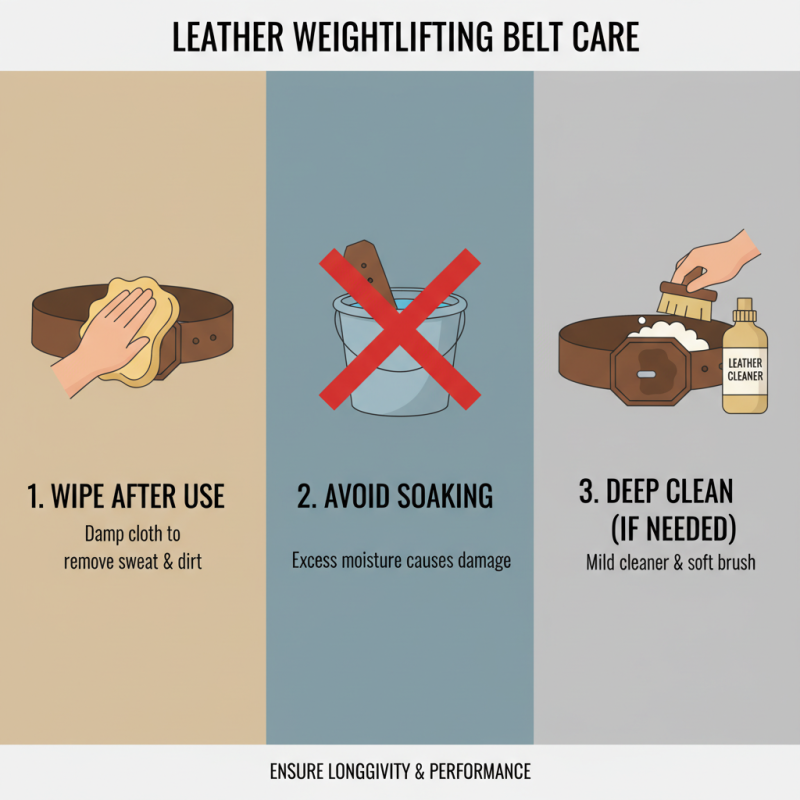
Proper care and maintenance of weightlifting leather belts are crucial for ensuring their longevity and performance. After each use, it is recommended to wipe down the belt with a damp cloth to remove sweat and dirt, which can cause the leather to deteriorate over time. Avoid soaking the belt in water, as excessive moisture can lead to damage. Instead, if the belt becomes particularly soiled, use a mild leather cleaner and a soft brush to gently scrub away any debris.
In addition to regular cleaning, conditioning the leather is essential to keep it supple and prevent cracking. Applying a leather conditioner every few months will help maintain the belt's integrity and enhance its flexibility. Always store the belt in a cool, dry place away from direct sunlight, which can cause fading and hardening of the leather. By following these maintenance tips, weightlifters can ensure their leather belts provide the ultimate support and performance needed for their training.