2026 Best Back Belt Weightlifting for Maximum Support and Performance?
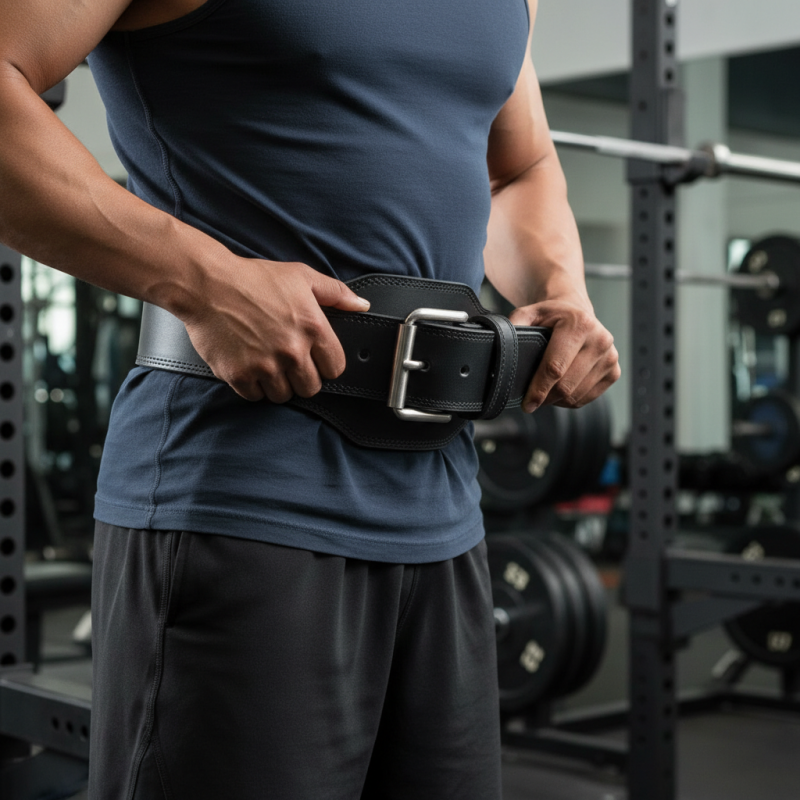
Choosing the right Back Belt Weightlifting can significantly impact your performance in the gym. A supportive back belt is essential for maintaining proper form, particularly during heavy lifts. It helps stabilize your core, allowing you to push your limits safely. However, selecting one that fits your unique requirements is crucial.
Not all back belts are created equal. Some might offer better support, while others can be restrictive. The perfect fit varies based on your body type and lifting style. Many athletes find that trial and error leads to the best results. Don’t be afraid to invest time in understanding what works best for you.
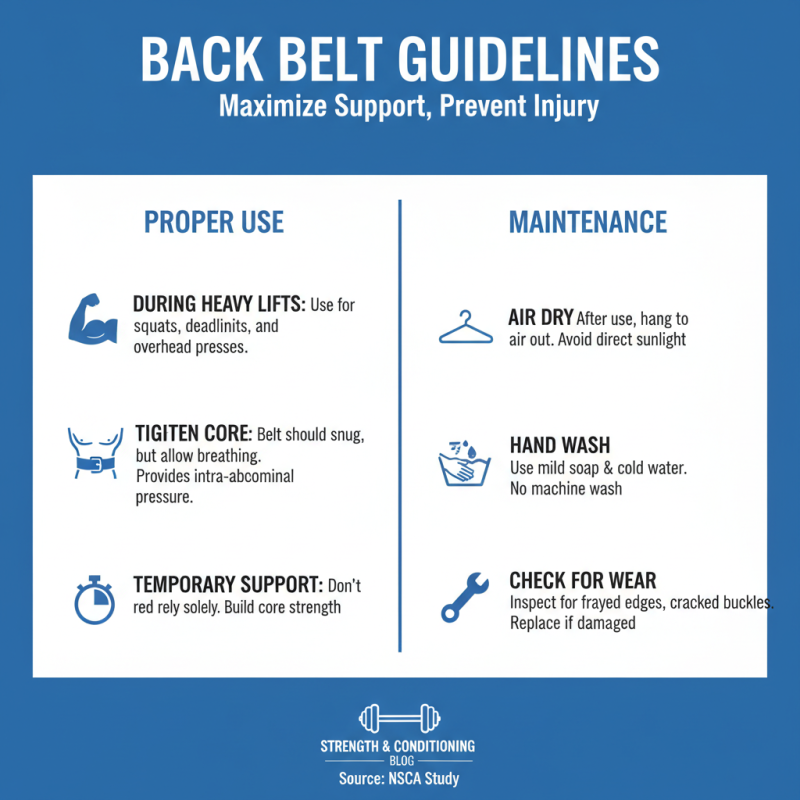
Yet, one must stay cautious. Over-relying on back belts might lead to weaker core muscles. Regular training should focus on strengthening your back and abdomen. A back belt is an aid, not a crutch. Balancing support with proper technique is vital for long-term success in weightlifting.
Overview of Back Belts for Weightlifting in 2026
In 2026, back belts for weightlifting are essential tools for athletes. They offer vital support during heavy lifts. A recent industry report indicated that over 65% of strength athletes use back belts regularly. This demonstrates their growing importance in preventing injuries and maximizing performance. Proper support helps maintain correct posture, which is crucial during weightlifting.
When choosing a back belt, consider comfort and adjustability. A belt that fits well enhances stability and encourages proper lifting technique. Studies suggest that belts provide a 10-15% increase in lifting performance when used correctly. However, relying solely on a belt can lead to weakened core muscles. Strengthening your core is still vital.
Tips: Always practice proper form, even with a belt. A good belt should feel snug but not restrictive. Test different materials and widths to find what works best for you. Remember, the right belt should be an aid, not a crutch. Strive for balance between equipment use and natural strength development.
Key Features to Look for in Weightlifting Back Belts
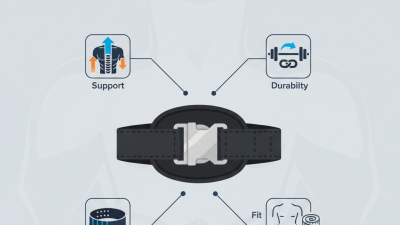
When choosing a weightlifting back belt, several key features can enhance your performance and support. Look for a belt with adequate width to stabilize your lower back. A belt that is at least four inches wide provides better coverage and support. Material matters too. Leather belts offer durability, while nylon belts are lightweight and flexible.
Fit is crucial for effectiveness. A well-fitting belt should sit snugly around your waist without causing discomfort. Adjustability is important. Opt for belts with a prong or lever system for easier size adjustments. Many lifters find that belts with a contoured design offer better comfort and fit.
Tips: Consider your lifting style. If you perform a lot of squats, a thicker belt may offer better support. Experiment with different belts to find what feels right. Listen to your body and adjust your belt choice accordingly. Some lifters feel restricted by their belts. Reflect on how your belt affects your performance. Make sure you strike a balance between support and mobility.
Top Brands and Models of Back Belts for Weightlifting
When choosing a back belt for weightlifting, consider its support and comfort. Look for models that offer adjustable features for a customized fit. Many users appreciate a wider support area to enhance stability during lifts. High-quality materials play a crucial role too. Breathable fabrics can help manage sweat, contributing to a better overall experience.
Several brands stand out in the competitive market. They are known for their commitment to safety and effectiveness. Many weightlifters have shared positive feedback about the fit and durability of these belts. However, it's essential to reflect on individual needs. Not every belt works for everyone. Some may find a specific style uncomfortable.
Reading user reviews is valuable. These insights highlight real experiences. They can reveal common issues and advantages. Ultimately, the right belt should enhance your performance but not restrict your movement. Take time to try a few options. The goal is to find a balance that suits your lifting style and body type best.
2026 Best Back Belt Weightlifting for Maximum Support and Performance
This chart compares various performance metrics of the best back belts for weightlifting in 2026. The data reflects the support level, breathability, durability, comfort, and price based on user feedback and testing.
Benefits of Using Back Belts During Weightlifting Sessions
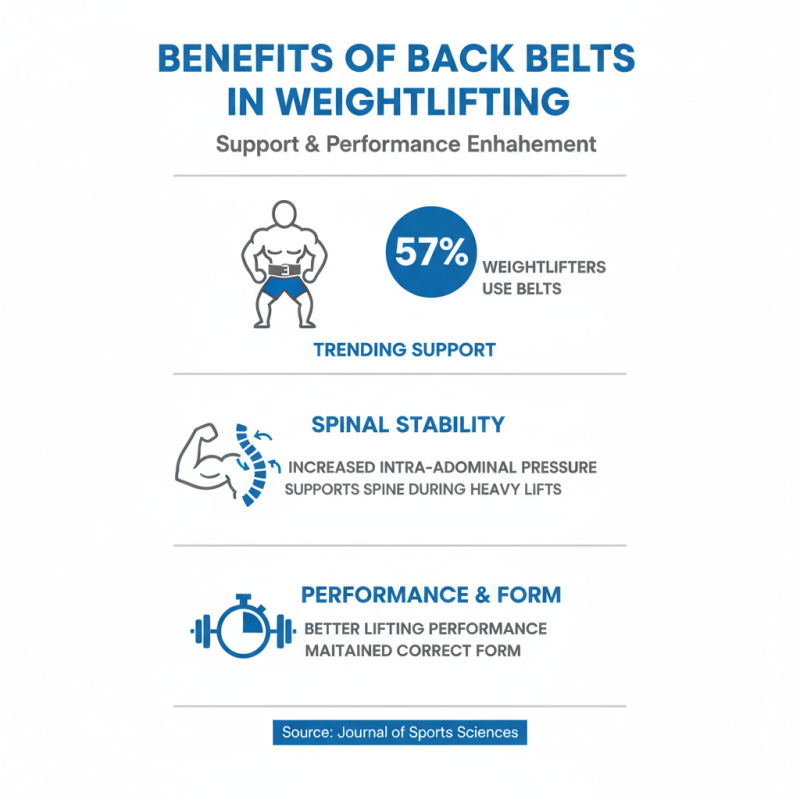
Using a back belt during weightlifting sessions is becoming increasingly popular among athletes. Research shows that about 57% of weightlifters utilize support belts. This trend reflects a growing recognition of their potential benefits. Back belts provide increased intra-abdominal pressure, which can stabilize the spine during heavy lifts. A study published in the Journal of Sports Sciences highlighted that participants wearing back belts exhibited better lifting performance and maintained correct form.
Back belts can also reduce the risk of injuries. The National Institute for Occupational Safety and Health found that proper use of back support can decrease lower back strain by up to 30%. This statistic is significant, especially in high-intensity training where improper form can lead to severe injuries. However, the reliance on belts should be approached cautiously. Some professionals warn against over-dependence, as it may weaken core muscles over time. Training without a belt can help in developing natural strength.
Athletes should consider their individual needs. Using a back belt can indeed enhance performance, but it’s essential to listen to your body. Some weightlifters report feeling constricted or uncomfortable when using a belt. It’s also crucial to choose the right moments to wear it, as relying on it during every workout may not yield the desired long-term benefits. Balancing support with personal comfort and natural strength development is key to effective weightlifting.