Best Female Weightlifting Belts for Powerful Performance?
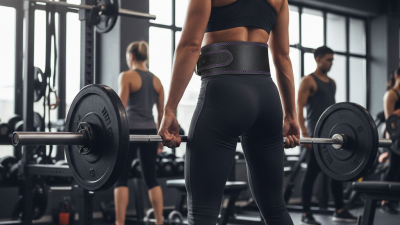
When it comes to serious weightlifting, a high-quality Female Weightlifting Belt is essential. Expert Jessica Harper, a renowned fitness coach, emphasizes, "A great belt empowers women to lift heavier while refining their form." This reflects the growing recognition of the unique needs of female athletes in strength training.
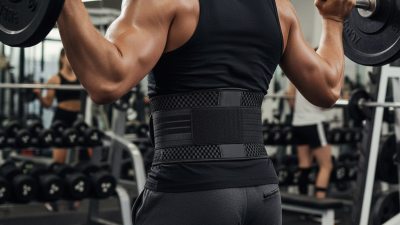
Choosing the right Female Weightlifting Belt can significantly impact performance. It provides support to critical areas like the lower back and core. Many belts prioritize comfort and durability, yet not all options meet these standards. Women often struggle to find belts that fit properly and effectively during intense workouts.
The journey to finding the ideal Female Weightlifting Belt is personal and can be challenging. Some belts may feel too stiff, while others might not offer enough support. It’s crucial to explore various styles and materials. Understanding these factors will help athletes make informed choices that enhance their lifting experiences.
Key Features to Look for in Female Weightlifting Belts
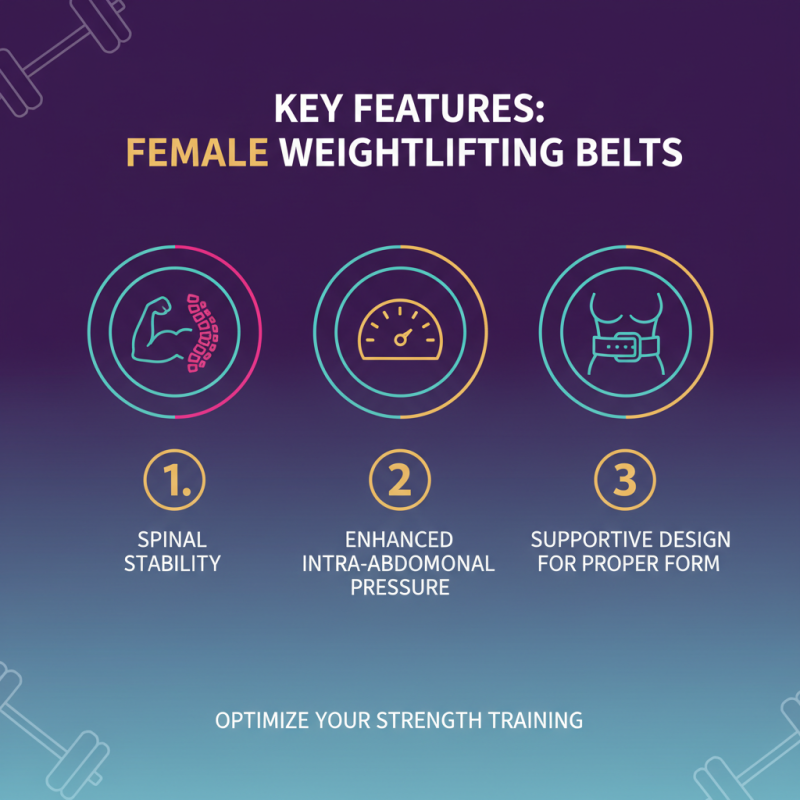
When searching for the best female weightlifting belts, several key features stand out. A supportive belt is essential for maintaining proper form during heavy lifts. Research indicates that a belt can enhance intra-abdominal pressure, leading to better spinal stability. This stability is crucial as women often face unique physical demands in strength training.
Comfort is another significant factor. A well-fitted belt should not dig into the skin or restrict movement. Studies show that discomfort can lead to poor performance and increased injury risk. Choosing the right width and material can enhance comfort levels. Look for belts with a soft lining and adjustable straps for a personalized fit.
Weightlifting belts often feature specific designs tailored for women. These may include a narrower waist section to accommodate hip shape. It’s vital to select a belt with sufficient stiffness; a softer belt may not provide adequate support during heavy lifts. Awareness of individual needs and preferences is key to finding the right belt. Balancing support with comfort is an ongoing journey for many athletes.
Types of Weightlifting Belts Suitable for Women
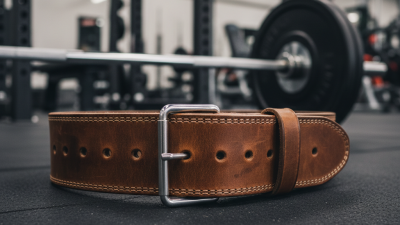
When it comes to weightlifting, choosing the right belt is crucial, especially for women. Several types of weightlifting belts cater to different needs and preferences. The most common types include leather belts, nylon belts, and Velcro belts. Each material offers unique benefits. Leather belts provide strong support and durability, ideal for heavy lifting. However, they can be stiff and require time to break in.
Nylon belts are flexible and often lighter, making them comfortable for various exercises. They offer good support while allowing freedom of movement. Velcro belts, on the other hand, are adjustable and simple to wear. They appeal to those who prioritize convenience over extreme support. Though they may not provide the same level of rigidity, they're suitable for moderate lifting sessions.
Understanding your lifting goals is key. Beginners might prefer a softer belt for comfort, while advanced lifters may need a more rigid option for heavy squats or deadlifts. It's important to reflect on your training style and personal preferences. A belt should enhance performance, not restrict movement. Consider testing different types to determine which feels best during your workouts.
Top Brands Known for Quality Female Weightlifting Belts
When it comes to female weightlifting belts, quality is essential. Numerous studies indicate that a supportive belt can enhance performance by improving core stability and technique. A 2020 report by the National Strength and Conditioning Association highlighted that proper belt use can lead to a 10-15% increase in lifting capacity. It’s crucial to find a belt specifically designed for women. These belts often feature a more snug fit and tailored padding, ensuring comfort during intense sessions.
Top brands in the industry focus on durable materials such as leather or reinforced fabric. This is not just about aesthetics; the material impacts performance and safety. Research shows that belts with adequate support can prevent injuries, which is a critical consideration. Many women report slower recovery times when using lower quality belts. Quality belts often incorporate unique designs, like contoured shapes that align with a woman's physique, allowing for better movement.
While the market has exceptional options, not every product meets high standards. Reviews often reflect dissatisfaction due to sizing issues or durability concerns. It’s vital to select a belt that suits your specific lifting style, experience, and body structure. Take the time to research and consider testimonials from fellow lifters. A thoughtful approach can lead to better performance and safety in your weightlifting journey.
Best Female Weightlifting Belts for Powerful Performance
| Model |
Material |
Width |
Size Options |
Weight Capacity |
Price Range |
| Model A1 |
Leather |
4 inches |
S, M, L, XL |
300 lbs |
$40 - $60 |
| Model B2 |
Nylon |
3 inches |
XS, S, M |
250 lbs |
$30 - $50 |
| Model C3 |
Suede |
6 inches |
M, L |
350 lbs |
$50 - $80 |
| Model D4 |
Canvas |
5 inches |
S, M |
280 lbs |
$25 - $45 |
User Reviews and Ratings of Popular Female Weightlifting Belts
When choosing weightlifting belts, female lifters often prioritize comfort and support. Recent studies indicate that a well-fitted weightlifting belt can enhance performance by up to 15%. Many users highlight the importance of a belt that fits snugly without restricting movement.
User reviews consistently mention durability as a key factor. Lifters need a belt that withstands heavy usage. Weightlifting belts made of high-quality materials provide the necessary support without compromising flexibility. Some reviews note that while thicker belts offer better support, they can also feel cumbersome. A balance between thickness and comfort is essential.
Ratings show that many female lifters prefer belts with adjustable features. These allow for personalized fits, accommodating body changes over time. However, not all belts meet these expectations. Some users express frustration over belts that wear out quickly or lose their shape. It's crucial for manufacturers to address these concerns based on real user experiences. Investing time in user feedback can lead to better products in the future.
Best Female Weightlifting Belts for Powerful Performance
How to Properly Use and Maintain Your Weightlifting Belt
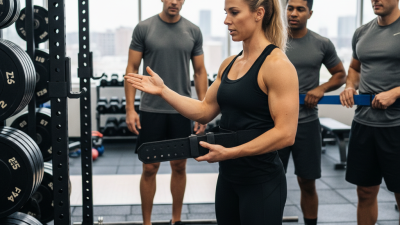
Using a weightlifting belt correctly can greatly enhance performance and prevent injuries. A well-fitted belt supports the core and stabilizes the spine, which is crucial during heavy lifts. Research indicates that lifters can increase their maximum lift by 10-15% with proper belt usage. The belt’s tightness should be adjusted according to personal comfort, ensuring it doesn’t impede breathing or movement.
Maintaining your weightlifting belt is equally vital. After each workout, clean it to remove sweat and grime. A damp cloth with mild soap works best for most materials. Avoid submerging the belt in water, as it can compromise durability. Always store the belt flat in a cool, dry place. Proper care can extend the lifespan of your belt significantly.
While belts can provide support, over-reliance may lead to weakened core muscles. Reinforcing your core through other exercises is essential. Balance is key; use the belt as a tool, not a crutch. Listen to your body and adjust your training regimen accordingly.