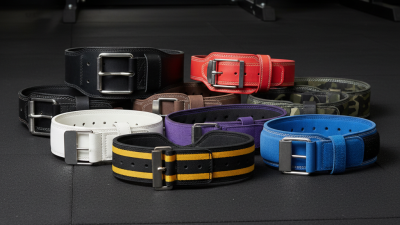
Best Leather Weightlifting Belts for Ultimate Performance?
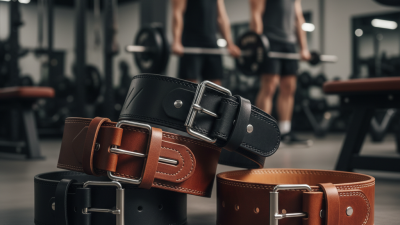
In the quest for maximum performance in weightlifting, choosing the right equipment is crucial. Leather weightlifting belts are known for their durability and support. According to a report by the National Strength and Conditioning Association (NSCA), using the right belt can enhance intra-abdominal pressure, aiding in lifting heavier weights safely. This stability reduces the risk of injury, particularly for athletes pushing their limits.
Despite their advantages, it's important to choose wisely. Not all leather weightlifting belts are made equally. A study published in the Journal of Strength and Conditioning Research emphasizes the importance of fit and thickness. An improperly sized belt can hinder performance rather than enhancing it. Many lifters overlook the need for proper adjustments, leading to discomfort during intense sessions.
The leather weightlifting belt market has grown significantly. A recent survey showed that 75% of serious athletes use some form of support during training. However, not every belt on the market offers the same level of reliability and comfort. Lifters must consider their techniques and training regimens to select the best option for their needs. Balancing quality with affordability remains a challenge for many.
Importance of Weightlifting Belts in Strength Training
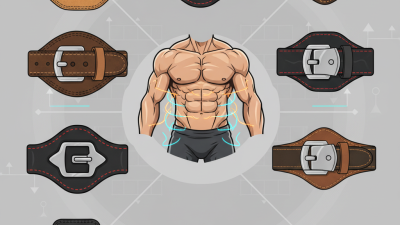
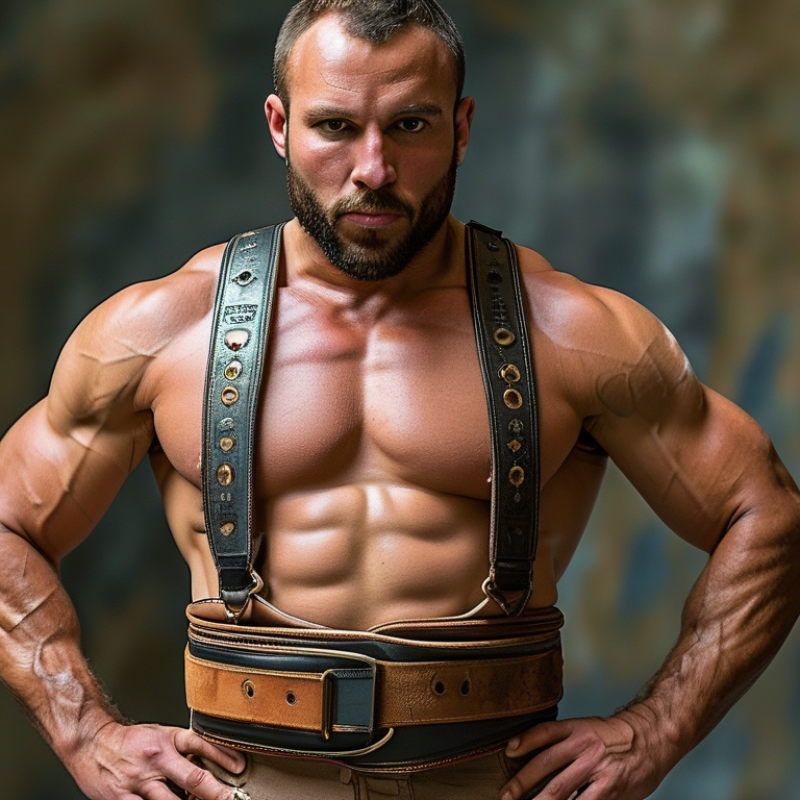
Weightlifting belts play a crucial role in strength training. They provide essential support to the lower back during heavy lifts. This support helps stabilize the core, allowing lifters to maintain proper form. A well-fitted belt can enhance performance by allowing you to lift heavier weights safely. However, reliance on a belt can lead to weakness in core muscles if not balanced with proper training.
When using a weightlifting belt, it’s important to follow key tips. Start with a snug fit, ensuring it does not restrict your breathing. Set the belt placement around your waist, positioned just above your hip bones. Focus on engaging your core before lifting, using the belt as additional support. Regularly reassess your core strength without the belt to ensure muscle development remains balanced.
Don't forget that overusing the belt might mask weaknesses in your technique. Take time to lift without it to enhance your natural support system. This way, you can build strength effectively. Remember to combine belt usage with other exercises targeting the core for holistic development.
Key Features to Look for in Leather Weightlifting Belts
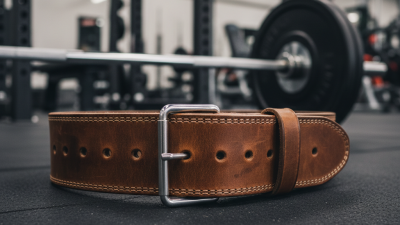
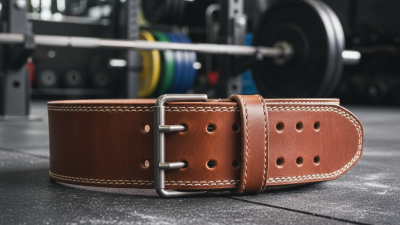
When selecting a leather weightlifting belt, key features play a crucial role in enhancing performance. Look for belts that are made from genuine leather. This material provides durability and support. A well-constructed belt should be thick, around 10mm to 13mm, to withstand heavy lifting. The thickness also ensures minimal wear and tear over time.
Another important aspect is the buckle type. Steel buckles are preferred for their strength and security. They keep the belt in place during intense workouts. Additionally, consider the width of the belt. A wider belt gives better coverage for the abdomen, distributing the pressure evenly. Make sure the belt has a comfortable fit; it should be snug but not restrict breathing.
It’s wise to check the stitching quality as well. Double stitching typically indicates better durability. Some belts may have tighter holes for adjustment, which allows for a customized fit. While aesthetics matter, functionality should always come first. Remember, not every belt is perfect for everyone. Testing different styles might lead to insights about your specific needs. This journey of finding the ideal weightlifting belt can reveal much about your training preferences and comfort.
Best Leather Weightlifting Belts for Ultimate Performance - Key Features to Look for in Leather Weightlifting Belts
| Feature |
Description |
Importance |
| Material Quality |
High-grade leather for durability and support |
Essential for long-lasting performance |
| Width |
Typically 4 to 6 inches wide for effective support |
Affects stability and comfort during lifts |
| Buckle Type |
Single or double prong for secure fastening |
Crucial for preventing belt loosening |
| Adjustability |
Easy to adjust for various body shapes |
Important for customizing fit and comfort |
| Padding |
Some belts come with extra padding for comfort |
Enhances level of comfort while lifting |
| Weight Rating |
Support for specific weight limits for safety |
Vital for ensuring user safety |
| Design |
Different designs for varying support levels |
Affects performance and preference |
Top Brands for High-Performance Leather Weightlifting Belts
When it comes to high-performance leather weightlifting belts, several brands emerge as leaders in the industry. Research indicates that a well-constructed leather belt can enhance lifting efficiency by up to 15%. This improvement is largely due to the increased intra-abdominal pressure that a sturdy belt provides. For serious lifters, these belts serve not only as support but also as a critical tool for maximizing strength.
Professional lifters often recommend belts made from top-quality, thick leather. This material offers durability and stability, which are essential for heavy lifts. Studies show that belts with a width of 4 inches provide optimal support for the core without restricting movement. Many athletes find that belts with a tapered design also provide excellent support while allowing flexibility during complex lifts.
However, it's important to note that not all belts are created equal. Lifters should be wary of mass-produced options that may not stand up to rigorous use. The right belt often requires a personal fit, which can take time to perfect. Achieving this balance between comfort and support is crucial for any lifter aiming to push their limits effectively.
Comparative Analysis of Popular Leather Weightlifting Belts
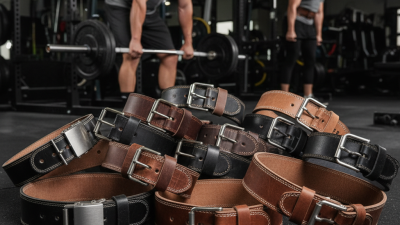
When selecting a leather weightlifting belt, comfort and support are crucial. A well-constructed belt should provide adequate posture support during heavy lifts. The right thickness can enhance stability while ensuring flexibility. Many users struggle to find the balance between firmness and comfort, often opting for thicker belts that can feel restrictive.
The leather type matters too. Full-grain leather is often more durable and improves with age. However, some belts made from split leather may offer a lighter feel, which can be misleading. Users frequently note the adjustment process—finding the right fit is essential. A belt that is too loose will not provide the necessary support, while one that is too tight can cause discomfort.
Consider the design features as well. Some belts have more pronounced padding, which can enhance comfort during prolonged workouts. Others may lack this feature but offer better support during heavy lifts. It is important to reflect on personal lifting style and needs. An initial investment might feel substantial, but the right belt can significantly improve performance in the long run.
Best Leather Weightlifting Belts for Ultimate Performance
Maintenance Tips for Prolonging the Life of Leather Weightlifting Belts
Leather weightlifting belts are essential for serious lifters, offering
support and stability during intense workouts. Proper maintenance is crucial for extending their lifespan and ensuring optimal
performance. According to industry experts, a well-maintained leather belt can last up to five years, significantly
longer than synthetic alternatives.
To keep your leather belt in top shape, regular cleaning is essential. Use a damp cloth to wipe off sweat and dust
after every use. For deeper cleaning, a gentle leather cleaner can be applied sparingly. Remember to avoid harsh chemicals; they can damage the leather.
Conditioning the belt every few months helps maintain its flexibility, preventing cracks and stiffness. Industry reports indicate that belts conditioned
quarterly show a marked decrease in wear and retain support over time.
Storing your belt properly is just as important. Avoid folding it to prevent creases. Hang it on a dedicated hook or store it flat. This simple step can
prolong the belt's life considerably. Lifters often overlook these aspects in their routine, leading to premature wear. By reflecting on these practices,
lifters can enhance their gear’s durability and performance.